English
 Español
 中文简体
中文简体
Home / News / Industry News / How to Choose the Right Class H Loudspeaker Amplifier for Your Audio System?
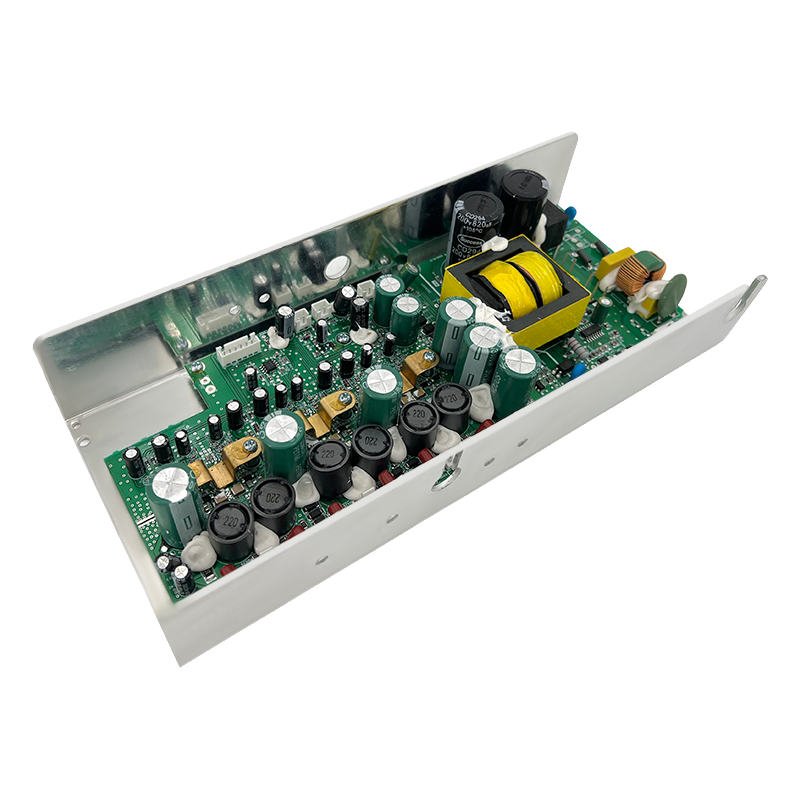
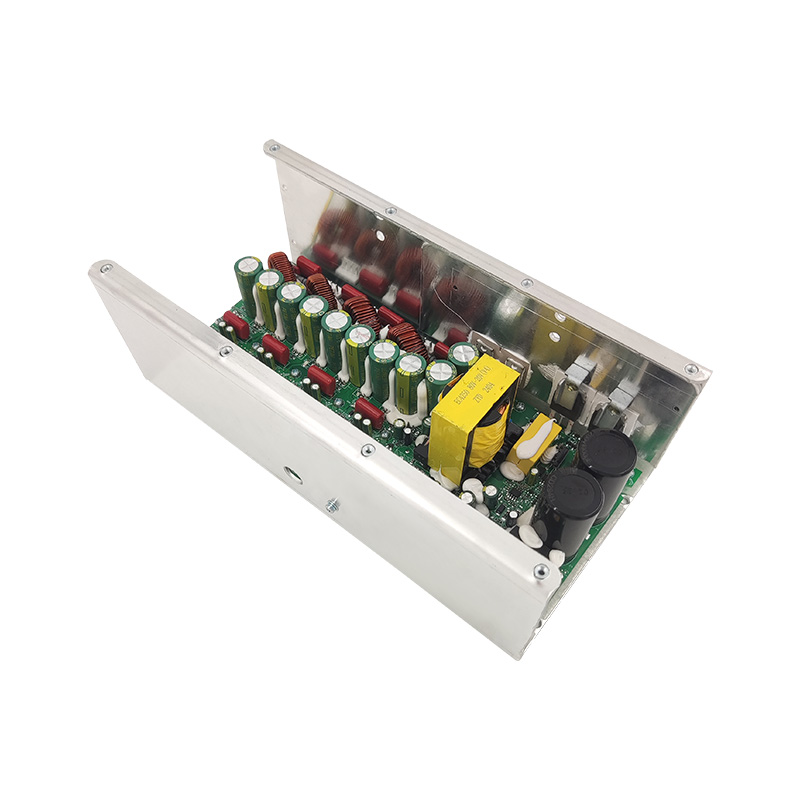
In an audio system, the loudspeaker amplifier is one of the core components, directly affecting sound quality, power output, and system energy efficiency. With technological advancements, Class H loudspeaker amplifiers have gradually become the preferred choice for many audio enthusiasts and professionals. Class H amplifiers are widely used in various audio systems due to their excellent energy efficiency, high-quality audio output, and low power consumption.
However, choosing a Class H loudspeaker amplifier that suits your audio system is not easy and requires considering multiple factors, such as power requirements, sound quality requirements, load impedance, and budget.
This article will provide you with a comprehensive guide on how to choose the right Class H loudspeaker amplifier for your audio system.
1. What is a Class H Loudspeaker Amplifier?
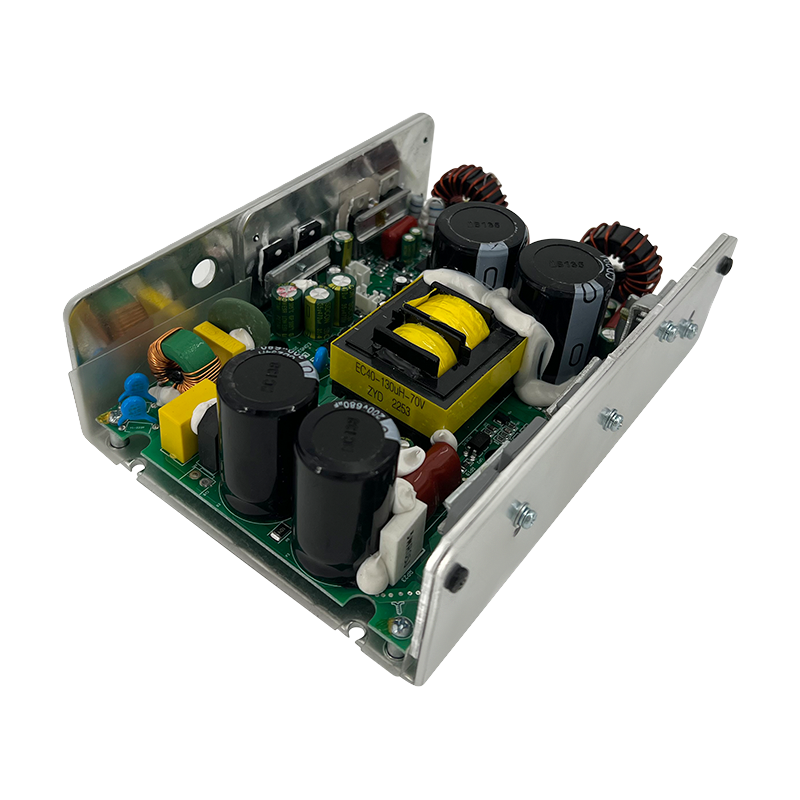
A Class H loudspeaker amplifier is a highly efficient audio amplifier that strikes a balance between traditional Class AB and Class D amplifiers. Class H amplifiers improve efficiency by using multiple operating modes in the output stage. At low power output, Class H amplifiers are similar to Class AB amplifiers, but at high power output, they adopt a working method similar to Class D amplifiers, thereby reducing energy loss and heat generation.
The main advantages of Class H amplifiers include:
High efficiency: Higher power efficiency than Class AB amplifiers, effectively reducing energy waste.
Low heat generation: Due to high efficiency, Class H amplifiers control heat more effectively than traditional Class AB amplifiers.
High-quality sound: Although using efficient digital technology, Class H amplifiers can still provide sound quality performance close to Class AB amplifiers.
2. Factors to Consider When Choosing a Class H Loudspeaker Amplifier
When choosing a Class H loudspeaker amplifier for your audio system, you need to consider the following important factors:
(1) Power Requirements
Choosing the right amplifier for your system should first be determined by your power requirements. The power output of a Class H amplifier should generally match the power requirements of the loudspeakers. Too much power will lead to waste and overheating; insufficient power may not adequately drive the speakers, resulting in sound distortion.
Recommendation:
Determine the rated power and maximum power requirements of your loudspeakers. Choose a power output slightly higher than the speaker's rated power to ensure the amplifier can easily drive the speakers without overloading.
(2) Load Impedance
Load impedance is an important parameter between the speaker and the amplifier, usually measured in ohms (Ω). Common speaker impedances are 4Ω, 6Ω, and 8Ω. Class H amplifiers need to match the speaker's impedance to ensure stable operation and optimal audio performance.
Recommendation:
Understand your speaker's rated impedance and choose an amplifier that matches its impedance.
Ensure the amplifier can handle different impedance loads to work in different audio configurations.
(3) Sound Quality Requirements
While Class H amplifiers offer excellent efficiency, their sound quality may not be as pure as Class AB amplifiers, especially at low power output. Therefore, when choosing a Class H amplifier, you need to balance power efficiency and sound quality requirements.
Recommendation:
If you pursue the ultimate sound quality, especially at low power, you may need to consider Class AB or Class A amplifiers.
If you are more concerned with energy efficiency and high-power applications, a Class H amplifier is a more suitable choice.
(4) Thermal Management
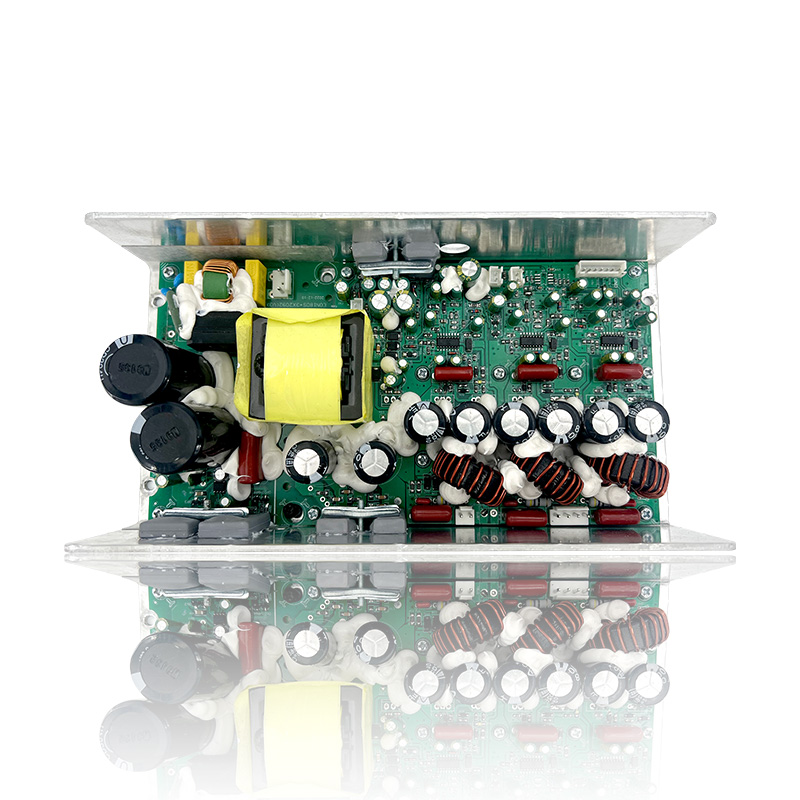
One significant advantage of Class H amplifiers is low heat generation; however, they may still generate some heat at high power output. Therefore, choosing an amplifier with a good heat dissipation design is crucial to prevent overheating, which can affect performance and lifespan.
Recommendation:
Ensure the amplifier has an effective cooling system, such as heat sinks and fans, especially at high power output.
Avoid placing the amplifier in enclosed spaces or poorly ventilated environments.
(5) System Compatibility
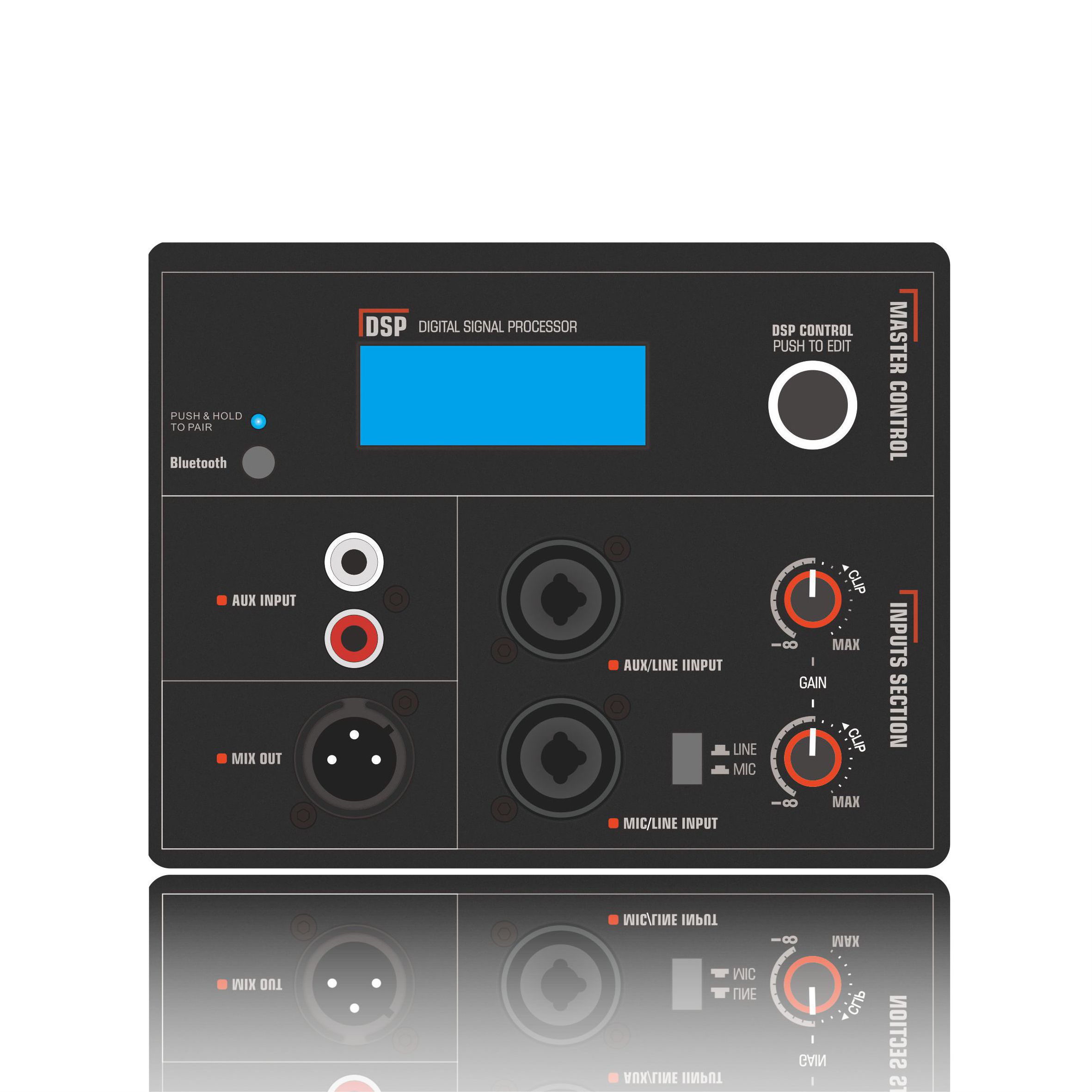
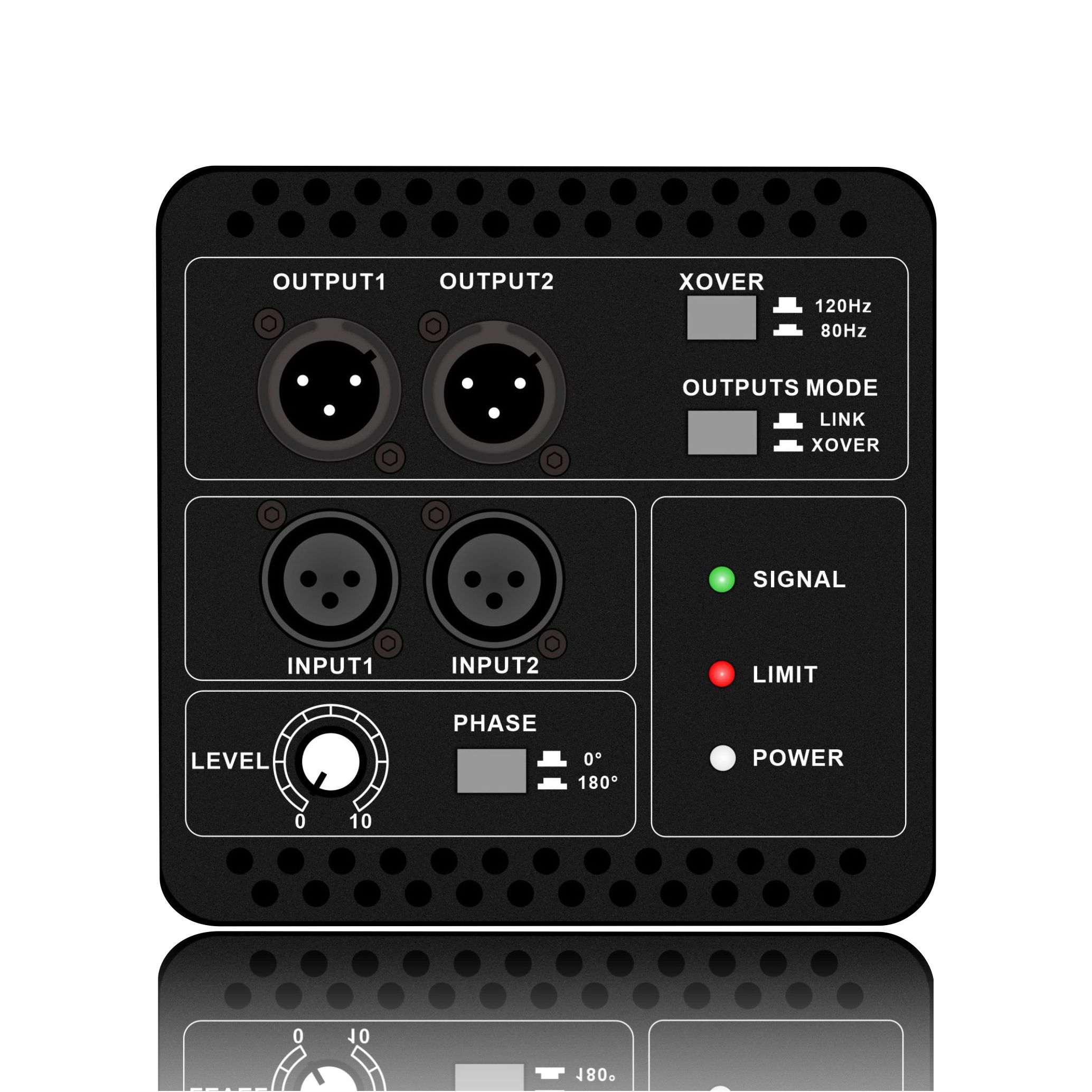
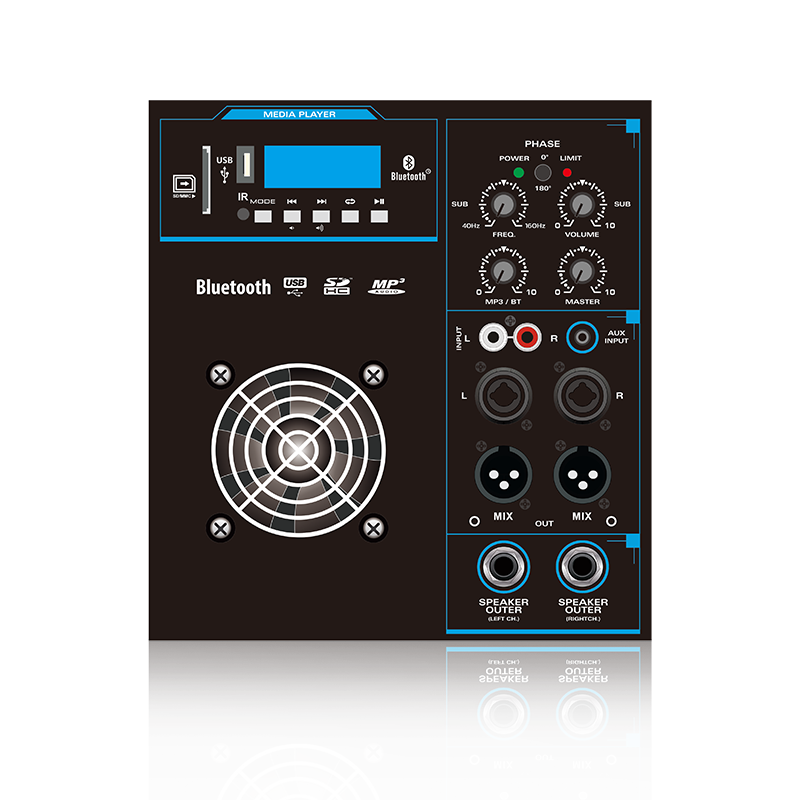
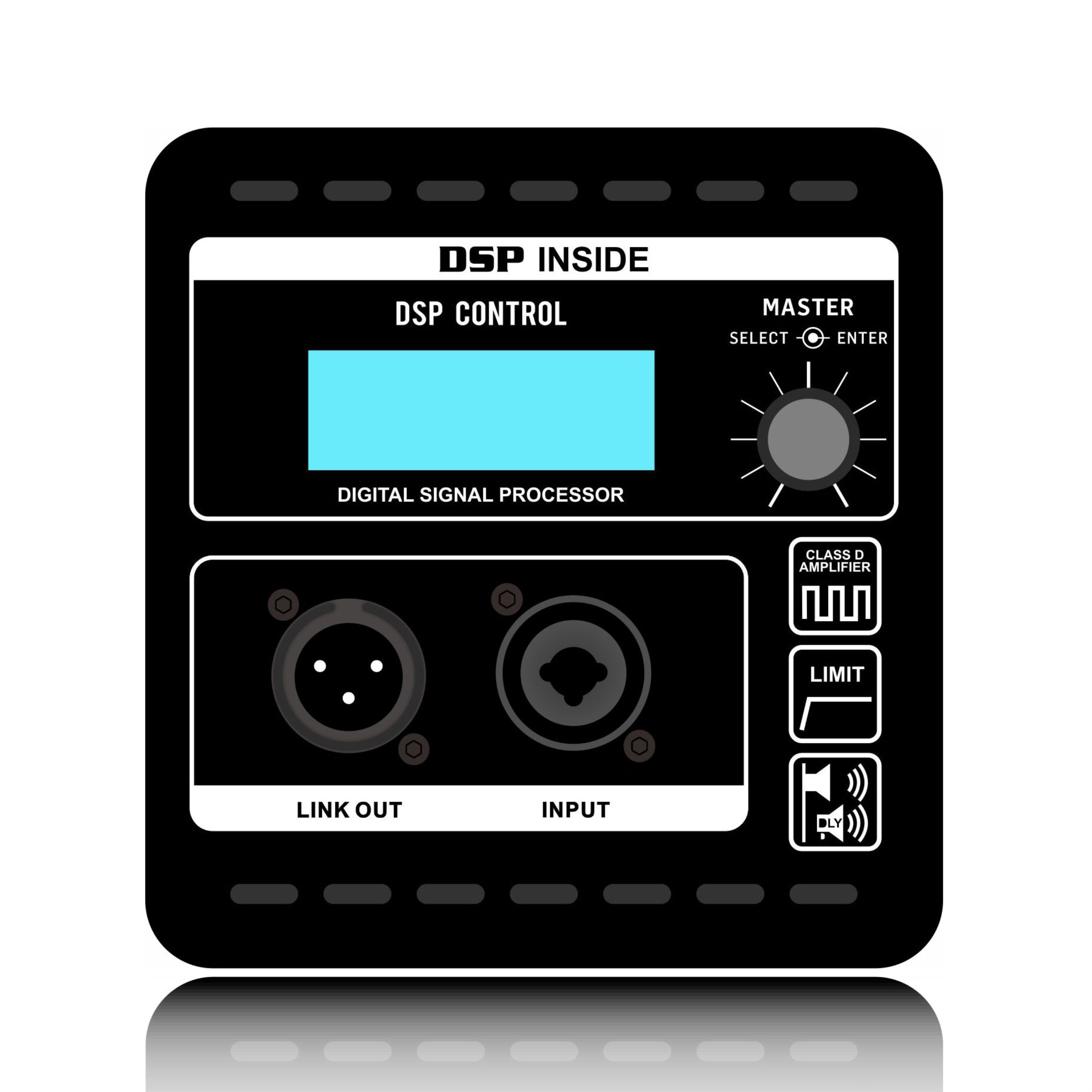
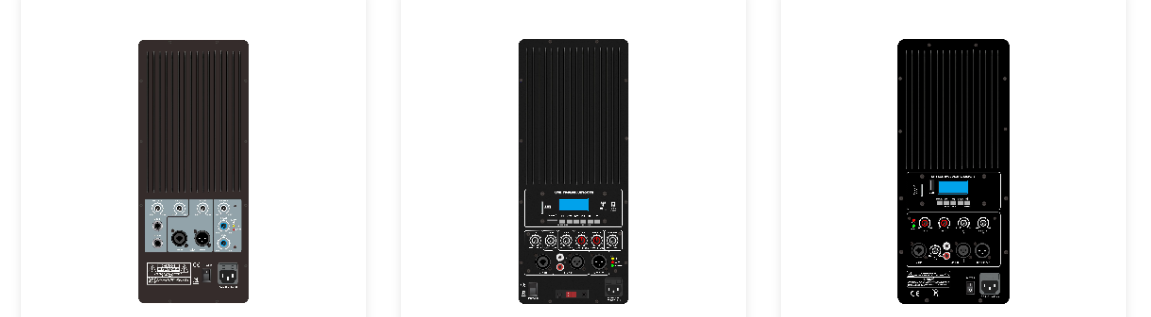
Your audio system may include various devices, such as amplifiers, speakers, and audio sources. When choosing a Class H speaker amplifier, ensure it is compatible with your other equipment, especially in terms of input and output interfaces and signal types.
Recommendation:
Check the amplifier's input and output ports to ensure compatibility with other audio equipment interfaces.
Ensure the amplifier supports the type of audio signal in your system, such as analog or digital signals.