English
 Español
 中文简体
中文简体
Content
- 1 Direct Answer: What Is a Pro Line Array Amplifier?
- 2 How a Pro Line Array Amplifier Works
- 3 Key Technical Specifications to Consider
- 4 Where Pro Line Array Amplifiers Are Used
- 5 Advantages Over Standard Amplifiers
- 6 How to Choose the Right Model
- 7 Frequently Asked Questions (FAQ)
- 7.1 Is a Pro Line Array Amplifier different from a regular PA amplifier?
- 7.2 How much power do I need for a line array system?
- 7.3 Are Class D amplifiers suitable for line arrays?
- 7.4 Can one amplifier power multiple array cabinets?
- 7.5 Why is DSP important in a Pro Line Array Amplifier?
- 7.6 Is network control necessary?
Direct Answer: What Is a Pro Line Array Amplifier?
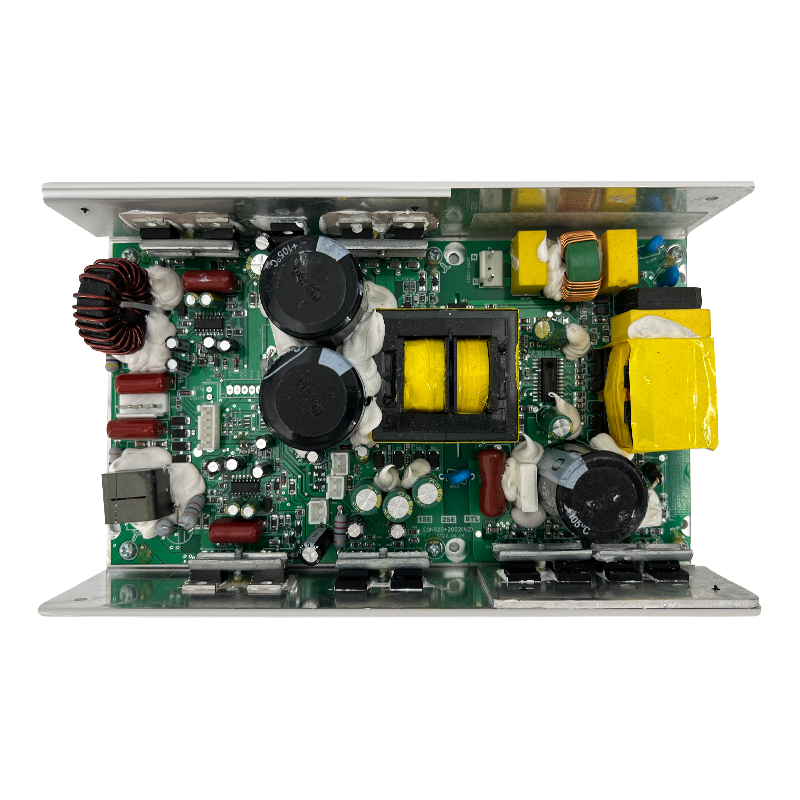
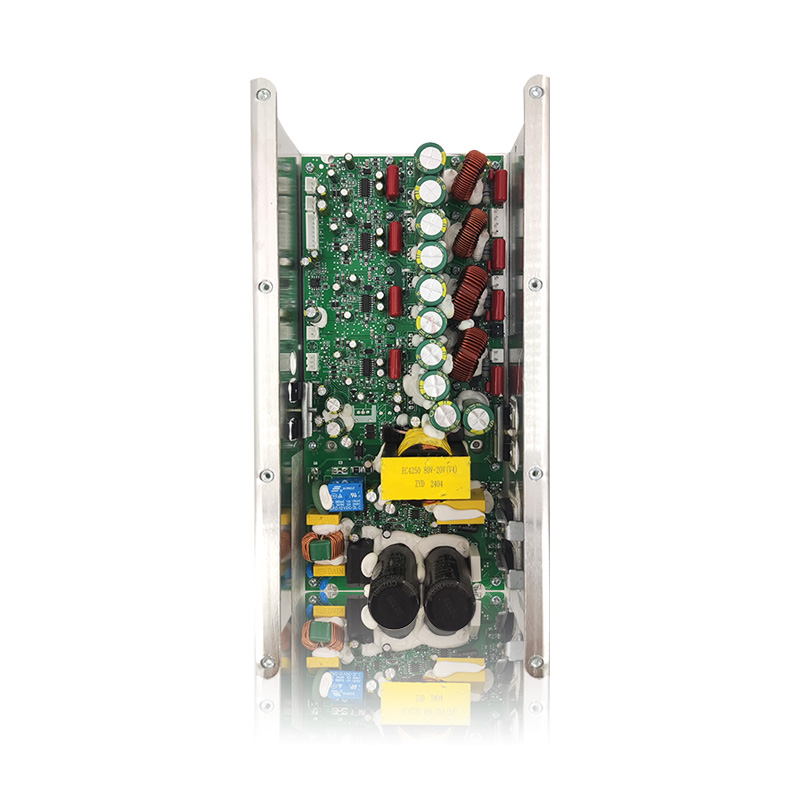
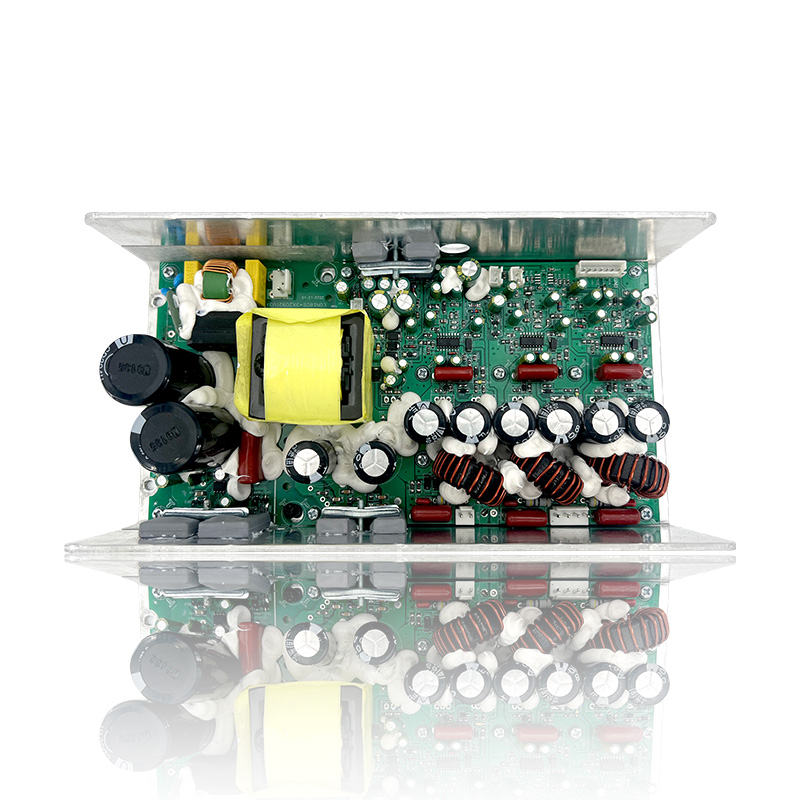
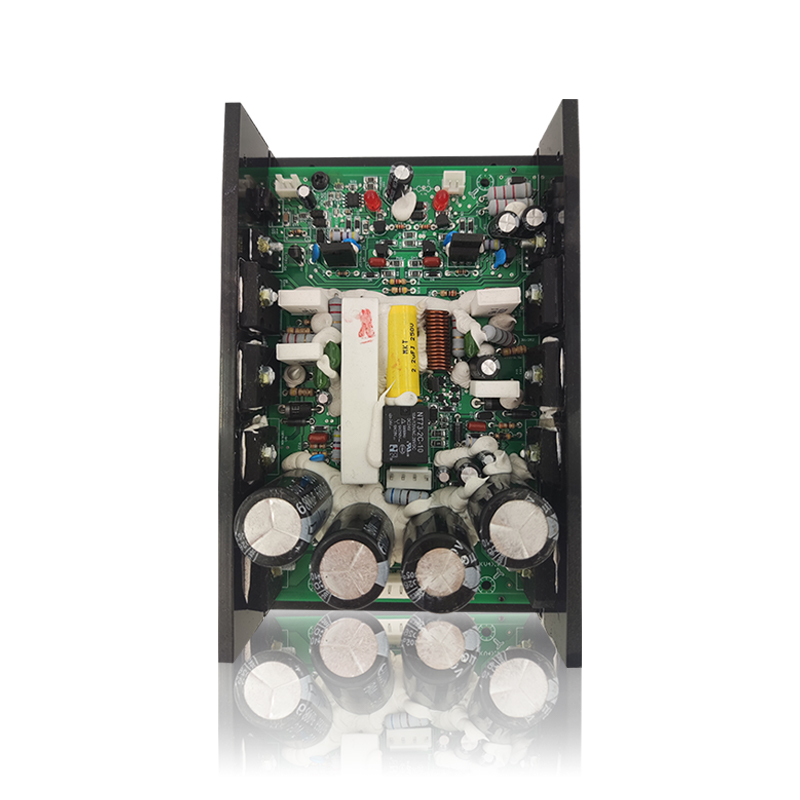
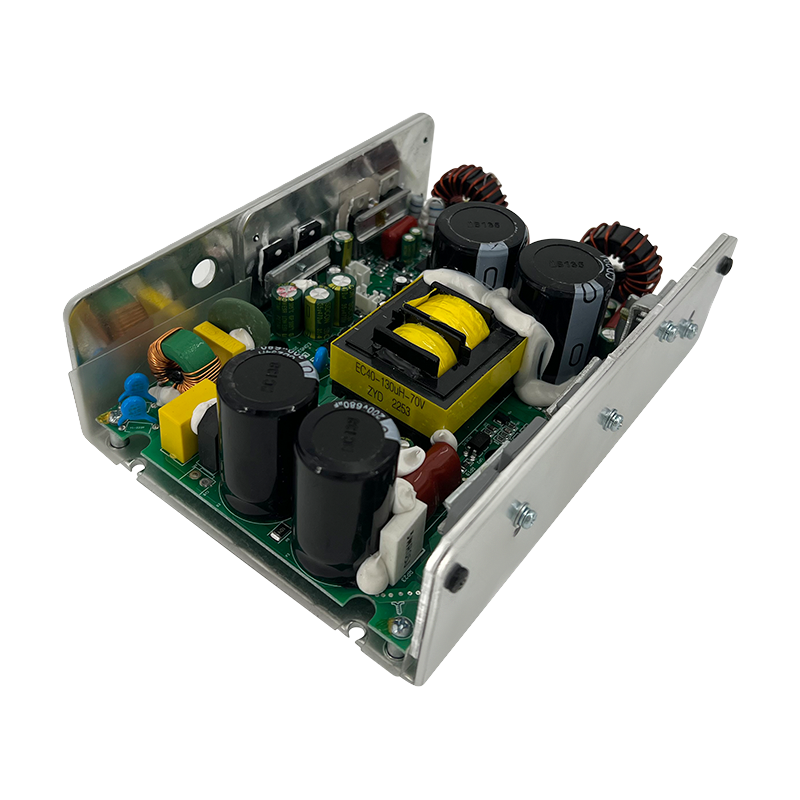
A Pro Line Array Amplifier is a high-power professional audio amplifier specifically engineered to drive line array speaker systems used in concerts, stadiums, theaters, and large-scale events. It delivers high wattage output, stable impedance handling (often 2Ω–8Ω), advanced DSP processing, and reliable thermal protection to ensure consistent sound coverage over long distances.
In short, it is the core power engine behind modern large-format sound reinforcement systems, ensuring clarity, volume, and reliability in demanding live environments.
How a Pro Line Array Amplifier Works
Line array systems consist of multiple vertically aligned speaker cabinets. A Pro Line Array Amplifier powers these cabinets evenly while maintaining phase alignment and frequency balance.
Signal Processing Integration
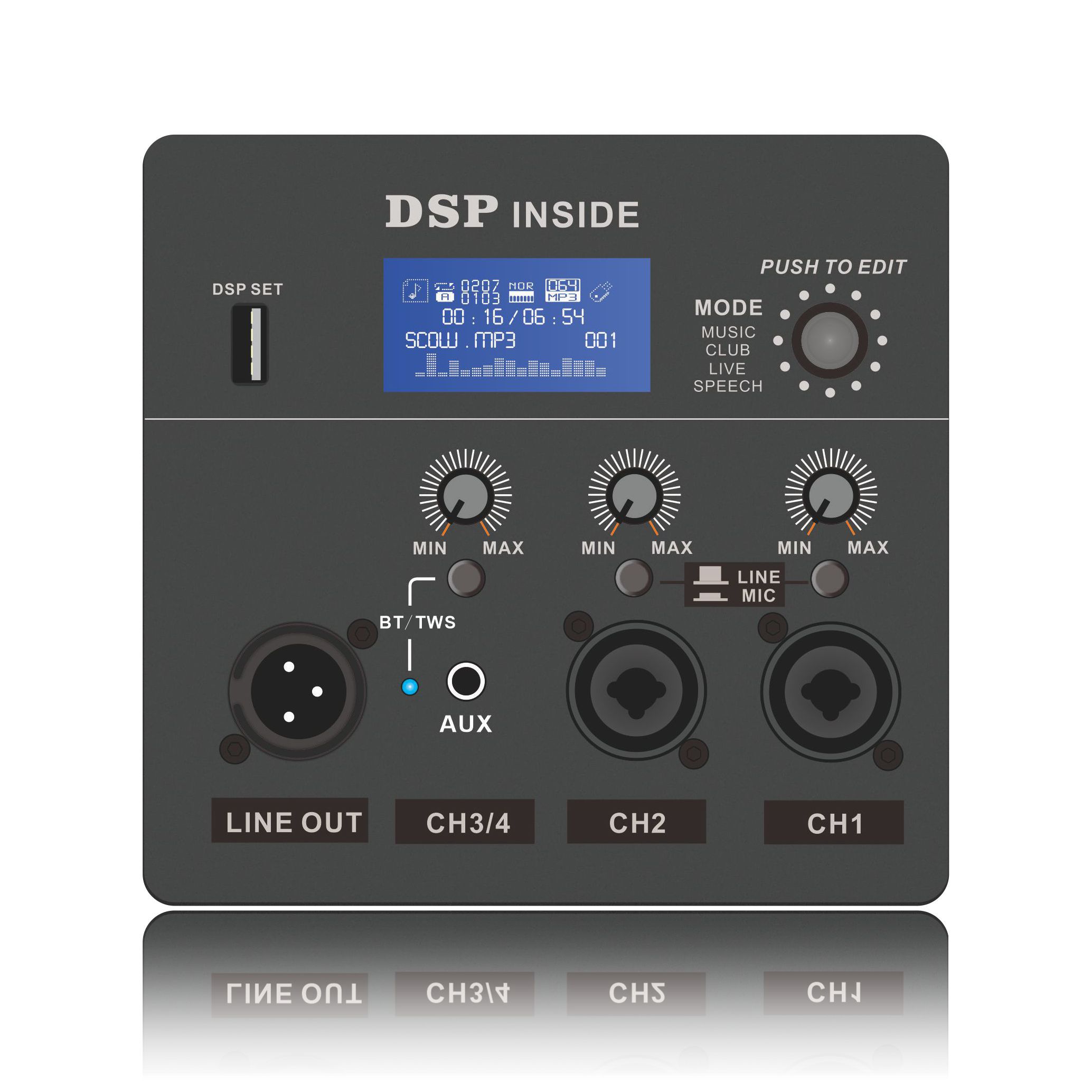
Most modern units include built-in DSP (Digital Signal Processing) to manage crossover, equalization, delay, and limiting. For example, DSP can adjust delay by milliseconds to ensure coherent wavefront propagation across arrays exceeding 20 meters in height.
High Power Output
Typical professional models deliver between 2,000W and 6,000W per channel, with peak outputs exceeding 10,000W in large touring systems. This power ensures sufficient headroom for dynamic live performances without distortion.
Key Technical Specifications to Consider
| Specification | Typical Range | Why It Matters |
|---|---|---|
| Power Output | 2000W–6000W/channel | Ensures adequate headroom |
| Impedance Stability | 2Ω–8Ω | Supports multiple cabinets |
| Efficiency | Up to 90% (Class D) | Reduces heat & power waste |
| THD (Total Harmonic Distortion) | <0.1% | Maintains audio clarity |
Choosing the correct specifications directly impacts system reliability, sound pressure level (SPL), and long-term equipment lifespan.
Where Pro Line Array Amplifiers Are Used
These amplifiers are designed for environments requiring wide coverage and high output consistency.
- Outdoor music festivals with audiences exceeding 10,000 people
- Indoor arenas and stadiums
- Large churches and auditoriums
- Touring sound reinforcement systems
For example, a stadium system may require 12–24 amplifier channels powering dozens of array cabinets to achieve uniform SPL distribution of 100–110 dB across the venue.
Advantages Over Standard Amplifiers
- Higher power density for compact rack installations
- Advanced DSP for precise acoustic tuning
- Network monitoring via Ethernet or software control
- Enhanced protection systems (overheat, short circuit, clip limiting)
Compared to conventional PA amplifiers, Pro Line Array Amplifiers are engineered for sustained high-load operation, often running continuously for 6–12 hours during events.
How to Choose the Right Model
Selecting the appropriate Pro Line Array Amplifier depends on system design and venue size.
- Match amplifier wattage to speaker RMS ratings (avoid overpowering beyond 120%)
- Ensure impedance compatibility when daisy-chaining cabinets
- Consider Class D models for energy efficiency up to 90%
- Evaluate built-in DSP and network control features
Proper system matching can improve performance efficiency by 15–25% while reducing the risk of speaker damage.
Frequently Asked Questions (FAQ)
Is a Pro Line Array Amplifier different from a regular PA amplifier?
Yes. It is optimized for multi-cabinet line array systems, offering higher power output, DSP control, and impedance stability compared to standard PA amplifiers.
How much power do I need for a line array system?
Typically, amplifier power should match or slightly exceed the speaker's RMS rating—often between 2,000W and 6,000W per channel for professional systems.
Are Class D amplifiers suitable for line arrays?
Yes. Class D designs offer up to 90% efficiency, reduced heat generation, and lighter weight—ideal for touring racks.
Can one amplifier power multiple array cabinets?
Yes, provided impedance remains within safe limits (commonly 2Ω–8Ω). Always verify manufacturer specifications.
Why is DSP important in a Pro Line Array Amplifier?
DSP enables crossover management, delay alignment, and system protection, ensuring coherent sound projection and equipment safety.
Is network control necessary?
For large venues and touring systems, network monitoring is highly recommended to manage multiple amplifier channels in real time.