English
 Español
 中文简体
中文简体
Home / News / Industry News / Class AB Amplifier Explained: Pros, Cons, Efficiency & How to Choose One
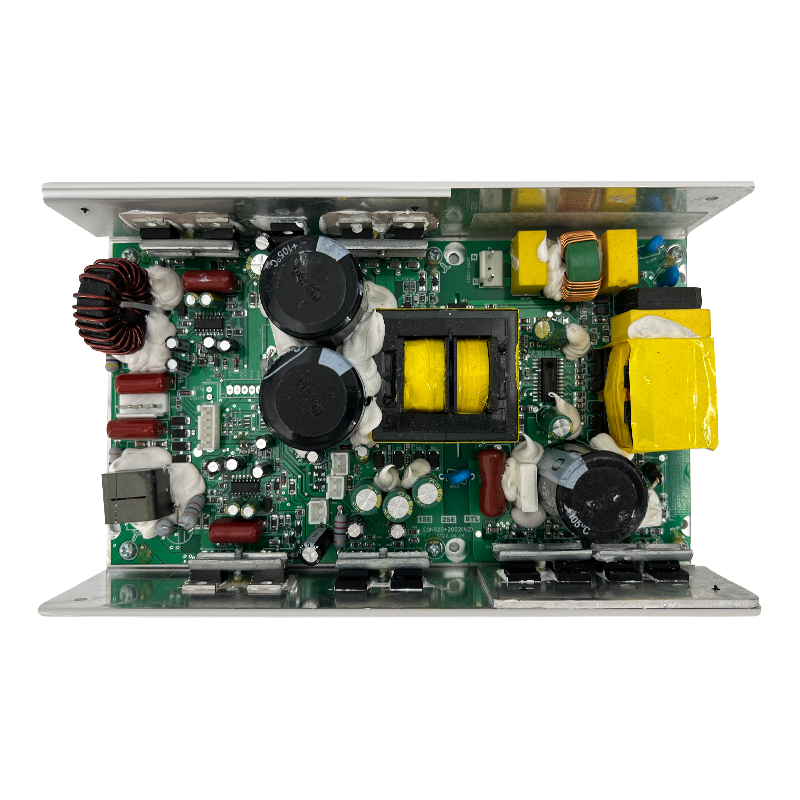
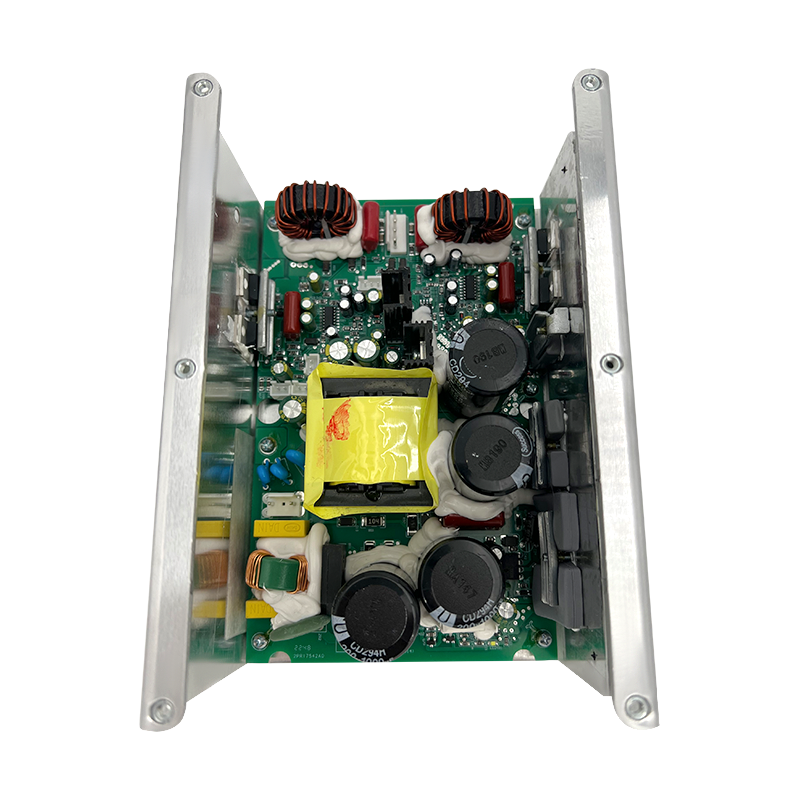
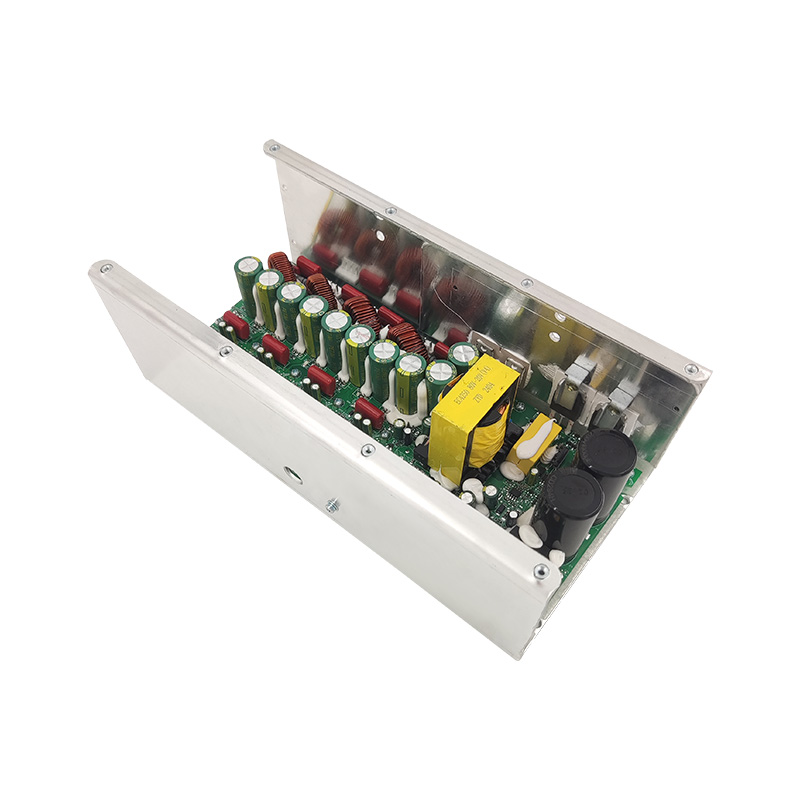
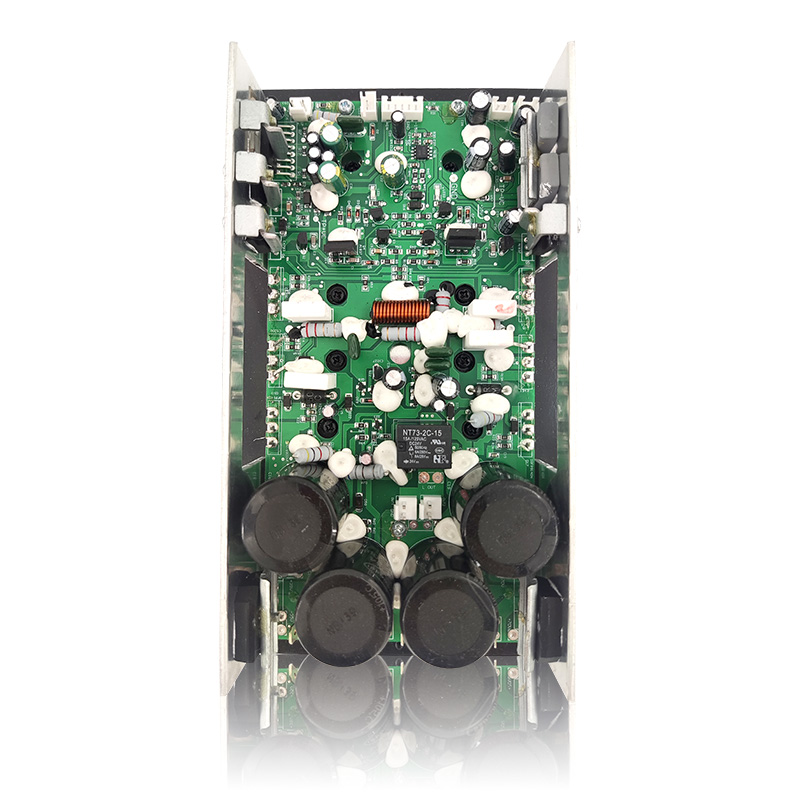
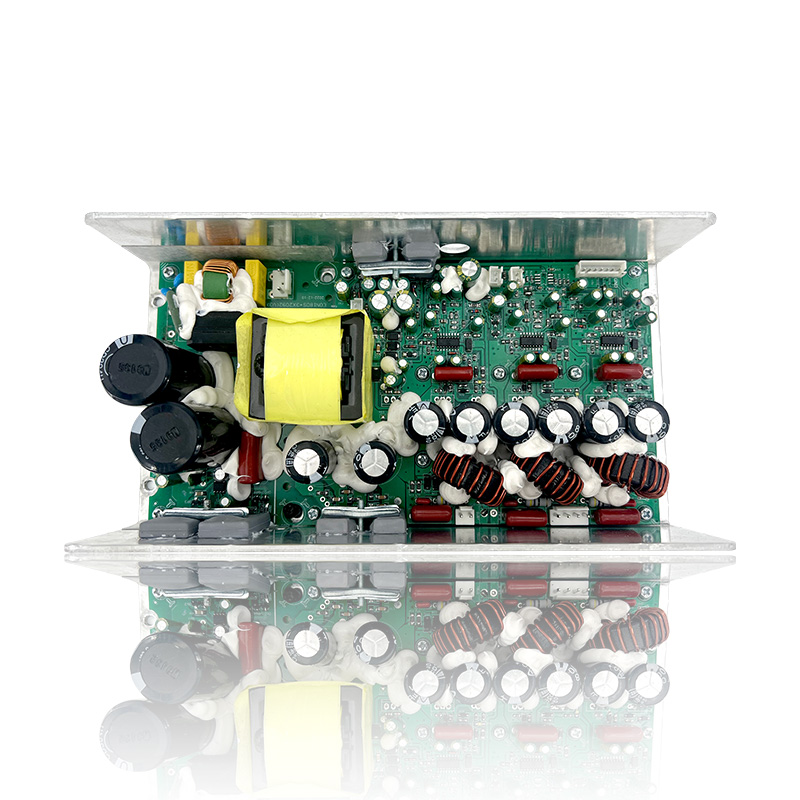
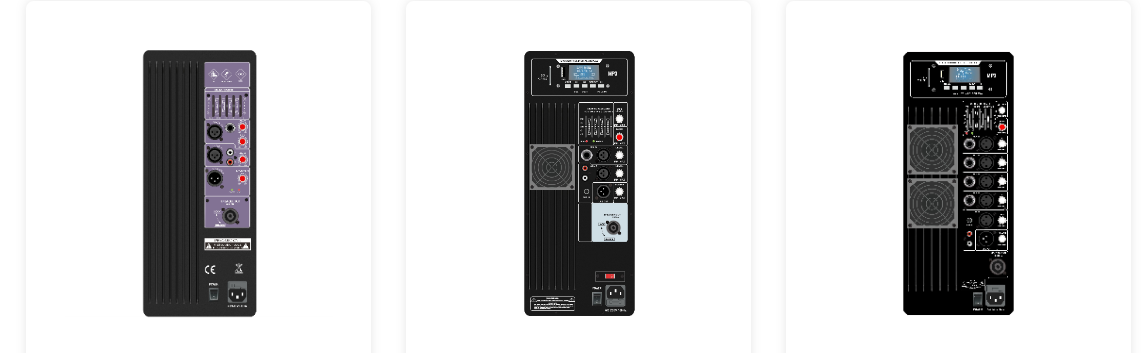
When you open the amplifier board inside a well-made active monitor or a compact guitar combo, the chances are good that you are looking at a Class AB power stage. Linear, predictable and relatively simple to implement, Class AB has been the workhorse of audio amplification for decades, and it still holds a central place in designs that prioritize sound character over battery life. The short version is simple: Class AB gives you most of the sonic purity of Class A with roughly twice the efficiency, and it avoids the crossover distortion of Class B. Here is how it works, how it compares with Class A, B and D, and what to check when you are building or buying an amplifier module.
Content
What Is a Class AB Amplifier?
Class AB is a linear push-pull amplifier topology in which two complementary output transistors conduct for slightly more than half of the signal cycle. The overlap between the positive and negative halves removes the crossover notch that is the main weakness of pure Class B operation, while the bias current stays low enough that efficiency remains far above Class A. The result is clean, analog sound with a very practical thermal penalty.
How the conduction angle works
Think about a single cycle of an audio sine wave. In a Class A stage, the output transistor conducts the entire 360 degrees. In a Class B stage, the positive device conducts one half-cycle and the negative device conducts the other, about 180 degrees each, which saves bias power but produces a visible gap as the signal crosses zero. A Class AB stage is biased so that each device conducts between roughly 180 and 220 degrees, depending on the quiescent current setting. Because both devices remain slightly active at the zero crossing, one hands off to the other smoothly. According to Wikipedia’s overview of power amplifier classes, Class AB and Class D have dominated the audio market since at least 2010, with AB preferred whenever distortion and linearity matter more than raw efficiency.
Output voltage over one cycle. The flat region in the Class B trace shows the crossover dead zone that Class AB eliminates.
Why the bias point matters
The quiescent current of a Class AB stage is set by the bias network, normally a VBE multiplier or a dedicated bias transistor mounted on the same heatsink as the output pair. Set it too low, and the stage drifts toward Class B, which runs cooler but produces audible crossover distortion. Set it too high, and the stage approaches Class A, with beautiful sound but high idle current that heats the heatsink even at silence. A well-designed module holds the bias stable across temperature, which is why the thermal design of the output stage and heatsink is inseparable from the amplifier class.
Exploded isometric view of a typical Class AB amplifier module: gain stages on the control board, complementary output devices on the power board, and a U-shaped heatsink with a linear power supply input.
Class AB vs Class A, B and D: The Practical Trade-offs
Here is the ranking that matters for a purchasing decision: Class A is sonically clean but inefficient, Class B is efficient but too distorted for audio, Class D is efficient and compact but adds switching artifacts, and Class AB is the compromise that works best across the broadest range of speaker applications. If you are choosing an amplifier class for a new design or an upgrade, Class AB is rarely the wrong choice below a few hundred watts per channel.
Consider a manufacturer building a 100 W active PA speaker. The Class AB route needs a larger transformer, more heatsinking and a heavier cabinet. Class D delivers the same output with a fraction of the heat, but the quality of the input filtering, grounding and output filter now decides the sound. For studio monitors and instrument amplifiers, the choice often lands on AB because its behavior at the edge of clipping is more forgiving and musical.
| Class | Conduction | Typical efficiency | Distortion character | Heat | Typical power | Common application |
|---|---|---|---|---|---|---|
| A | 360° | 20–30% | Low at small signals; continuous bias | Very high | Under 50 W | Headphone amps, preamps, high-end hi-fi |
| AB | 180–220° | 45–65% | Low; smooth zero crossing | Moderate | 20–500 W | Hi-fi amps, active speakers, guitar amps |
| B | About 180° | 50–70% | Crossover notch | Moderate | Rarely used alone | Old push-pull PA stages |
| D | Switching (PWM) | 80–92% | Switching noise needs output filter | Low | 50–2000 W+ | Subwoofers, portable PA, compact active speakers |
Reading the trade-offs for your speaker
Editorial five-axis comparison. Values are relative judgments for typical designs, not measured specifications.
Efficiency numbers you can plan around
Efficiency directly controls power supply size and heatsink mass. For 100 W of continuous output, a 25% efficient Class A stage dissipates about 300 W of heat, a 55% efficient Class AB stage dissipates about 82 W, and an 88% efficient Class D stage dissipates roughly 14 W. This is why Class AB amplifiers always feel heavier: the metal is doing real work.
300 W
Class A
82 W
Class AB
14 W
Class D
Calculated waste heat at 100 W continuous output, using typical mid-range efficiencies (A 25%, AB 55%, D 88%).
Advantages and Disadvantages: What You Actually Get
For most powered speakers, instrument amplifiers and hi-fi designs, Class AB remains the easiest way to achieve natural sound without paying Class D’s engineering bill. The two real costs are heat and weight.
Where Class AB wins
- Low crossover distortion without complex correction circuitry
- Stable behavior into reactive speaker loads, with no output filter required
- Forgiving clipping that sounds less harsh when driven into overdrive
- Simple, repairable topology that most service technicians know well
- Low noise floor when paired with a linear transformer supply
Where Class AB costs you
- Efficiency of 45–65% means 35–55% of input power becomes heat at moderate levels
- Larger heatsinks, heavier transformers and bigger cabinets
- Continuous high-level output requires deliberate thermal management and protection
Typical efficiency at rated output
Typical efficiency ranges at rated output; the Class B figure is the theoretical maximum for a push-pull stage.
Where Class AB Amplifiers Are Still the First Choice
You still find Class AB inside professional studio monitors, mid-size PA top cabinets, high-end guitar amplifiers and many home integrated amplifiers. Its damping factor into bass drivers is usually higher than an average Class D design, which gives tight, controlled low-frequency behavior. Because the sound degrades gradually when overloaded, Class AB is often described as more musical in real playing and singing situations.
For designers, working with a known power stage makes the rest of the system predictable. This is one reason audio amplifier modules enhance sound quality in speaker systems mainly through consistent linearity and stable damping rather than flashy specifications. A separate but equally practical question is how amplifier modules respond to different speaker impedances; Class AB designs normally stay stable at 4 or 8 ohms if the power supply and protection are correctly rated. Before selecting any board, it also helps to review what an audio module in a powered loudspeaker actually contains, so the power stage, preamp stage and DSP functions are chosen as one coherent system.
Building a Powered Speaker Around Class AB: Matching the Front-End Module
An output stage is only half the amplifier. The front-end module controls gain, equalization, mixing and protection, the functions that users actually touch. When a Class AB stage is part of a powered speaker, an analog functional module is often the most direct route, because it adds no latency, costs little and can be trimmed with simple potentiometers.
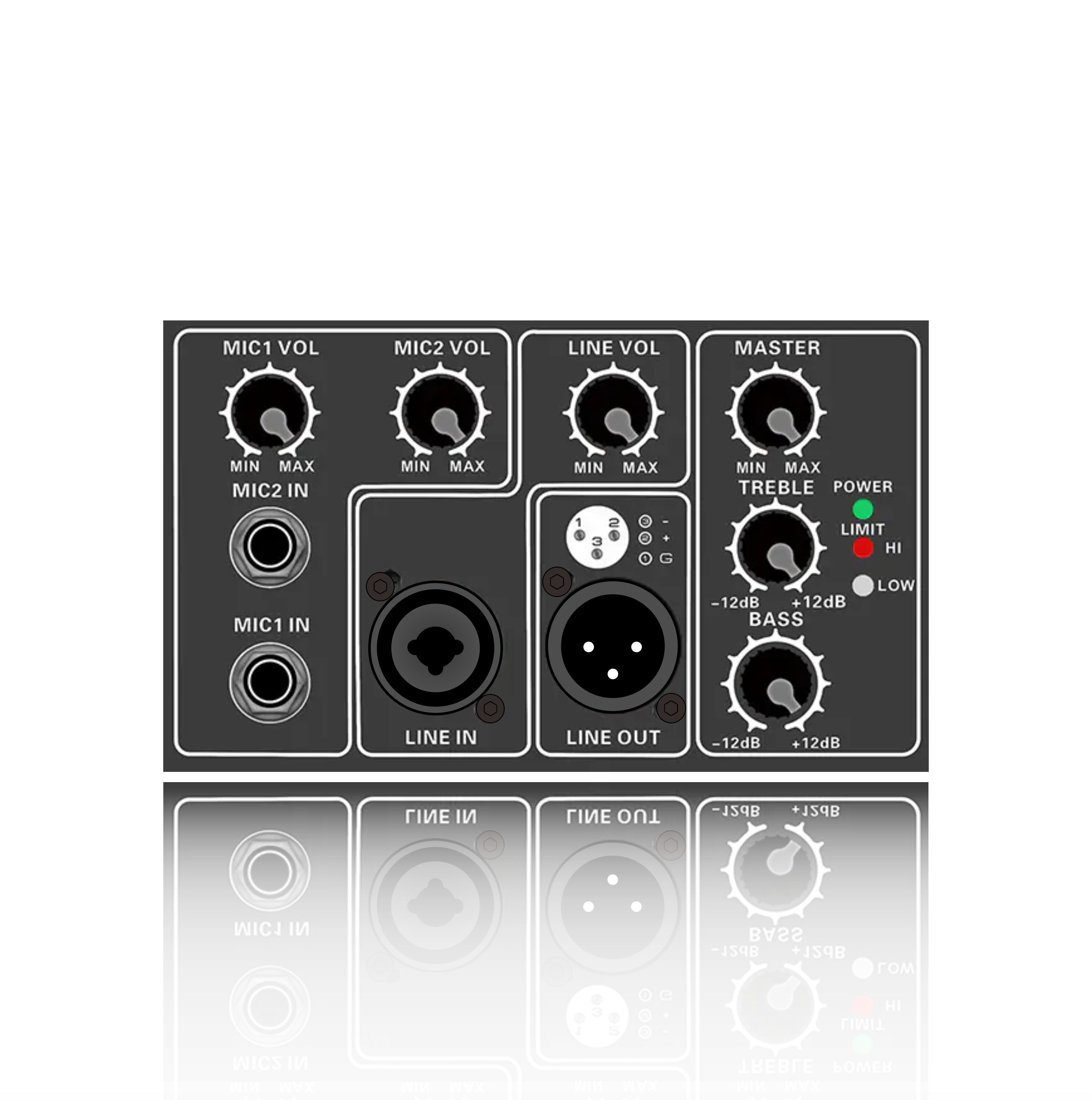
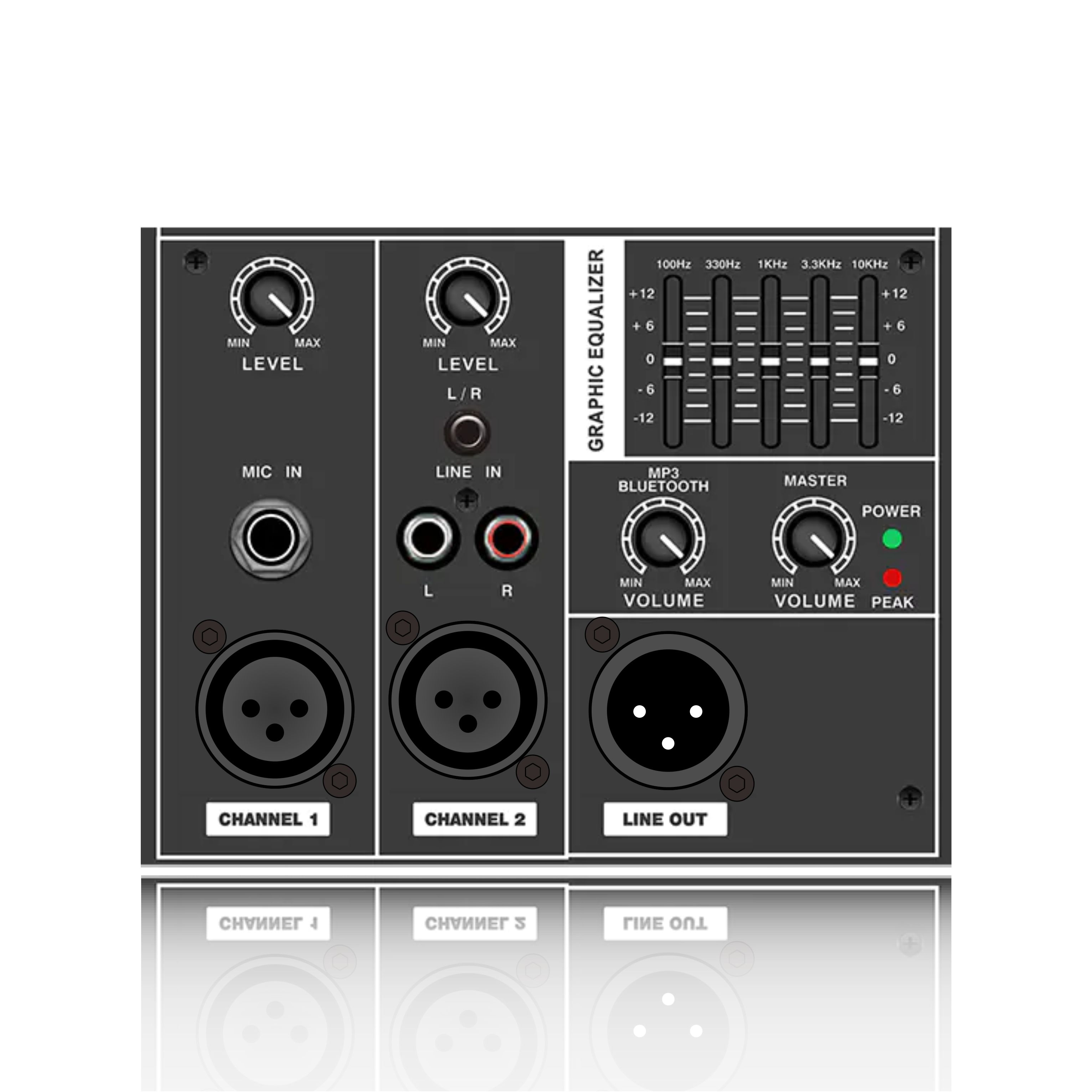
For a two-way or full-range design with a Class AB output stage, the pl1 treble and bass EQ control module for Class AB amplifiers delivers straightforward tone shaping plus a mix output. If the speaker also includes a microphone input, common in portable PA and installation speakers, the pl35 balanced mic and line input module with 5-band graphic equalizer adds channel conditioning and a musical 5-band EQ. For a simple powered mixer or column speaker, the pl3 5-band graphic equalizer with mic effect module combines EQ and echo on one compact board.
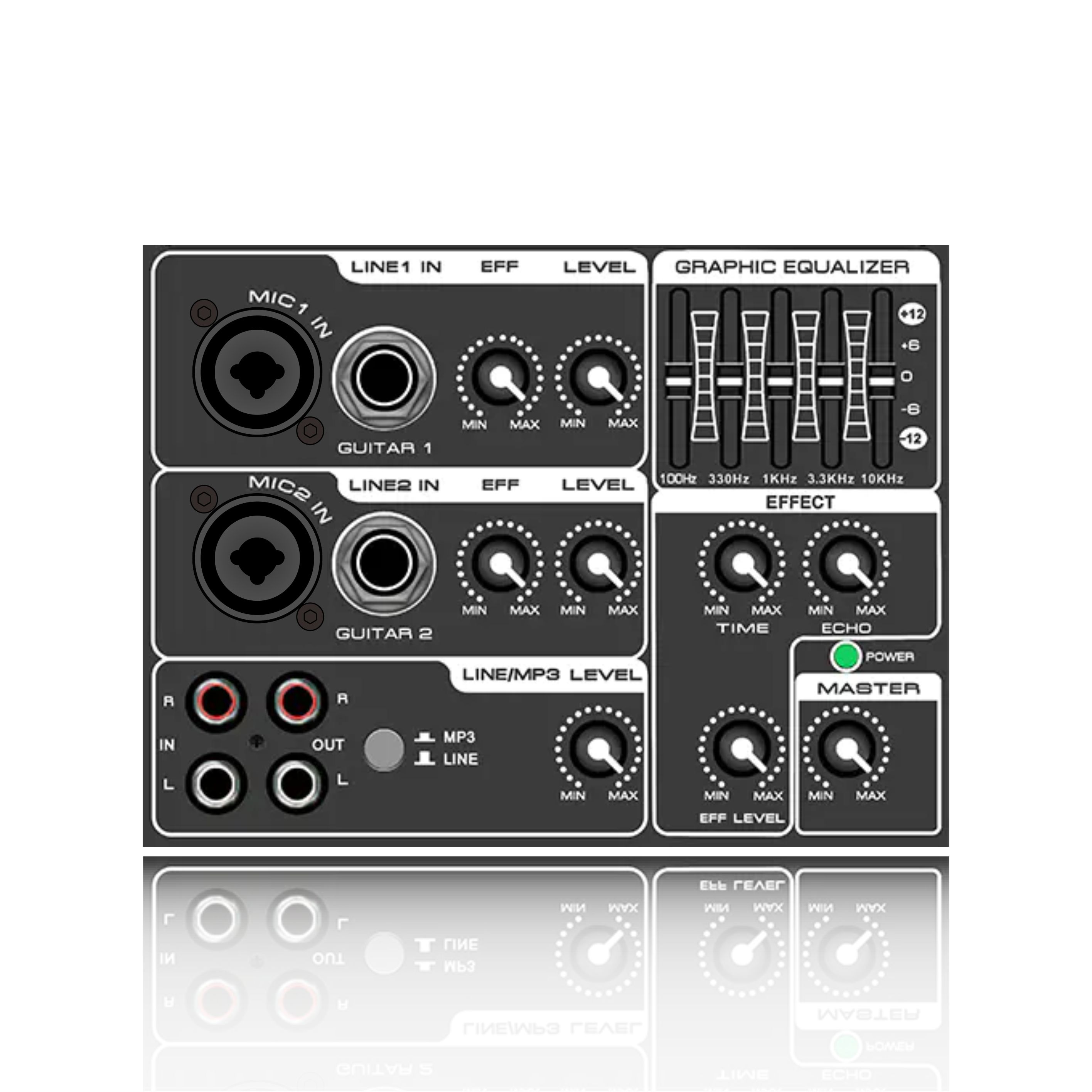 Wholesale PL3: 5-Band Graphic Equalizer and Mic Effect Horizontal Analog FunctinAs China PL3: 5-Band Graphic Equalizer and Mic Effect Horizontal Analog Functinal Module for Class AB Amplifier suppliers and company, Zh...View Product →
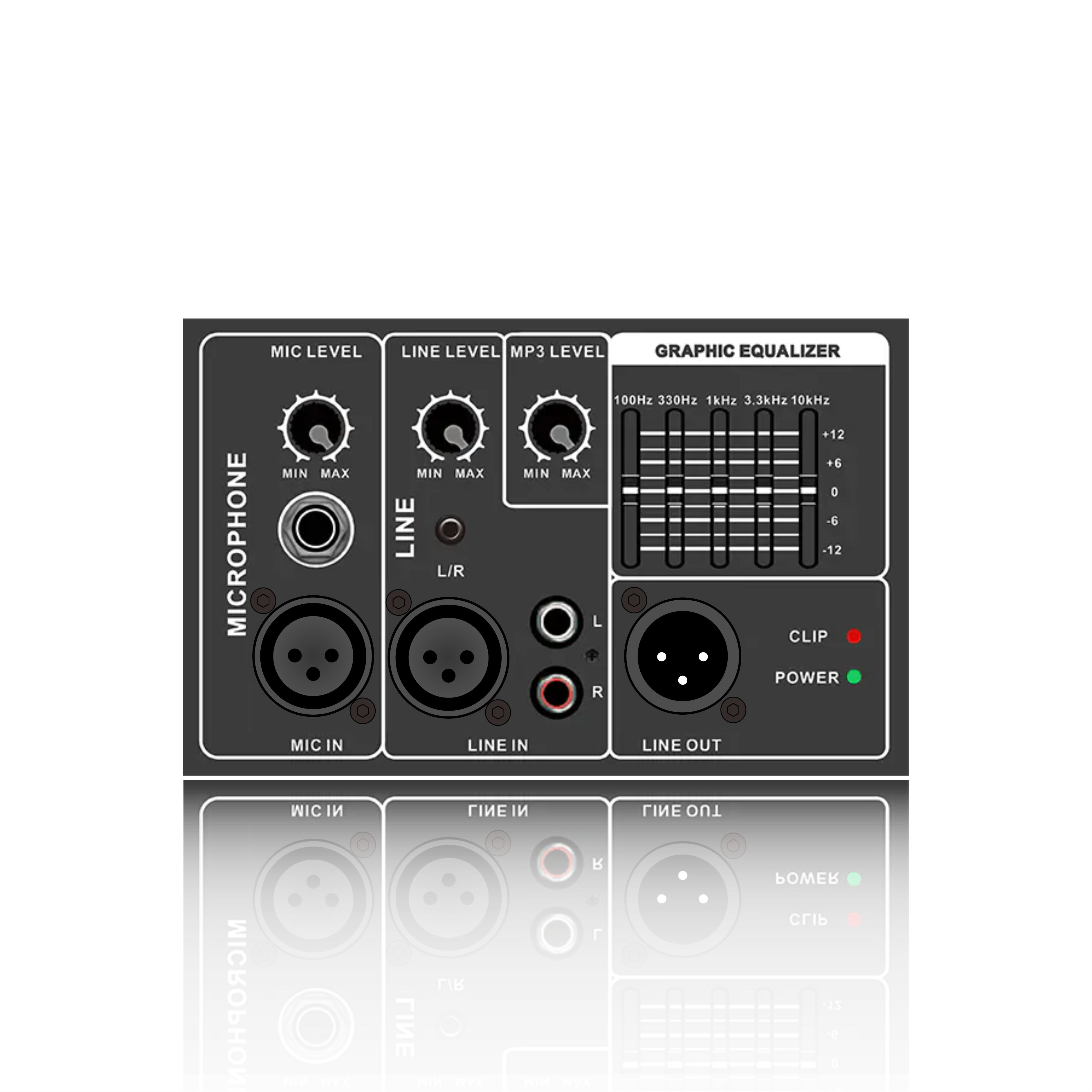 Wholesale PL35: Balanced Mic and Line Input 5-Band Graphic Equalizer Horizontal As China PL35: Balanced Mic and Line Input 5-Band Graphic Equalizer Horizontal Analog Functinal Module for Class AB Amplifier suppliers a...View Product →
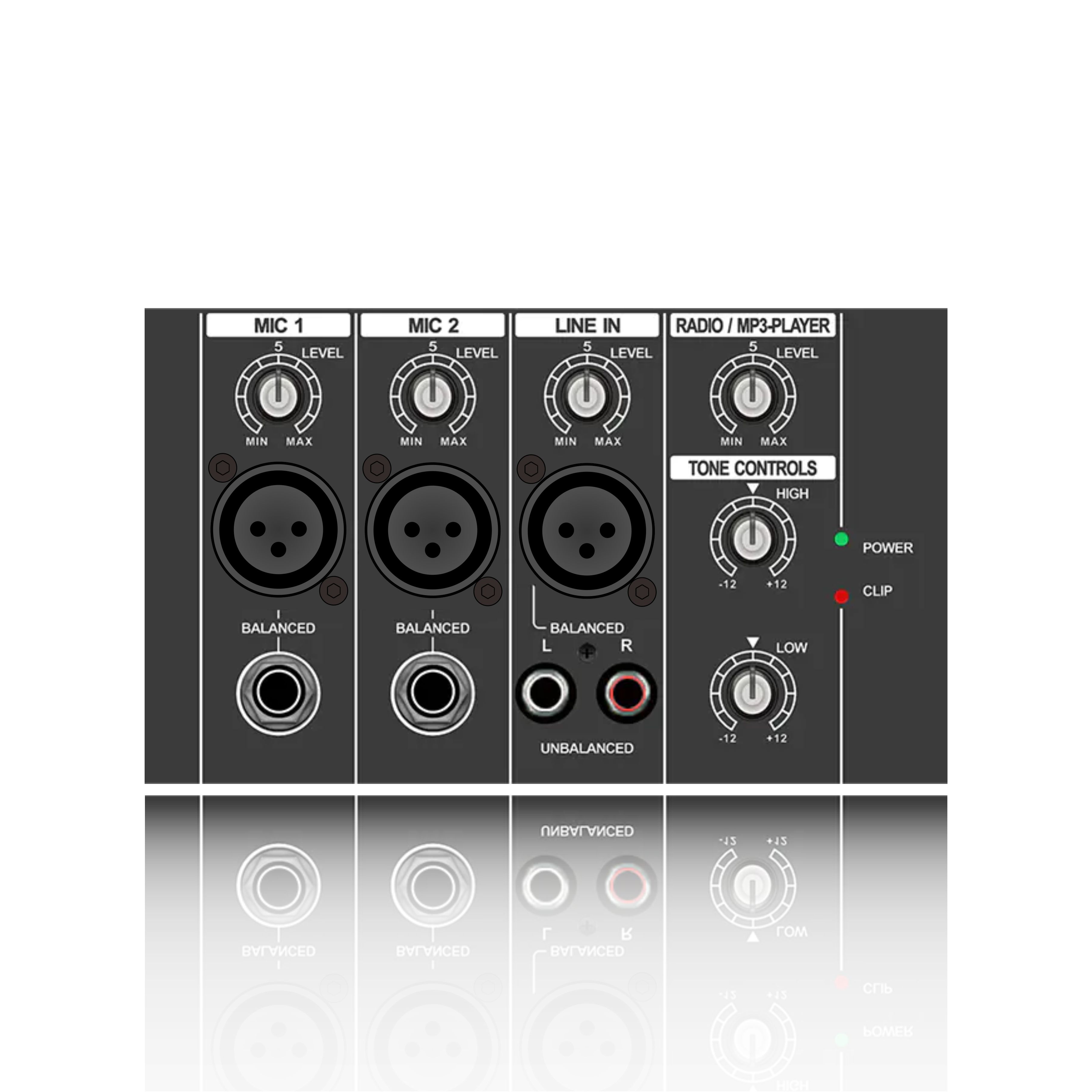 Wholesale PL1: Treble and Bass EQ Control Horizontal Analog Functinal Module forAs China PL1: Treble and Bass EQ Control Horizontal Analog Functinal Module for Class AB Amplifier suppliers and company, Zhenhai Huage p...View Product →
These modules are designed for Class AB amplifier systems because they assume a clean, linear input stage with predictable impedance. The power stage, transformer and heatsink still need to be selected for your target output level and enclosure size. For higher-power products, many manufacturers move to Class H power stages with linear supplies when they want to preserve analog character at greater output, or to Class D modules with LLC resonant supplies when weight and heat are the limiting factors.
Frequently Asked Questions
Is Class AB better than Class D?
For sound quality at moderate power, usually yes. Class AB produces linear analog output with no switching artifacts, while Class D offers much higher efficiency and less heat but depends on output filter quality to reach comparable fidelity.
Why do Class AB amplifiers get so hot?
They run in a linear mode with continuous bias current. At low output levels, most of the rail power converts to heat, so a sufficient heatsink and ventilation are mandatory.
What is the actual efficiency of Class AB?
Typically 45–65% at rated output, compared with 20–30% for Class A and 80–92% for Class D. The exact number depends on the bias setting and the signal level.
Can a Class AB amplifier drive 4-ohm speakers?
Yes, but current and heat roughly double compared with an 8-ohm load. Check the module’s rated output at 4 ohms and plan the heatsink and protection accordingly.
Which class is best for a guitar amplifier?
Most solid-state guitar combos use Class AB because its softer clipping and simple maintenance pair well with instrument-level signals. Class A is preferred only for very low-power, vintage-style tone.
Should I choose Class AB or Class A for a hi-fi build?
Use Class A when output is small, under about 10–20 W, and heat is acceptable. Above that, Class AB gives a very similar sound with far less wasted power and a smaller transformer.