English
 Español
 中文简体
中文简体
Content
- 1 Class D vs Class AB: The Direct Answer for Line Array Systems
- 2 How a Class D Line Array Amplifier Works
- 3 How a Class AB Amplifier Works
- 4 Efficiency Across the Output Load Range
- 5 Heat Generation and Thermal Management
- 6 Weight and Portability for Touring Power Amplifier Racks
- 7 Sound Character and Damping Factor Considerations
- 8 DSP Integration in a Modern Pro Line Array Amplifier
- 9 Comparing Class D and Class AB Across Key Factors
- 10 Selecting a Pro Line Array Amplifier for Concerts and Touring
- 11 Applications Across Venues and Environments
- 12 Choosing a Line Array Amplifier Manufacturer
- 13 About Ningbo Zhenhai Huage Electronics
- 14 Frequently Asked Questions
Class D vs Class AB: The Direct Answer for Line Array Systems
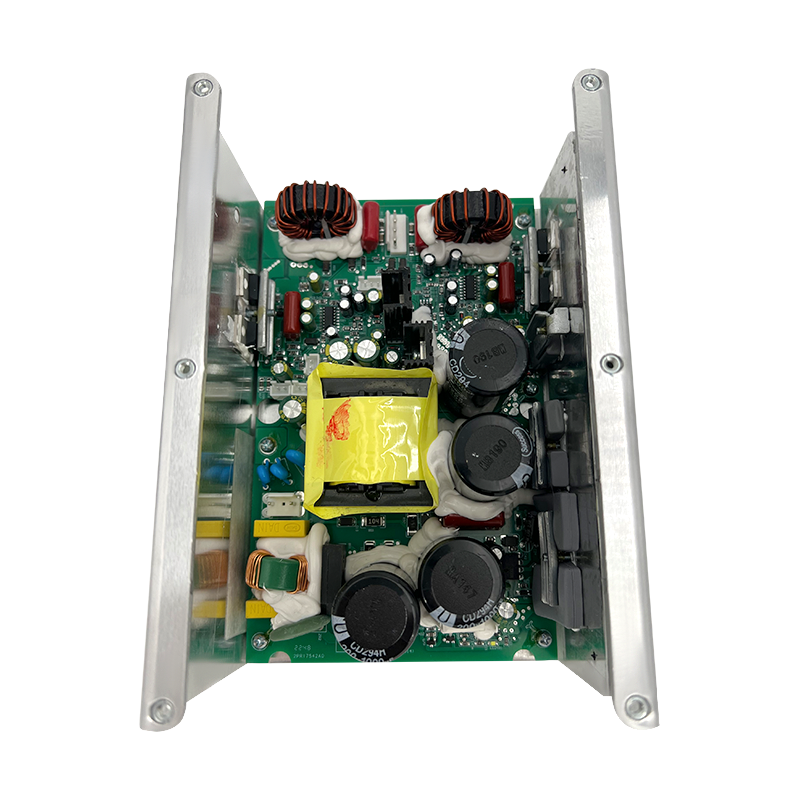
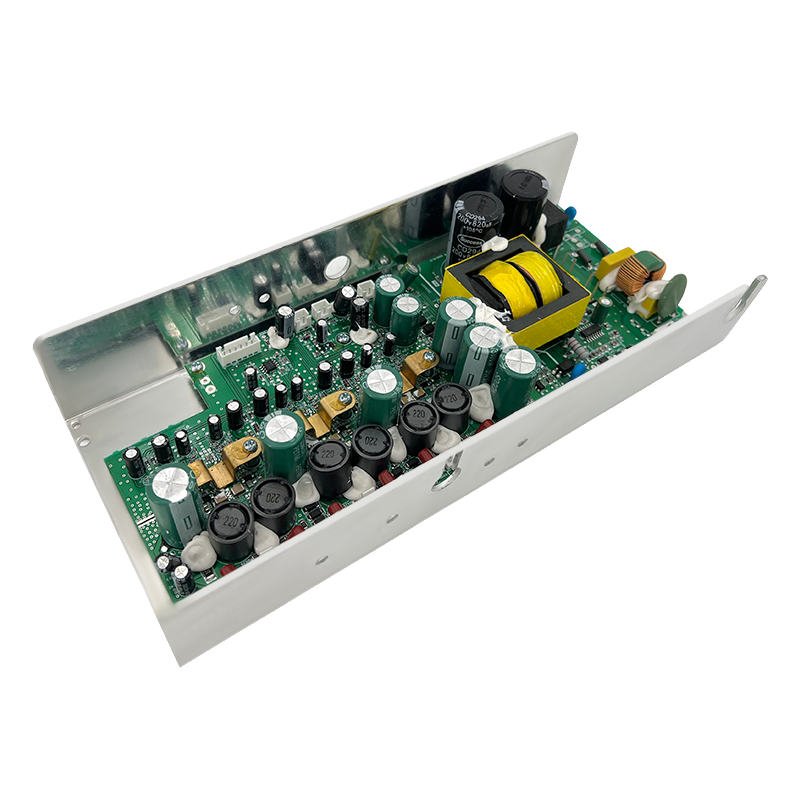
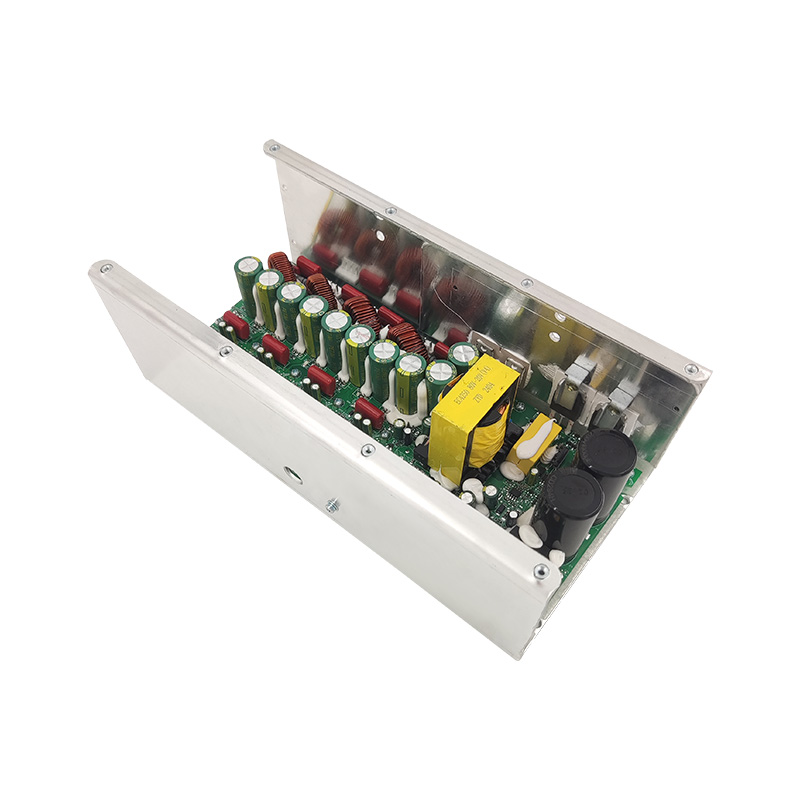
For most modern touring and permanently installed line array systems, a Class D Pro Line Array Amplifier is generally the more practical choice, since it delivers higher efficiency, lower heat output, and a lighter chassis than a comparable Class AB design. Class AB amplifiers still hold a place in certain setups, particularly where a rack was originally built around that topology or where an engineer has a strong preference for its traditional damping characteristics at low frequencies.
The choice is rarely absolute in practice. Efficiency, heat, and weight tend to favor Class D, while some engineers still associate Class AB with a certain smoothness in the midrange on specific cabinet designs. The sections below walk through the engineering reasons behind these differences so the comparison can be applied to an actual rig rather than treated as a blanket rule.
How a Class D Line Array Amplifier Works
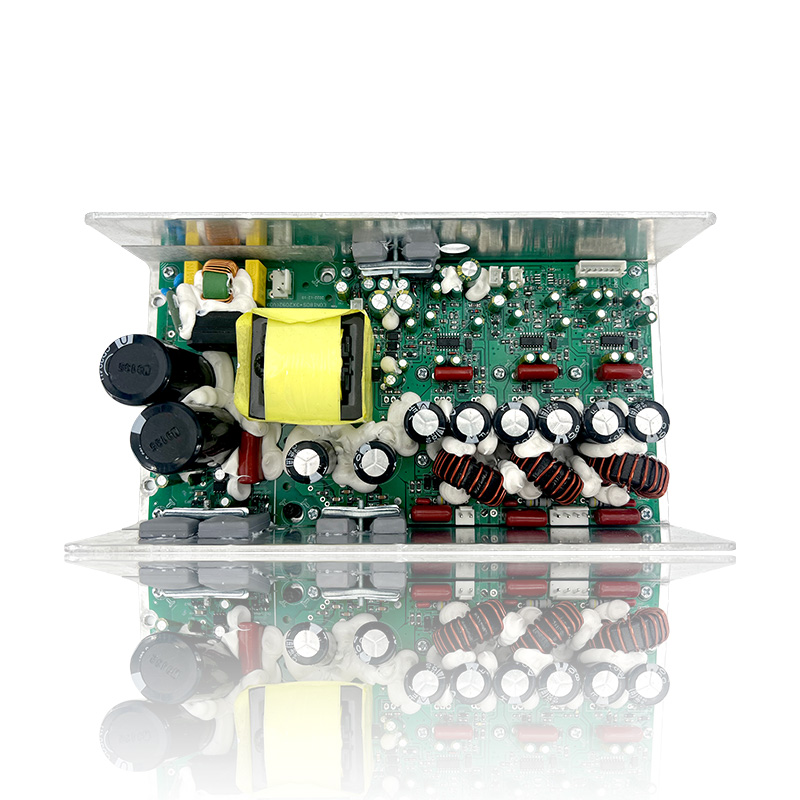
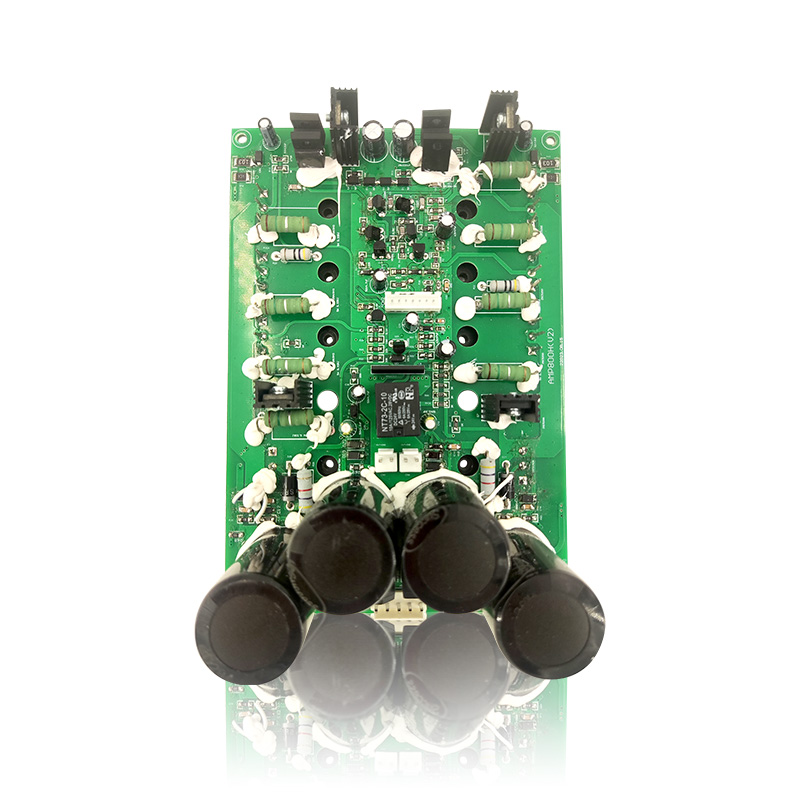
A Class D line array amplifier uses high frequency switching output devices rather than a continuously conducting linear stage. The incoming audio signal is converted into a pulse width modulated switching pattern, the output transistors turn fully on or fully off at a very high switching frequency, and a low pass filter at the output reconstructs the amplified audio waveform from that switching pattern.
Why Switching Design Reduces Heat
Because the output devices spend most of their time either fully on or fully off, very little energy is lost as heat during the transition between those states. This is the core reason Class D topology can reach efficiency figures in the 85 to 92 percent range at rated output, compared with a Class AB stage that dissipates a meaningfully larger share of input power as heat rather than delivering it to the speaker load.
Modern Filtering and Feedback
Early Class D designs sometimes carried a reputation for a less refined sound compared with linear amplifiers, largely due to switching noise and simpler filter networks. Current designs use multi order output filters and tighter feedback loops, which has narrowed that gap considerably for professional touring applications.
How a Class AB Amplifier Works
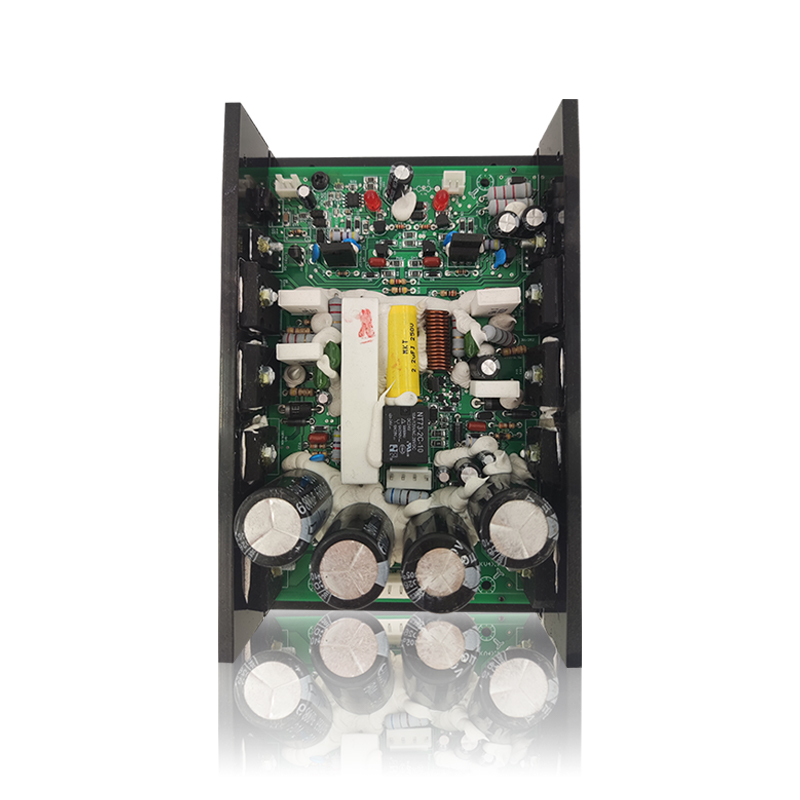
A Class AB amplifier uses a pair of output transistors biased so that each one conducts for slightly more than half of the audio waveform, which avoids the crossover distortion associated with pure Class B operation while still being considerably more efficient than a Class A stage that conducts across the entire waveform continuously.
Because the output devices remain in a partially conducting linear state rather than switching fully on and off, a Class AB stage converts a larger portion of input power into heat, particularly at lower output levels. This is why Class AB racks intended for high power touring use tend to carry larger heat sinks and higher overall chassis weight than an equivalent Class D unit.
Efficiency Across the Output Load Range
Efficiency is not a single fixed number, since it shifts depending on how much of the rated output an amplifier is actually delivering at a given moment during a show. The line chart below illustrates a typical efficiency curve for each topology across four common load points, from a quarter of rated output up to full rated output.
Typical efficiency pattern across output load for Class D versus Class AB topology, shown for general comparison only
Heat Generation and Thermal Management
Heat output directly affects how an amplifier rack needs to be cooled, how much fan noise it produces near an audience or a broadcast microphone, and how much load it places on the venue power and air conditioning during a long show. The column chart below shows approximate heat dissipation at two output levels for each topology, based on the efficiency figures referenced above at 1000 watts rated output.
Approximate heat dissipation in watts at 500 and 1000 watts rated output, shown for general comparison only
Weight and Portability for Touring Power Amplifier Racks
Weight matters more in touring than it might first appear, since every kilogram in a rack affects road case loading, forklift and dolly planning, and the physical effort of the crew moving gear in and out of a venue on a tight changeover schedule. A touring power amplifier built around Class D output stages typically needs a much smaller heat sink than a Class AB unit of similar output, which translates directly into a lighter chassis.
Approximate chassis weight comparison for equivalent channel counts, shown for general reference only
Sound Character and Damping Factor Considerations
Damping factor describes how tightly an amplifier controls speaker cone motion once a signal stops, and it is one of the reasons some engineers still favor Class AB output stages, since certain Class AB designs have historically offered a very high damping factor at low frequencies. This can translate into tight, controlled low end on specific cabinet designs.
Modern Class D amplifiers built for professional touring use have closed much of this gap through improved output filtering and feedback design, and many current models now measure competitively against Class AB units on the same bench tests. The practical difference on a given line array cabinet often comes down to the specific amplifier model and its output filter design rather than the topology label alone.
DSP Integration in a Modern Pro Line Array Amplifier
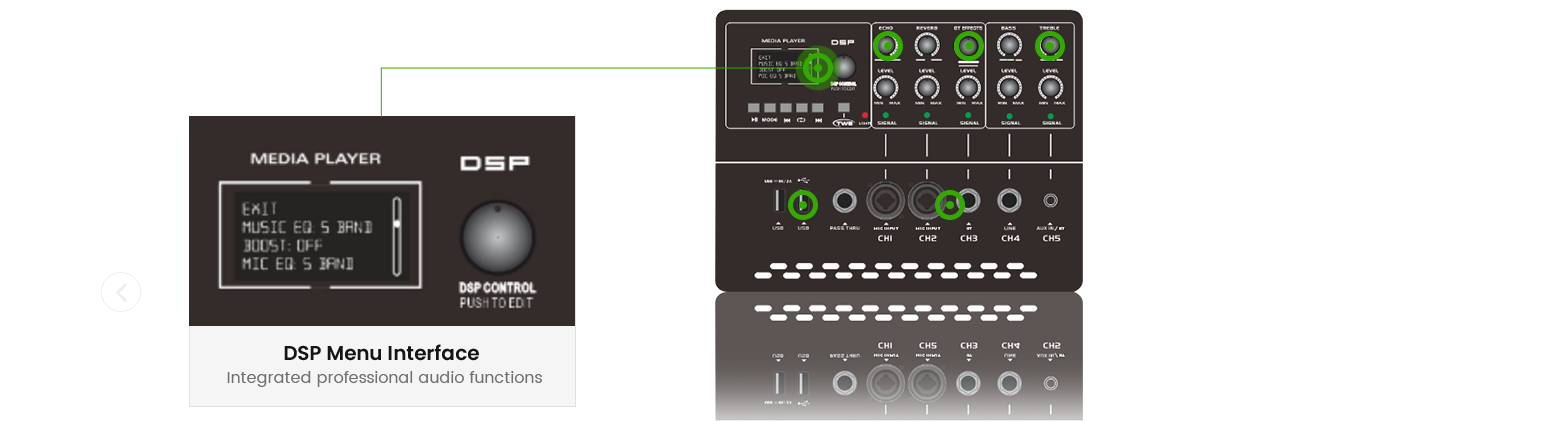
A DSP line array amplifier builds digital signal processing directly into the amplifier chassis, handling tasks such as crossover point selection, time alignment between array elements, limiting to protect the connected cabinets, and preset tuning matched to a specific line array model. This integration reduces the amount of separate outboard processing gear a touring rig needs to carry and configure before a show.
- Built in crossover and equalization presets matched to specific cabinet models
- Time alignment and delay settings for coherent array coverage
- Limiting and protection circuitry tuned to driver and voice coil ratings
- Remote monitoring of amplifier status across a networked rig
- Preset recall for quick changeover between different show configurations
Comparing Class D and Class AB Across Key Factors
The radar chart below lines up Class D and Class AB topology across five practical factors that matter for a working line array rig, using a simple 0 to 10 scale for general comparison. No single topology leads across every axis, which is why the right choice depends on the specific priorities of a given rig and venue.
General comparison across five practical factors, based on typical characteristics referenced for each topology
Selecting a Pro Line Array Amplifier for Concerts and Touring
Choosing a line array amplifier for concerts and other touring work involves more than comparing headline power figures. The points below cover what tends to matter most once an amplifier is actually living inside a road case and traveling between venues.
- Rated output and headroom relative to the connected line array cabinet specifications
- Built in DSP presets matched to the specific cabinet model being used
- Chassis weight and rack depth for the road cases already in service
- Cooling design and fan noise level for both stage and front of house placement
- Networked monitoring and remote control support for larger rigs
- Protection circuitry suited to the impedance load of the connected array
Applications Across Venues and Environments
The demands placed on a Pro Line Array Amplifier shift depending on the venue and environment. The table below outlines common deployment settings and what typically matters most in each one.
| Venue or Environment | Typical Sound Demand | Amplifier Consideration |
|---|---|---|
| Professional Amplifier for Stadiums | High output, wide area coverage | High headroom, DSP driven array tuning |
| Amplifier for Outdoor Sound Systems | Variable weather, long throw distance | Reliable thermal management under heat |
| Concert and Festival Touring | Frequent load in and load out | Lightweight touring power amplifier chassis |
| Houses of Worship | Consistent daily use, moderate output | Steady thermal performance, low fan noise |
| Corporate and Conference | Speech clarity priority | Precise DSP crossover and limiting |
Choosing a Line Array Amplifier Manufacturer
Comparing more than one line array amplifier manufacturer is worth the time before committing to a rig-wide amplifier standard, since the right partner affects long term reliability and support as much as the datasheet specifications do. A few practical points tend to separate a well matched partner from a generic supplier.
- Engineering experience across both Class D and Class AB topologies
- Ability to work with a professional power amplifier supplier relationship over multiple production runs
- Track record supporting touring and installed sound projects across different venue types
- Willingness to provide OEM professional amplifier arrangements for brands building their own product line
- Clear communication on DSP configuration support and firmware updates
- Consistent quality control across production batches
About Ningbo Zhenhai Huage Electronics
Ningbo Zhenhai Huage Electronics Co., Ltd. is a professional audio enterprise integrating research and development, production, and sales, working as a Pro Line Array Amplifier Manufacturer and Pro Line Array Amplifier Factory. For many years, the company has focused on the production of sound mixers, active power amplifiers, microphones, and related electronic components and equipment.
The company specializes in Custom Pro Line Array Amplifier production and related products, and has adhered to a business approach centered on good products, good service, and good reputation over the years. Long term, stable cooperative relationships have been built with partners at home and abroad, and OEM services have been provided for audio brands building their own product lines. With professional design, production, and testing teams in place, products can be customized to match specific customer requirements, and inquiries about collaboration are always welcome.
Frequently Asked Questions
| Q1. What is a line array amplifier It is a power amplifier engineered to drive multiple coupled line array loudspeaker cabinets with the current, headroom, and control needed for coherent long throw sound coverage. |
Q2. What amplifier is best for line array speakers The right amplifier depends on the specific array design, but most current setups pair well with a Class D pro line array amplifier that includes built in DSP for crossover and array tuning. |
| Q3. How do line array amplifiers work They take a line level audio signal, apply DSP processing such as crossover and delay settings, then boost the signal to the voltage and current level needed to drive the connected cabinets. |
Q4. What is DSP in a power amplifier DSP stands for digital signal processing, and inside an amplifier it typically handles crossover points, time alignment, limiting, and preset tuning for a specific array configuration. |
| Q5. What is a Class D amplifier A Class D amplifier uses high frequency switching output devices rather than a continuously conducting linear stage, generally giving it higher efficiency and lower heat output for a given power level. |
Q6. Can any amplifier power a line array system Not reliably, since line arrays generally need sufficient current delivery, protection circuitry, and often DSP control matched to the specific cabinet design and impedance load. |
| Q7. How do you match an amplifier to speakers Matching involves checking impedance compatibility, rated power headroom relative to the speaker rating, and confirming any recommended DSP presets or crossover points from the cabinet design. |
Q8. What amplifier impedance should I choose The amplifier should support the nominal impedance of the connected line array load, commonly 4 or 8 ohms, while leaving enough headroom for the number of cabinets wired together. |