English
 Español
 中文简体
中文简体
Home / News / Industry News / Class H Loudspeaker Amplifier: Is It the Best Choice for High Power and Energy Efficiency?
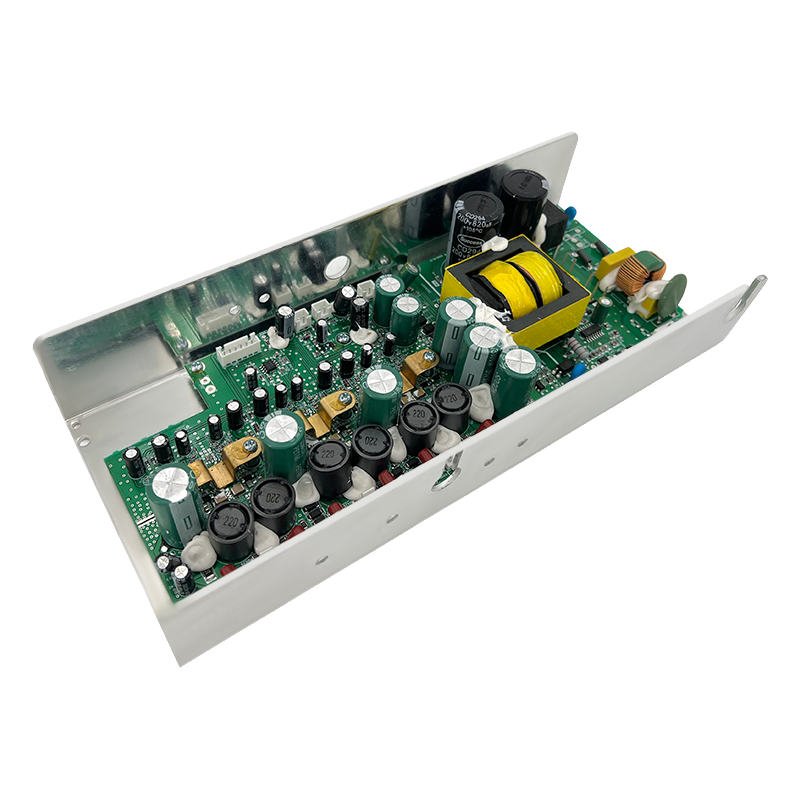
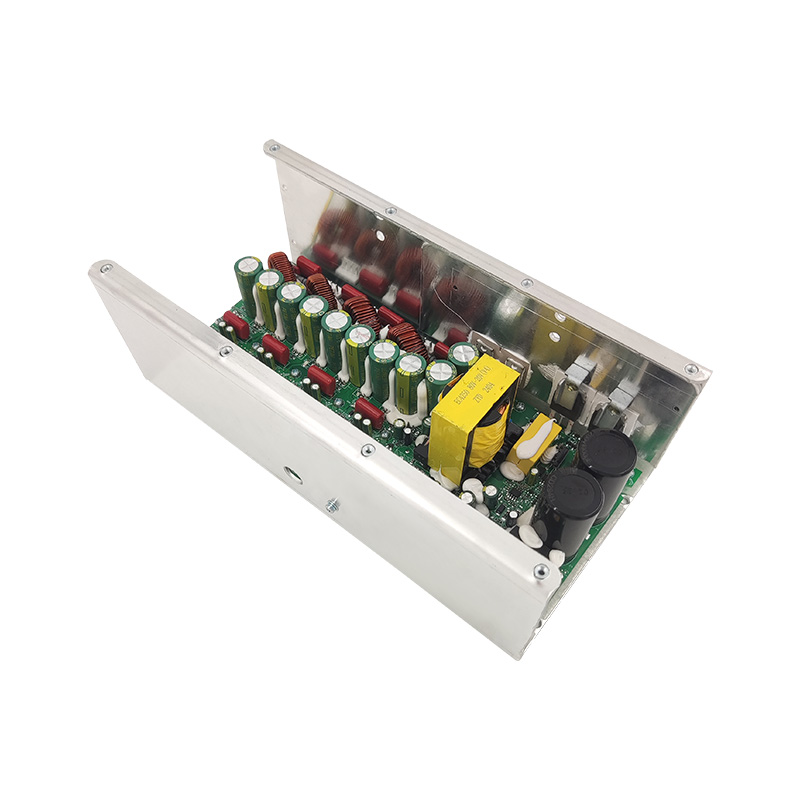
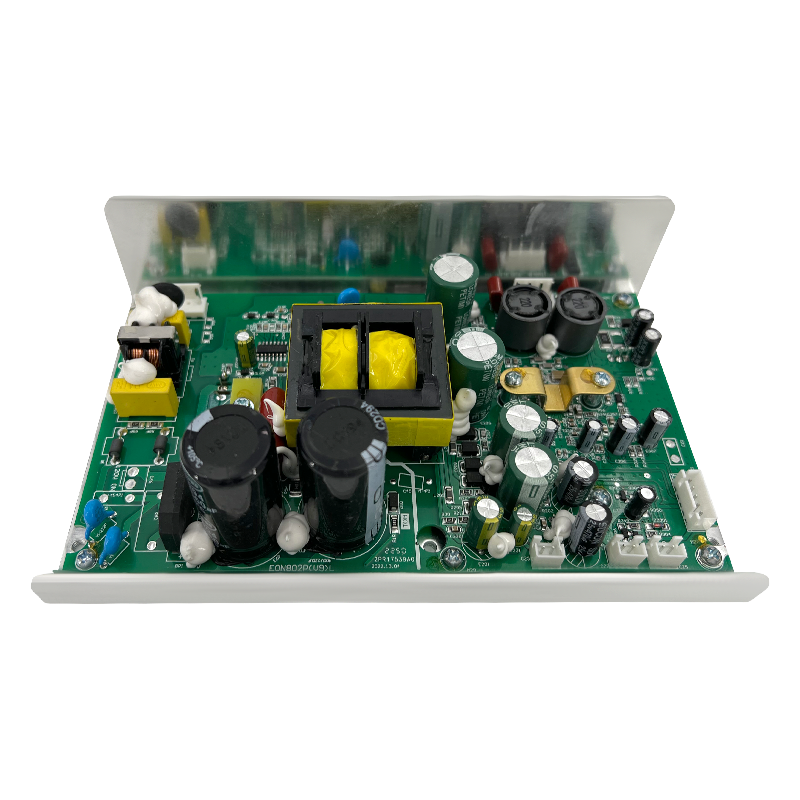
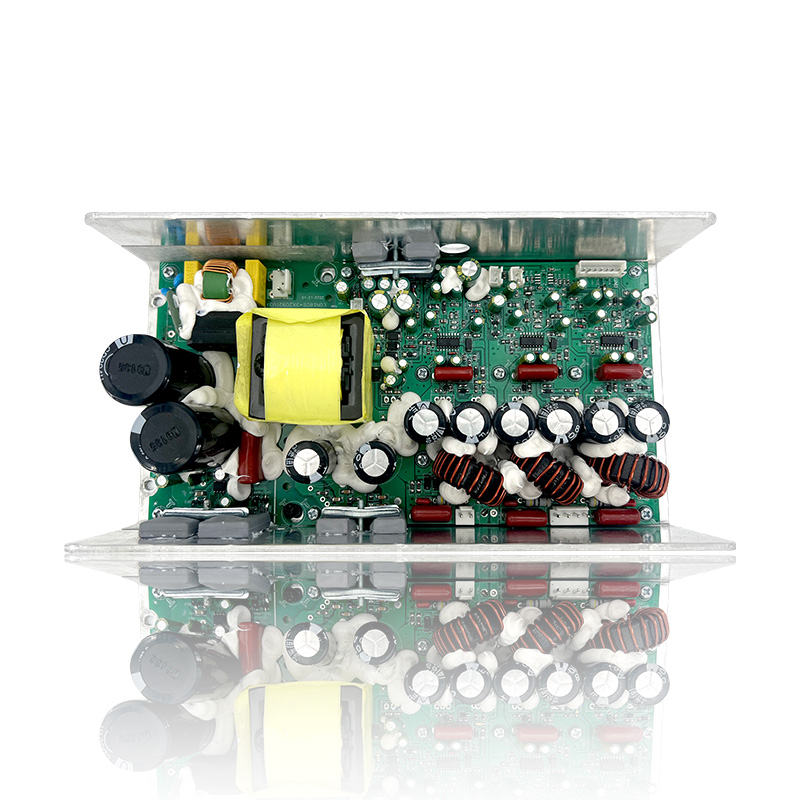
A Class H loudspeaker amplifier is widely used in professional audio systems where high output power and reduced energy consumption are required. By dynamically adjusting power supply voltage, this amplifier topology improves efficiency while maintaining strong sound performance. As demand for powerful yet compact audio systems grows, the Class H loudspeaker amplifier continues to gain popularity.
Content
What Is a Class H Loudspeaker Amplifier?
Short Answer: It is an amplifier design that uses multiple power supply rails to increase efficiency and reduce heat generation.
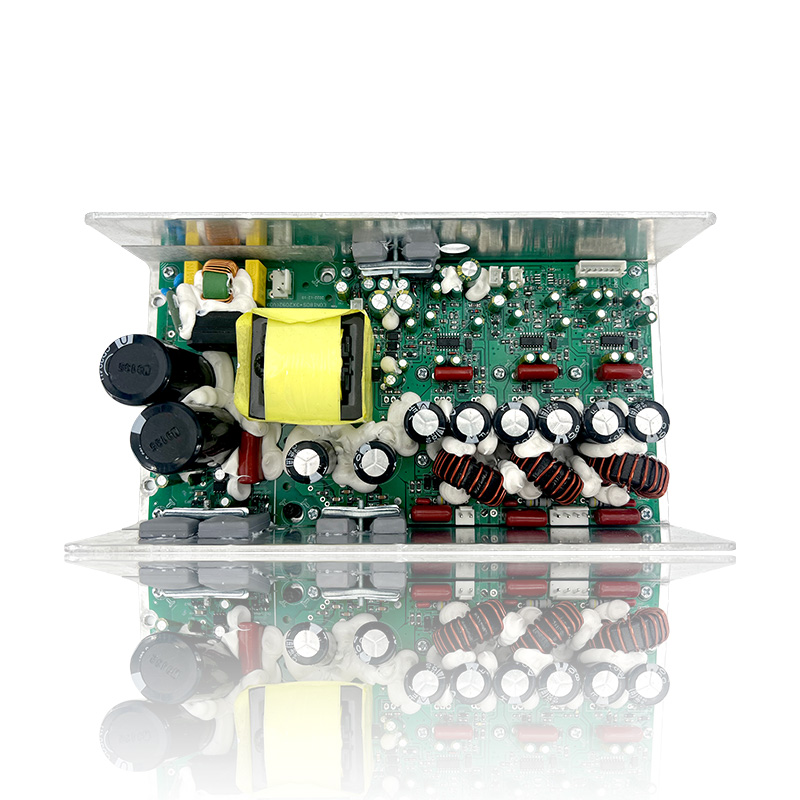
Unlike traditional linear amplifiers, a Class H loudspeaker amplifier automatically switches between different voltage levels depending on signal demand. When audio signals are low, the amplifier operates on a lower voltage rail. When higher output is required, it switches to a higher voltage rail. This smart power management helps reduce energy waste and thermal stress.
Why Choose a Class H Loudspeaker Amplifier?
Short Answer: It offers a balanced combination of high power output, improved efficiency, and reduced heat dissipation.
For applications such as live sound systems, public address installations, and large venues, stable performance is critical. A Class H loudspeaker amplifier delivers consistent power while minimizing energy loss. This allows system designers to reduce cooling requirements and overall equipment size.
- Higher efficiency than traditional linear amplifiers
- Lower operating temperature
- Strong output power capability
- Improved long-term reliability
How Does a Class H Loudspeaker Amplifier Improve Performance?
Short Answer: It adapts power usage based on signal demand to optimize efficiency.
During low-volume playback, the amplifier consumes less power and generates less heat. When high-volume peaks occur, the system instantly switches to higher voltage rails to provide enough headroom. This dynamic behavior allows the amplifier to maintain sound clarity while avoiding unnecessary energy loss.
How Does Class H Compare with Other Amplifier Types?
Short Answer: It delivers better efficiency than traditional linear designs while maintaining high audio performance.
The bar chart below illustrates typical efficiency levels of different amplifier classes under similar operating conditions:
| Amplifier Type | Efficiency Visualization |
| Class A |
|
| Class AB |
|
| Class H |
|
Where Are Class H Loudspeaker Amplifiers Commonly Used?
Short Answer: They are widely applied in professional audio, live events, and large-scale sound systems.
Due to their high power handling and efficient design, Class H loudspeaker amplifiers are suitable for stadiums, theaters, conference halls, and touring sound systems. Their ability to maintain performance under heavy workloads makes them ideal for demanding audio environments.
FAQ: Class H Loudspeaker Amplifier
Q1: Is a Class H loudspeaker amplifier suitable for home audio systems?
Answer: Yes, it can be used at home, especially for high-power setups, but it is more common in professional environments.
Answer: Yes, it can be used at home, especially for high-power setups, but it is more common in professional environments.
Q2: Does Class H affect sound quality?
Answer: When properly designed, it delivers clean and stable audio performance comparable to other high-quality amplifier types.
Answer: When properly designed, it delivers clean and stable audio performance comparable to other high-quality amplifier types.
Q3: How does Class H reduce heat generation?
Answer: By adjusting voltage levels dynamically, it avoids unnecessary power loss and reduces thermal output.
Answer: By adjusting voltage levels dynamically, it avoids unnecessary power loss and reduces thermal output.
Q4: Is maintenance required for Class H amplifiers?
Answer: Regular ventilation checks and dust removal help maintain stable long-term operation.
Answer: Regular ventilation checks and dust removal help maintain stable long-term operation.
A Class H loudspeaker amplifier offers an excellent balance of power, efficiency, and reliability, making it a smart choice for modern high-performance audio systems.