English
 Español
 中文简体
中文简体
Home / News / Industry News / Is a Class H Loudspeaker Amplifier the Best Choice for High-Power Audio Systems?
The direct answer: Yes, a Class H loudspeaker amplifier is one of the most efficient solutions for high-power audio applications. It can achieve 70%–85% energy efficiency, reduce heat generation by up to 40% compared to traditional Class AB amplifiers, and deliver stable high-output power with lower operating costs.
Content
- 1 What Is a Class H Loudspeaker Amplifier?
- 2 Why Are Class H Amplifiers More Efficient Than Traditional Designs?
- 3 How Does a Class H Amplifier Affect Sound Quality?
- 4 How Do Class H Amplifiers Compare With Other Amplifier Classes?
- 5 Where Are Class H Loudspeaker Amplifiers Most Commonly Used?
- 6 FAQ: Class H Loudspeaker Amplifier Common Questions
What Is a Class H Loudspeaker Amplifier?
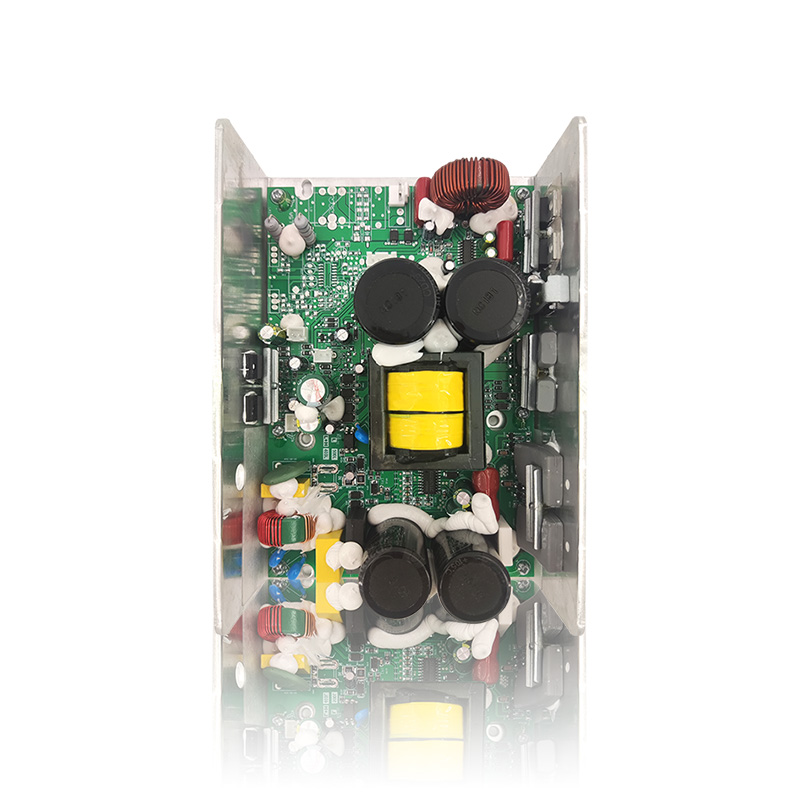
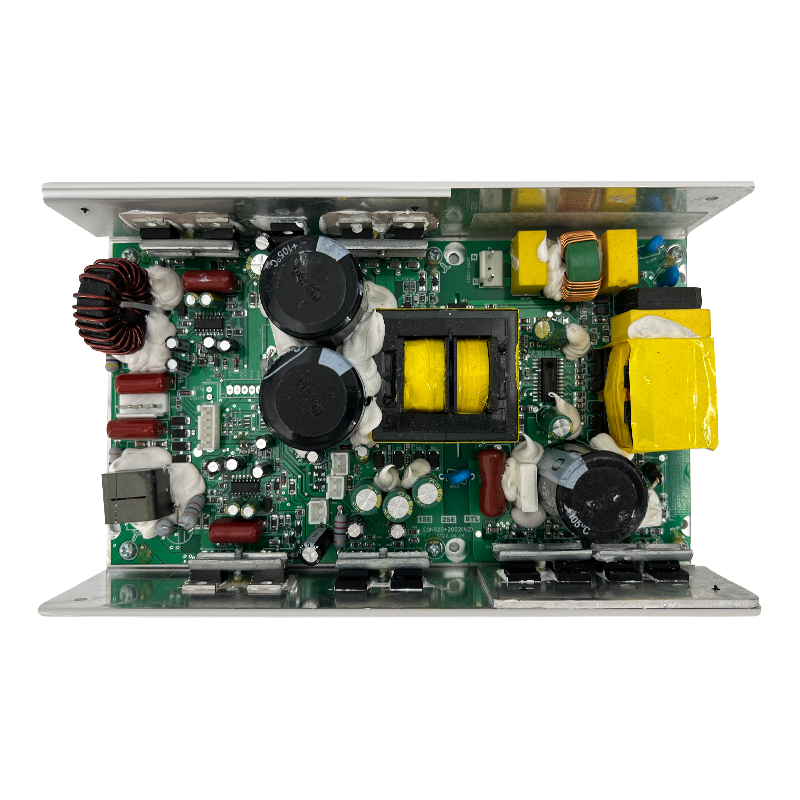
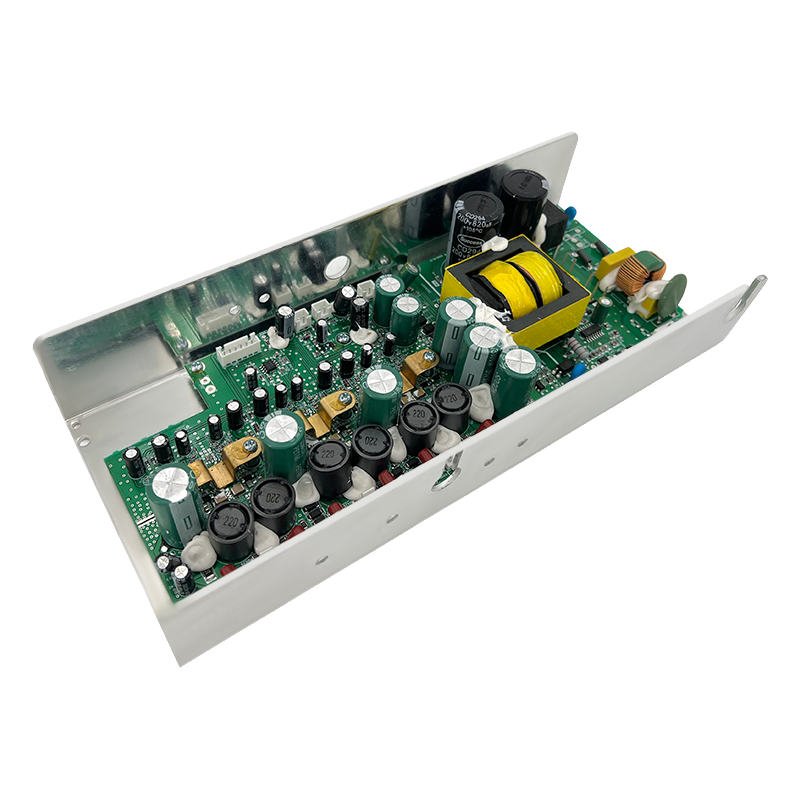
A Class H loudspeaker amplifier is an advanced linear amplifier design that improves upon Class AB technology by using multiple power supply voltage rails. The amplifier dynamically switches between these voltage levels based on the audio signal amplitude, minimizing wasted energy and heat dissipation.
How It Works
- Low voltage rails handle small audio signals for efficiency
- High voltage rails activate only during peak output demands
- Automatic rail switching reduces power loss
This adaptive power design makes Class H amplifiers ideal for systems that require both high sound quality and high output power.
Why Are Class H Amplifiers More Efficient Than Traditional Designs?
Traditional Class AB amplifiers operate at a constant supply voltage, which causes significant power dissipation as heat. Class H amplifiers minimize this inefficiency by matching the supply voltage to the signal level.
Efficiency Benefits
- Up to 30% less power loss during typical audio playback
- Lower operating temperature improves component lifespan
- Reduced cooling system requirements
In large PA systems, this efficiency improvement can translate into hundreds of watts of energy savings per amplifier unit.
How Does a Class H Amplifier Affect Sound Quality?
A common concern is whether rail-switching affects audio fidelity. Modern Class H designs use fast-switching circuits and precision control to ensure smooth transitions.
Audio Performance Characteristics
- Total Harmonic Distortion (THD) typically below 0.05%
- High signal-to-noise ratio above 100 dB
- Stable output under heavy load conditions
These figures make Class H amplifiers suitable for professional audio applications where clarity and reliability are critical.
How Do Class H Amplifiers Compare With Other Amplifier Classes?
Choosing the right amplifier class depends on efficiency, sound quality, and application requirements. The table below shows a practical comparison.
| Class Type | Efficiency | Sound Quality | Typical Use Case |
|---|---|---|---|
| Class AB | 50%–60% | High | Home and studio audio |
| Class H | 70%–85% | High | Professional PA systems |
| Class D | 85%–95% | Medium–High | Portable and compact systems |
Class H amplifiers provide an excellent balance between efficiency and sound fidelity.
Where Are Class H Loudspeaker Amplifiers Most Commonly Used?
Class H amplifiers are widely used in applications that require sustained high output and reliability.
- Concert and touring sound systems
- Large venue PA installations
- Cinema sound reinforcement
- Broadcast and event production
Their ability to deliver high power without excessive heat makes them ideal for rack-mounted professional environments.
FAQ: Class H Loudspeaker Amplifier Common Questions
Is Class H better than Class D for professional audio?
It depends on the application. Class H offers better linear sound characteristics, while Class D provides higher efficiency and lighter weight. Many professionals choose Class H for critical sound reinforcement.
Do Class H amplifiers require special cooling?
They generate less heat than Class AB amplifiers, but active cooling such as fans is still recommended for high-power continuous operation.
Are Class H amplifiers suitable for subwoofers?
Yes. Their high output capability and stable power delivery make them well-suited for driving subwoofers and low-frequency systems.
What is the typical power range of Class H amplifiers?
Professional Class H amplifiers commonly range from 500W to over 5000W per channel, depending on design and application requirements.