English
 Español
 中文简体
中文简体
Class H amplifiers deliver superior energy efficiency compared to Class A, B, AB, and D designs by dynamically tracking the audio signal and adjusting the supply voltage in real time. This makes Class H loudspeaker amplifiers the preferred choice for professional touring sound, installed audio systems, and high-demand live performance environments where thermal management and power consumption are critical concerns. In short: if efficiency and audio performance must coexist at high power levels, Class H is consistently the most balanced solution available today.
Content
- 1 What Is Class H Amplifier Technology?
- 2 How Class H Compares to Other Amplifier Classes
- 3 Class H Amplifier Efficiency: The Numbers That Matter
- 4 Class H Audio Performance: Sonic Characteristics
- 5 Energy-Saving Audio Amplifiers: Real-World Impact
- 6 Class H vs. Class D: A Closer Look
- 7 Key Applications for Class H Loudspeaker Amplifiers
- 8 Interactive Efficiency Estimator
- 9 Limitations and Design Considerations
- 10 Frequently Asked Questions
- 10.1 Q1: Is Class H better than Class D for professional audio?
- 10.2 Q2: How does Class H amplifier efficiency affect operating costs in a venue?
- 10.3 Q3: Does Class H technology affect sound quality compared to Class AB?
- 10.4 Q4: Can Class H amplifiers meet modern energy efficiency regulations?
- 10.5 Q5: What is the main difference between Class G and Class H amplifiers?
What Is Class H Amplifier Technology?
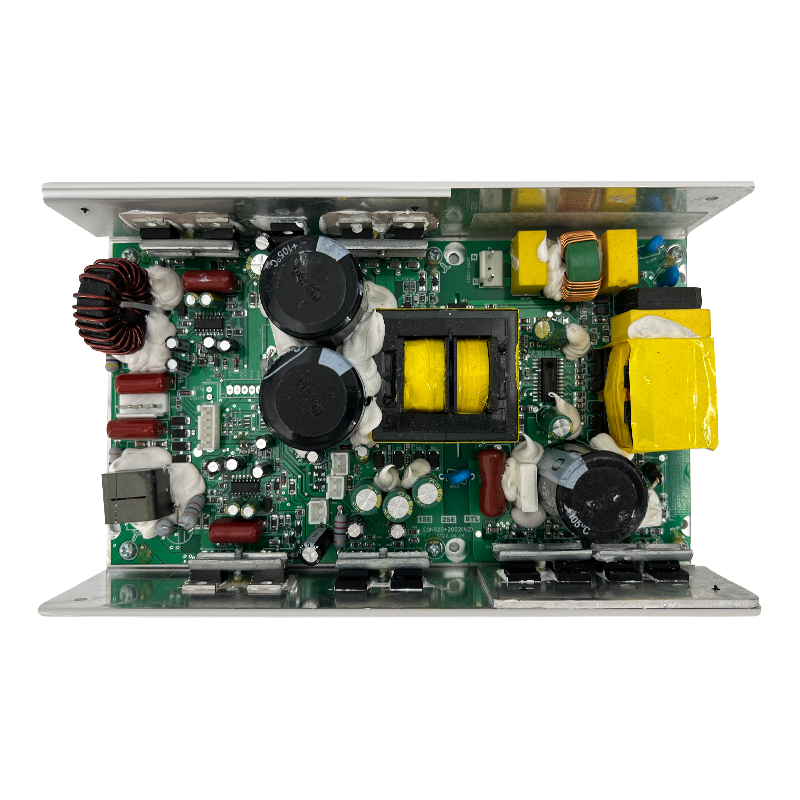
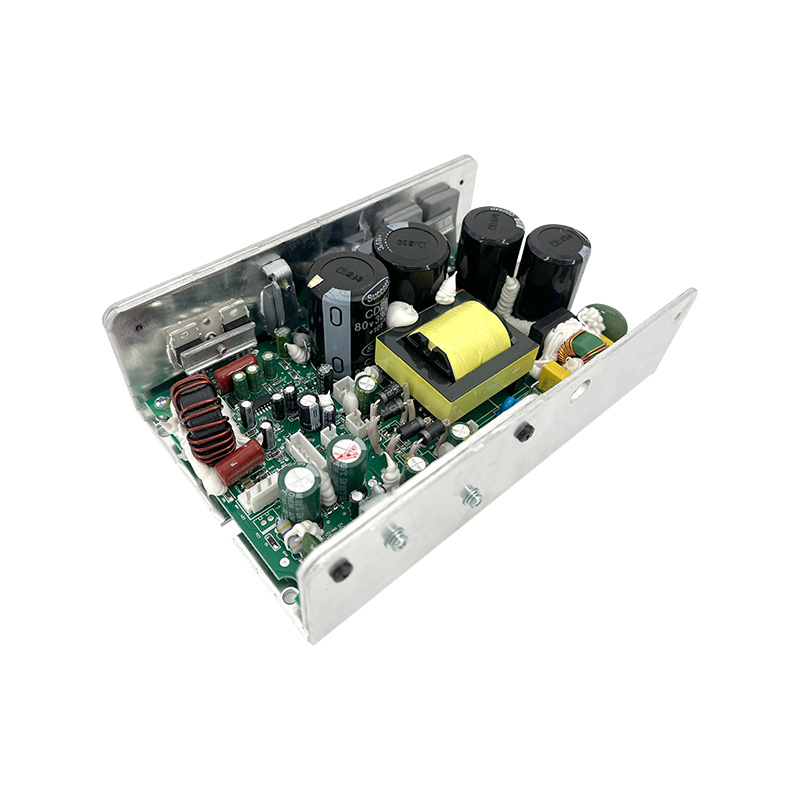
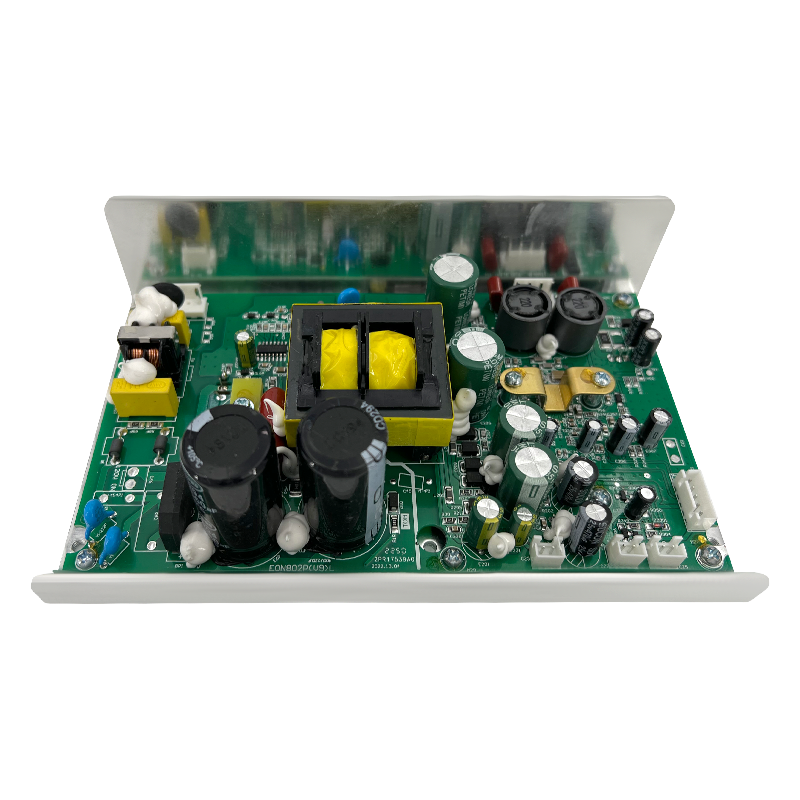
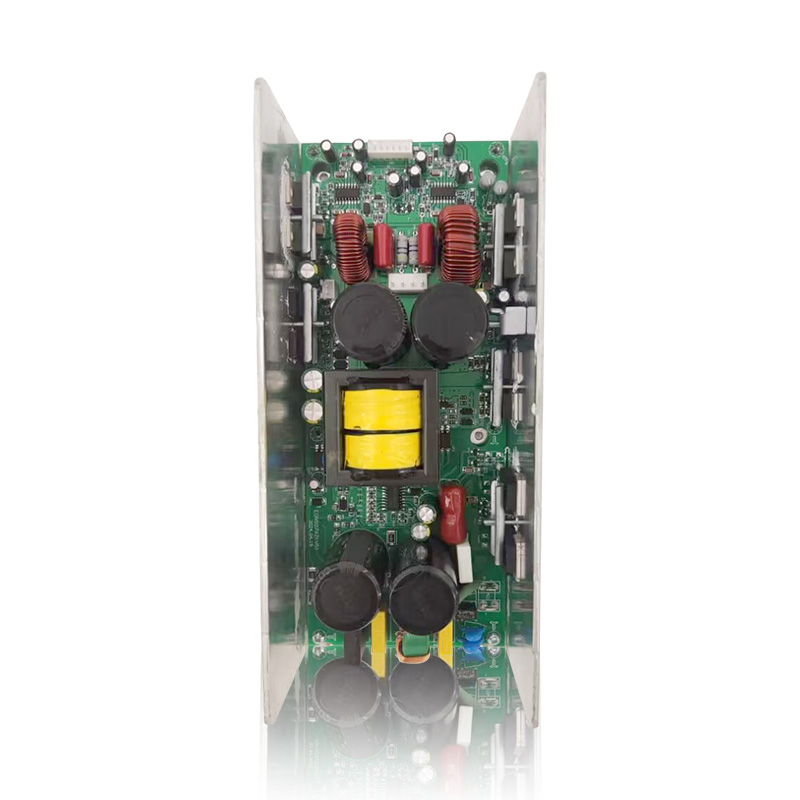
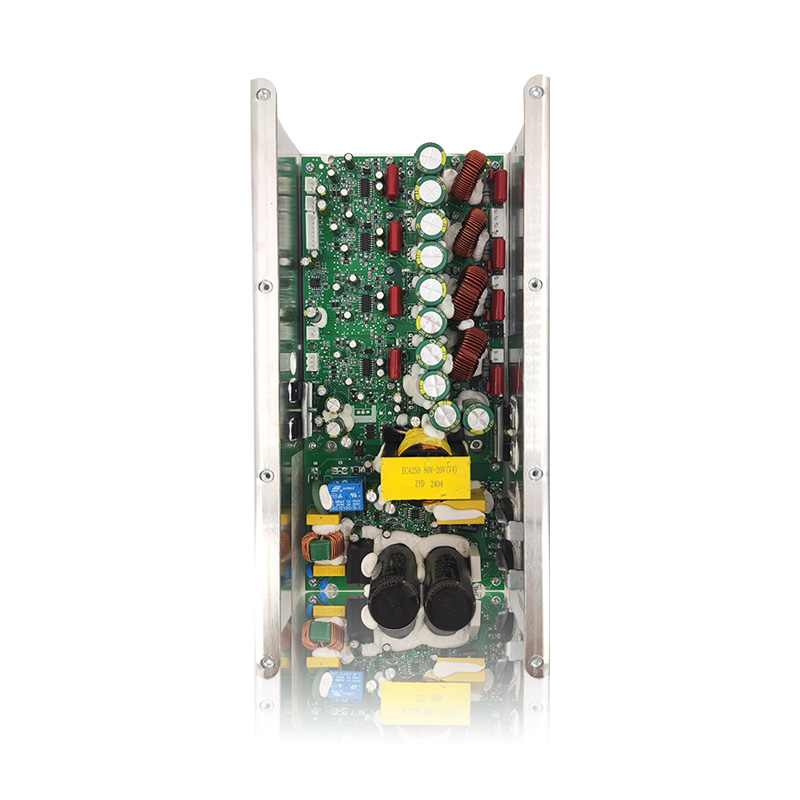
A Class H amplifier is a refined evolution of Class AB topology. It uses a multi-rail or continuously variable power supply that modulates the supply voltage to stay just above the instantaneous audio signal level. Rather than maintaining a fixed high-voltage rail at all times, the amplifier "rides" the signal envelope — dramatically reducing the voltage headroom wasted as heat during low-level passages.
This rail-switching mechanism is the defining characteristic of Class H audio performance. Two or more supply rails (for example, 35V and 90V) are selected dynamically. When the signal is quiet, only the lower rail is active. When transient peaks demand more voltage, the higher rail engages — typically within microseconds. The result is a dramatic reduction in idle and average dissipation without sacrificing peak power capability.
Modern Class H loudspeaker amplifier designs may also implement continuous envelope tracking rather than discrete steps, further smoothing the transition and minimizing any artifacts introduced by rail switching.
How Class H Compares to Other Amplifier Classes
Understanding Class H amplifier efficiency requires placing it in context alongside the most common amplifier topologies used in audio today.
| Amplifier Class | Typical Efficiency | Heat Dissipation | Audio Linearity | Best Use Case |
|---|---|---|---|---|
| Class A | 15–35% | Very High | Excellent | High-end home audio |
| Class B | 65–75% | Moderate | Poor (crossover distortion) | Rarely used alone |
| Class AB | 50–70% | Moderate–High | Good | General-purpose audio |
| Class H | 70–90% | Low–Moderate | Very Good | Pro audio, touring, PA |
| Class D | 85–95% | Very Low | Good (with filtering) | Portable, subwoofers, DSP systems |
Class H occupies a strategic position in the amplifier landscape: it achieves efficiency figures rivaling Class D while maintaining the analog signal path and linearity associated with Class AB. For applications where sonic purity and reliability under sustained high-output conditions both matter, this is a compelling combination.
Class H Amplifier Efficiency: The Numbers That Matter
Efficiency is the primary engineering argument for Class H. Consider a 1000W rated amplifier operating under typical music program material, where average power output is roughly 10–15% of peak:
- A Class AB design at 60% efficiency would dissipate approximately 667W as heat at full output.
- A Class H design at 85% efficiency reduces heat dissipation to roughly 176W under real-world music conditions.
- Over an 8-hour live event, this difference translates to approximately 3.9 kWh saved per amplifier channel — significant in large-scale installations with dozens of amplifiers.
Reduced heat generation also extends component lifespan. Electrolytic capacitors, output transistors, and power transformers all degrade faster at elevated temperatures. Lower operating temperatures in energy-saving audio amplifiers based on Class H topology can extend mean time between failures (MTBF) by a measurable margin.
Class H Audio Performance: Sonic Characteristics
Class H audio performance is consistently rated among the highest of any analog-path topology. Because the output stage is fundamentally Class AB — with the addition of dynamic supply modulation — the inherent sonic signature is clean, low-distortion, and linear across the audible spectrum.
Total Harmonic Distortion (THD)
Well-designed Class H loudspeaker amplifiers typically achieve THD figures below 0.05% at rated power, with many professional-grade designs measuring below 0.01% across the 20Hz–20kHz band. This is comparable to the best Class AB designs and significantly better than early Class D implementations, which often struggled above 10kHz due to switching artifacts.
Damping Factor and Load Stability
Class H amplifiers maintain high damping factors — commonly 200 to over 1000 — which provides tight control over loudspeaker cone motion and contributes to accurate bass reproduction. Unlike Class D amplifiers, Class H designs do not require output low-pass filters, which eliminates one potential source of impedance variation and phase shift at high frequencies.
Transient Response
The rail-switching speed in Class H designs — often less than 5 microseconds in modern implementations — ensures that transient peaks are handled cleanly without clipping or rail-sag artifacts. This is a measurable advantage over fixed-rail Class AB designs operating near their thermal limits, where supply sag under burst conditions can introduce low-frequency intermodulation distortion.
Energy-Saving Audio Amplifiers: Real-World Impact
The push toward energy-saving audio amplifiers is not purely technical — it is increasingly driven by regulatory standards, sustainability mandates, and operational cost management in professional audio installations.
Standards such as the EU's ErP (Energy-related Products) Directive and California's Title 20 regulations now impose standby and idle power limits on audio amplifiers. Class H designs consistently achieve compliance with these standards more readily than Class AB counterparts due to their lower idle dissipation.
In a stadium or arena installation with 64 amplifier channels, the cumulative reduction in heat dissipation offered by Class H technology can meaningfully reduce HVAC load — a non-trivial operational consideration in venues where climate control represents a major energy overhead.
Class H vs. Class D: A Closer Look
Class D is the most common competitor to Class H in the professional audio market. Both are considered energy-saving audio amplifiers, but their approaches differ fundamentally:
- Signal path: Class H uses a linear analog output stage. Class D switches transistors on and off at high frequency (typically 300kHz–1MHz) and reconstructs the signal with an output filter.
- EMI: Class D amplifiers generate significant high-frequency electromagnetic interference that requires careful shielding and filtering. Class H produces negligible switching noise.
- Output filter interaction: Class D's required output filter interacts with loudspeaker impedance, causing frequency response variations. Class H has no output filter and therefore no such interaction.
- Weight and size: Class D is generally lighter and more compact due to smaller power supplies and heatsinks, which is advantageous for portable and touring applications.
- Ruggedness: Class H designs tend to be more tolerant of marginal or reactive loads, making them preferable in installed systems where loudspeaker impedance characteristics may be complex.
For critical listening environments, broadcast facilities, and fixed installations where sonic integrity and load tolerance are paramount, Class H remains the preferred choice even where Class D is available at comparable power levels.
Key Applications for Class H Loudspeaker Amplifiers
Class H loudspeaker amplifiers are particularly well-suited for scenarios that combine high sustained output with long operating hours:
- Live concert touring: Racks of amplifiers run continuously for hours. Reduced heat dissipation lowers cooling requirements and improves reliability on the road.
- Permanent installation (churches, theatres, arenas): Energy compliance, operational cost, and low-maintenance operation are all served by Class H amplifier efficiency.
- Broadcast and studio monitoring: Where absolute accuracy and minimal coloration are required, Class H audio performance provides the necessary transparency.
- Theme parks and large attractions: High uptime requirements and ambient temperature management benefit from the lower idle dissipation of Class H designs.
- High-power subwoofer amplification: Sustained bass program material drives average power levels higher than full-range content, making efficiency gains more significant.
Interactive Efficiency Estimator
Use the tool below to estimate heat dissipation savings when switching from Class AB to Class H in a real installation.
Limitations and Design Considerations
Class H is not universally the correct choice. Several factors may favor alternative topologies:
- Complexity: The multi-rail power supply and envelope detection circuitry add design complexity and component count compared to simple Class AB designs.
- Weight: Linear power supplies in Class H designs are heavier than switch-mode supplies used in Class D. For portable touring applications, this may be a deciding factor.
- Cost of implementation: Multi-rail supply engineering increases manufacturing complexity. This may not be justified in lower-power consumer applications.
- Rail switching artifacts: Poorly implemented Class H designs can introduce audible artifacts at rail transition points. Careful design of detection speed and hysteresis is essential to avoid this.
When these limitations are addressed through careful engineering, the Class H loudspeaker amplifier consistently delivers an outstanding combination of efficiency and sonic performance that is difficult to match with other topologies in high-power professional environments.
Frequently Asked Questions
Q1: Is Class H better than Class D for professional audio?
A1: It depends on priorities. Class H offers superior load tolerance, no output filter interaction, and lower EMI, making it preferred for critical listening and complex loudspeaker loads. Class D is lighter and slightly more efficient, which benefits portable touring systems. For fixed professional installations, Class H audio performance is generally the preferred choice.
Q2: How does Class H amplifier efficiency affect operating costs in a venue?
A2: Class H reduces heat dissipation by roughly 60–70% compared to Class AB under real-world music content. In a venue with many amplifier channels operating daily, this reduction in wasted energy and heat output lowers both electricity consumption and HVAC load, contributing to meaningful operational savings over time.
Q3: Does Class H technology affect sound quality compared to Class AB?
A3: When properly designed, Class H produces audio performance that is indistinguishable from — or superior to — Class AB. The rail-switching mechanism operates faster than any audible event, and THD figures in well-engineered Class H loudspeaker amplifiers are typically below 0.05%, comparable to the best Class AB designs.
Q4: Can Class H amplifiers meet modern energy efficiency regulations?
A4: Yes. Energy-saving audio amplifiers based on Class H topology typically comply with EU ErP directives and similar regional standards due to their low idle dissipation. This makes them a suitable choice for new installations where regulatory compliance is a requirement.
Q5: What is the main difference between Class G and Class H amplifiers?
A5: Class G uses two or more discrete supply rails that switch in steps based on signal level. Class H uses a continuously variable or closely tracked supply voltage that follows the signal envelope more precisely. Class H is generally considered a more refined and higher-performing evolution of the Class G approach, offering smoother transitions and lower distortion at rail crossover points.