English
 Español
 中文简体
中文简体
Direct Answer: Choosing the right DSP25/DSP24 Series Active Speaker Amplifier comes down to matching output power and channel configuration to your speaker cabinet impedance and application scale, then confirming that the built-in DSP processing, input/output connectivity, and protection features align with your system requirements. The DSP24 suits two-way active systems and medium-power applications, while the DSP25 is designed for higher-output three-way or bi-amplified configurations. Both deliver onboard digital signal processing that eliminates the need for external crossovers or equalisers.
This guide covers the key specifications, application scenarios, DSP feature sets, and practical selection criteria you need to make a confident decision when specifying a professional active speaker amplifier from the DSP25/DSP24 series.
Content
- 1 What Is the DSP25/DSP24 Series Active Speaker Amplifier?
- 2 DSP24 vs DSP25: Core Specification Differences
- 3 Understanding the DSP Feature Set and Why It Matters
- 4 Matching the Right Model to Your Application
- 5 Key Technical Criteria for Selecting the Right Model
- 6 Installation, Integration, and Configuration Best Practices
- 7 When to Specify a Custom Active Speaker Amplifier
- 8 Frequently Asked Questions
What Is the DSP25/DSP24 Series Active Speaker Amplifier?
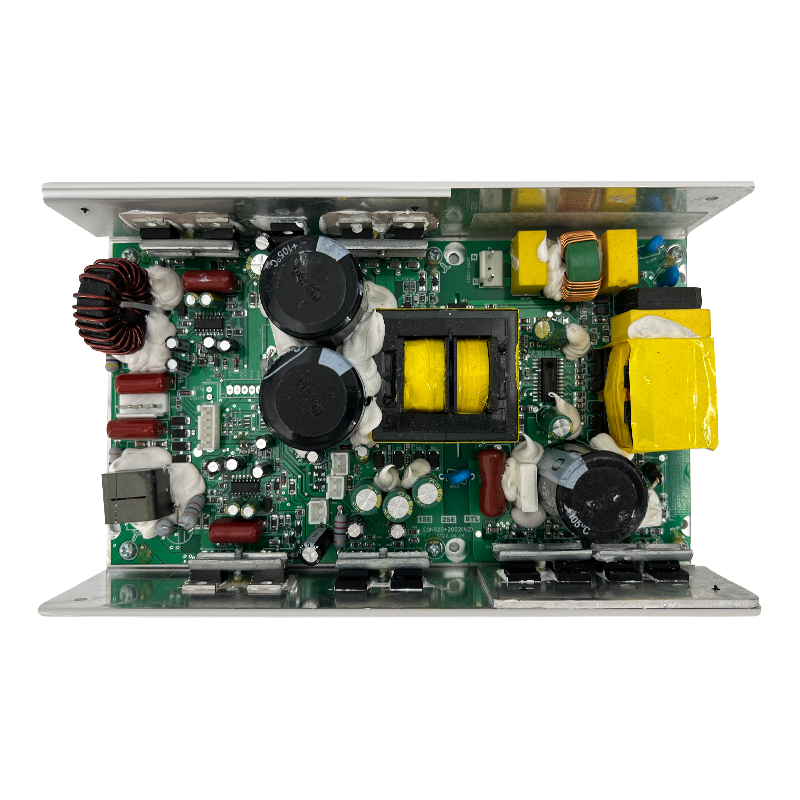
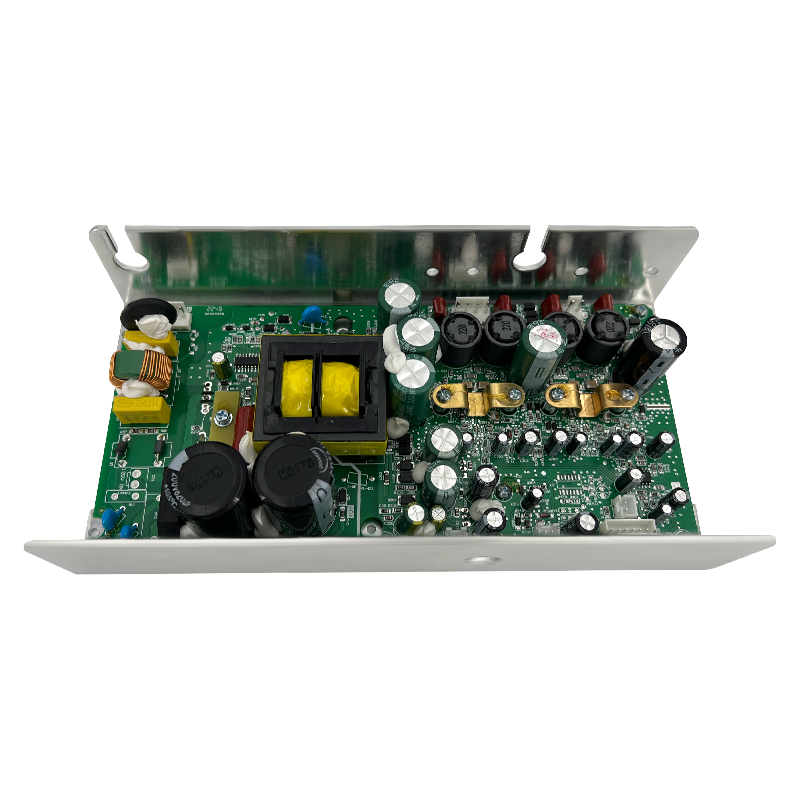
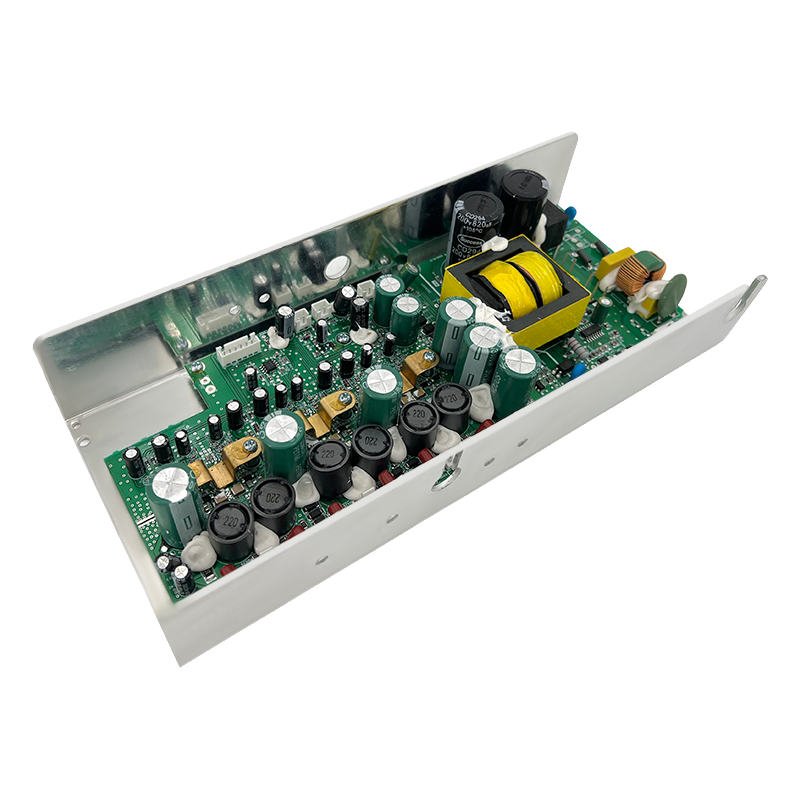
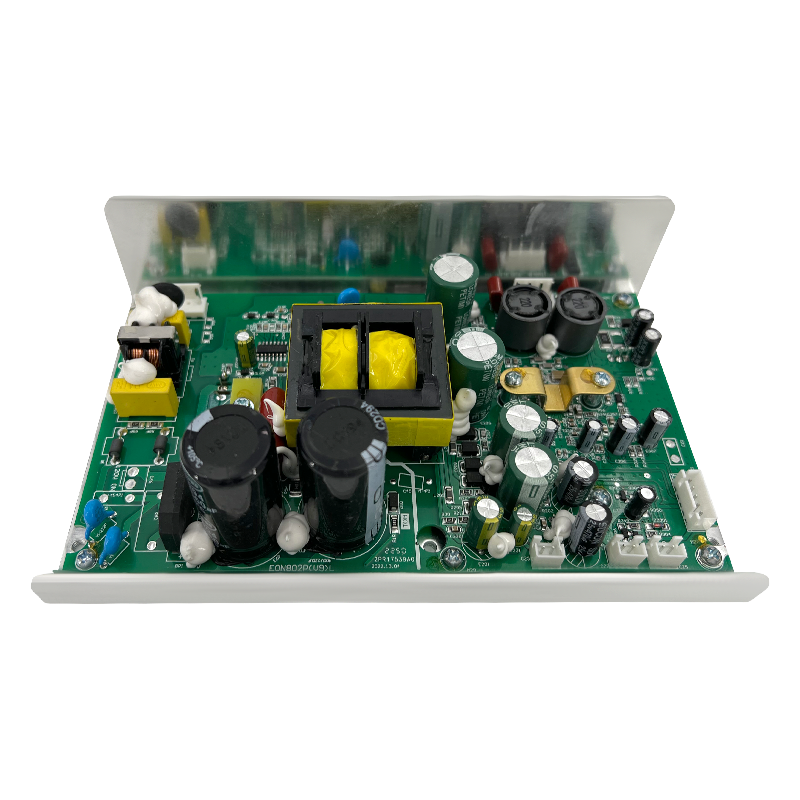
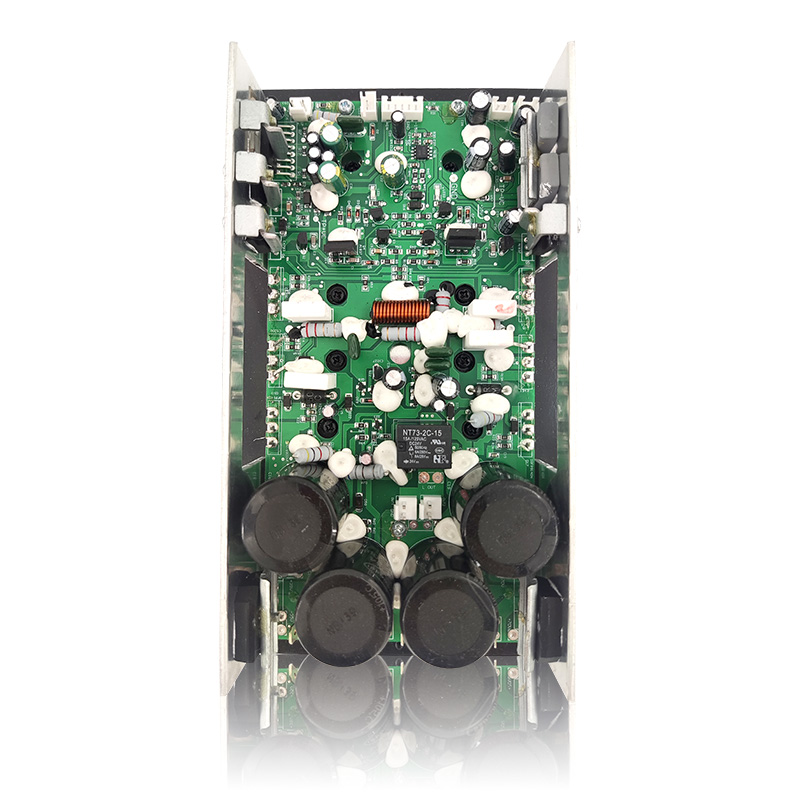
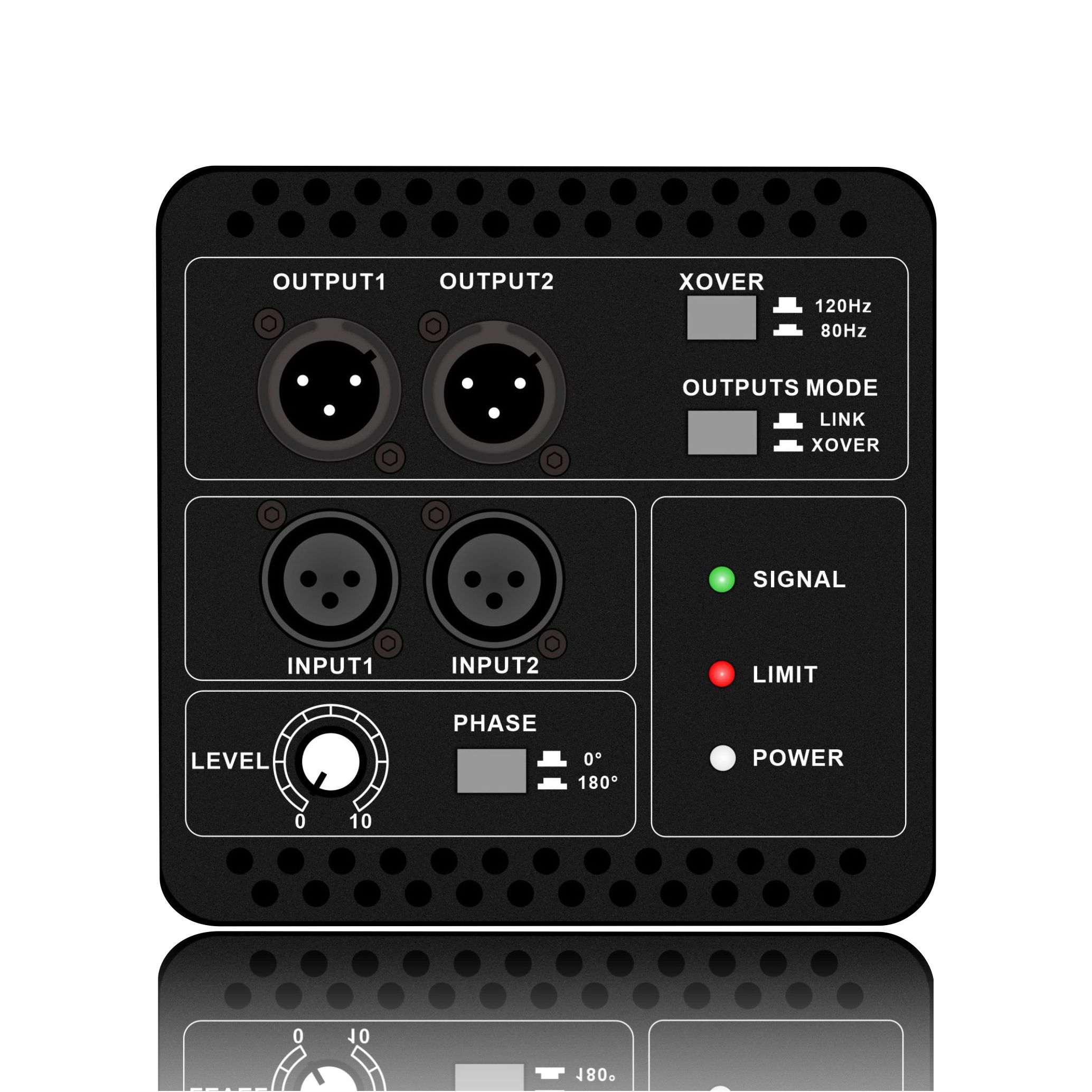
The DSP25/DSP24 series represents a category of DSP powered speaker amplifiers designed for integration inside active loudspeaker enclosures or as plate amplifiers mounted directly to speaker cabinets. Unlike traditional passive systems that rely on external amplifiers and analogue crossovers, a DSP powered speaker amplifier combines the amplifier power stages, digital crossover, parametric equaliser, limiter, and protection circuitry into a single compact module.
This integration reduces system wiring complexity, eliminates signal degradation across long analogue crossover chains, and enables precise, software-configurable tuning of the loudspeaker system. In professional audio, the result is tighter transient response, more accurate frequency balance, and better protection of driver components compared to passive filter designs.
- DSP24: typically a two-channel or 2-way active amplifier module — suited to full-range, two-way (woofer + tweeter), or subwoofer applications
- DSP25: typically a multi-channel configuration supporting three-way or bi-amplified cabinets, or higher total output power per chassis
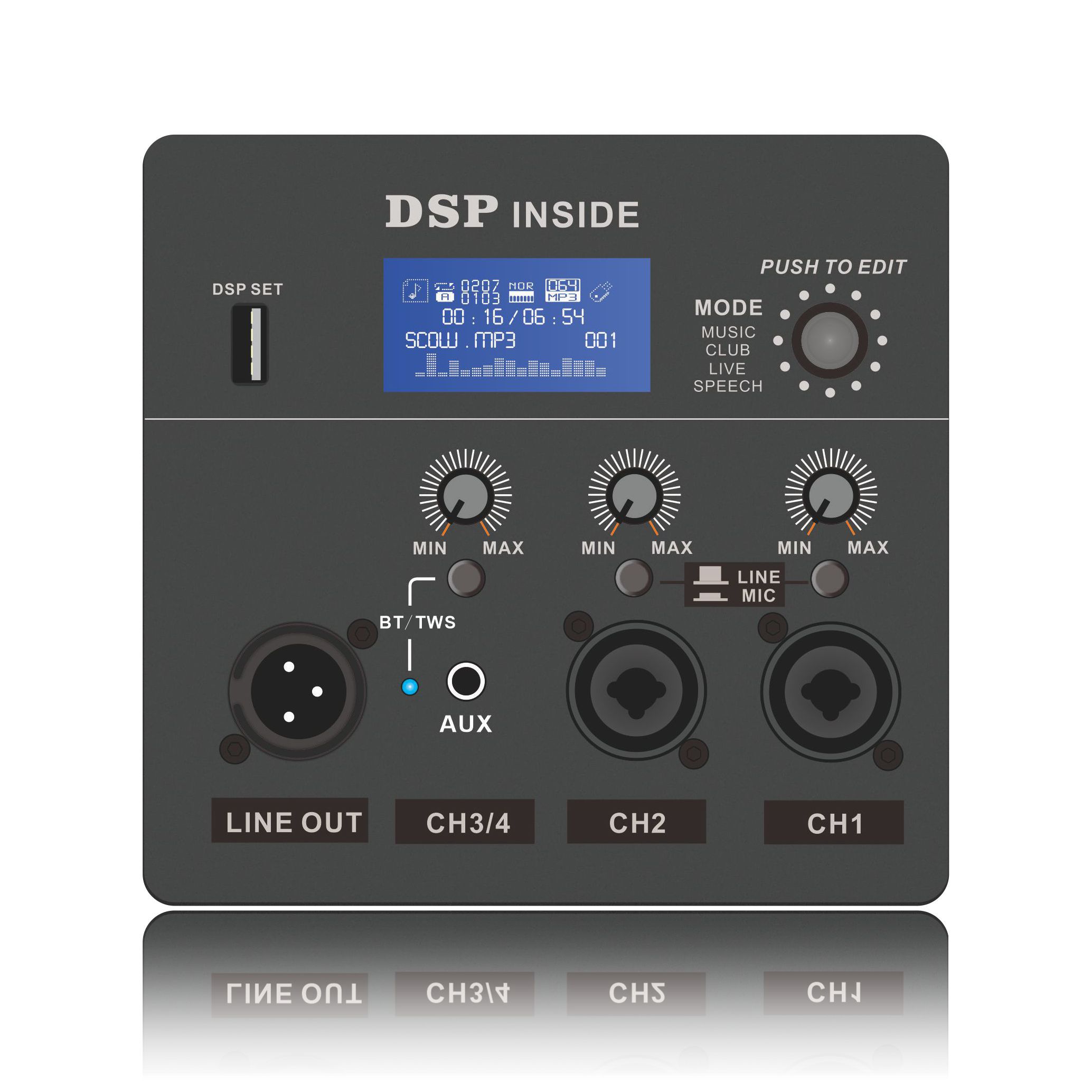
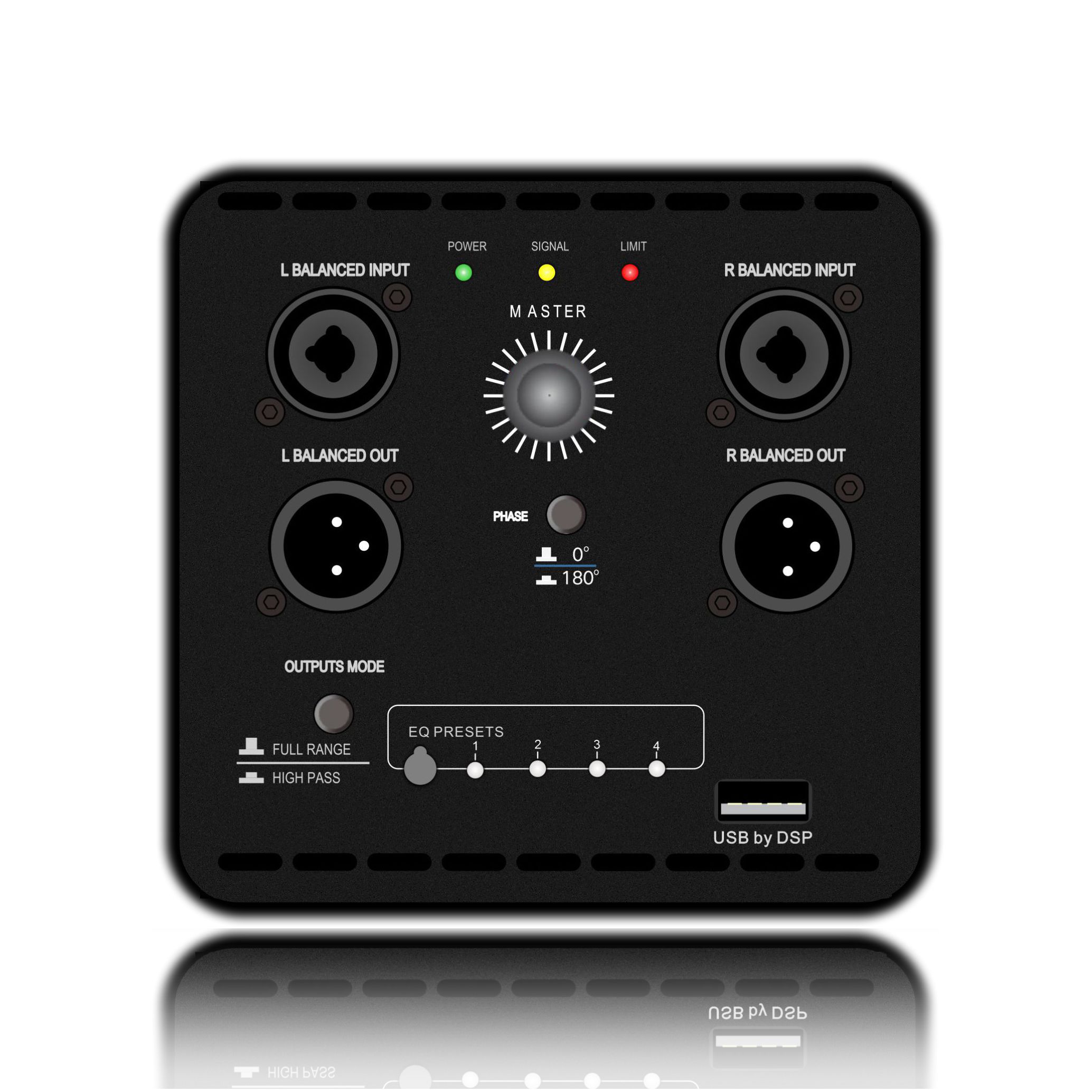
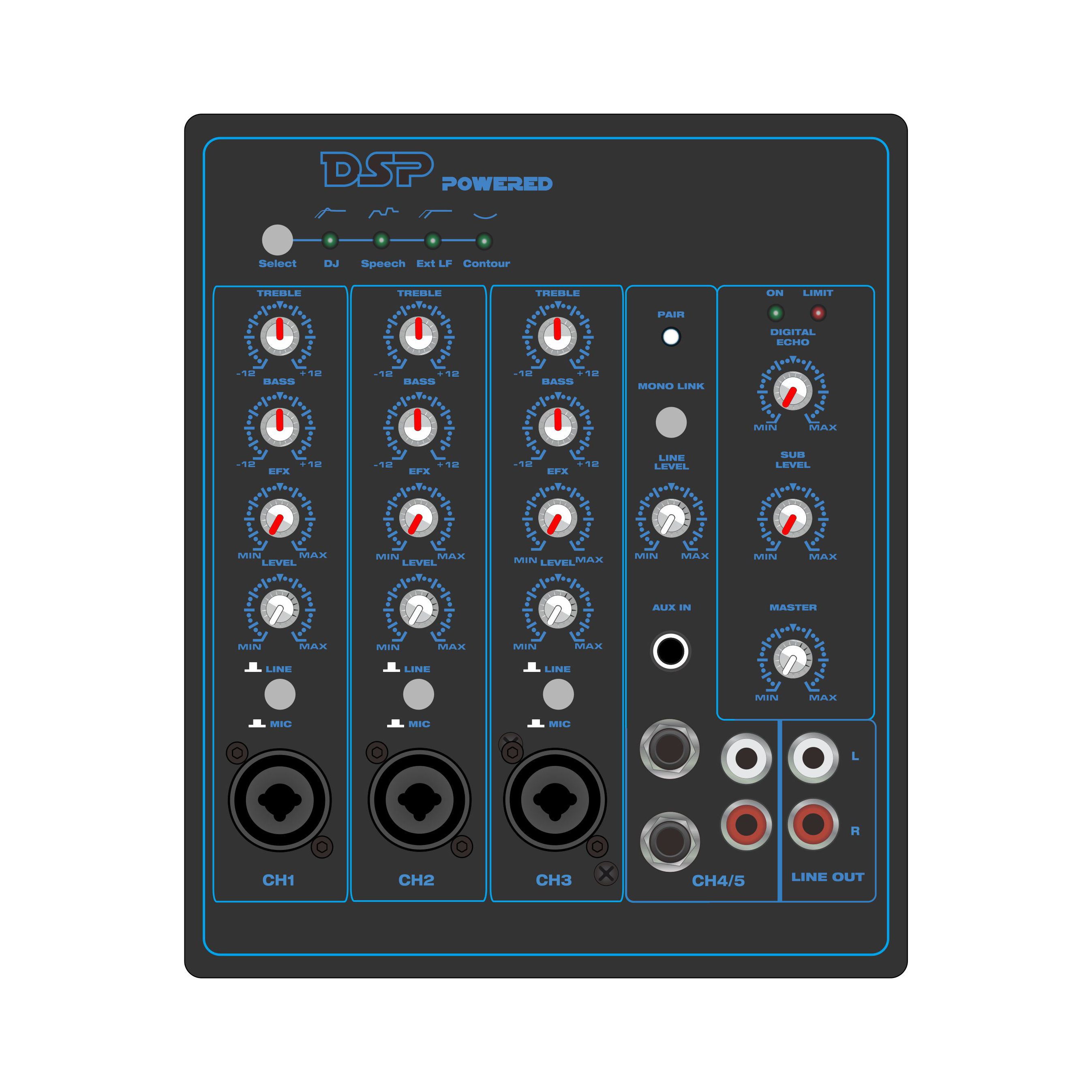
- Built-in DSP: digital crossover filters, parametric EQ bands, time alignment delay, and output limiting all programmable via PC software or front-panel interface
- Protection systems: thermal, overcurrent, short-circuit, DC offset, and clip limiting to protect both amplifier and driver from damage
DSP24 vs DSP25: Core Specification Differences
Before selecting a model, it is essential to understand the specification differences between the DSP24 and DSP25. The table below summarises the typical differentiating parameters.
| Parameter | DSP24 | DSP25 |
|---|---|---|
| Output Channels | 2 | 2 – 4 (configurable) |
| Total Output Power (RMS) | 400 – 800 W | 800 – 2,000 W |
| Crossover Configuration | 2-way (LF / HF) | 2-way / 3-way selectable |
| Parametric EQ Bands per Channel | 4 – 6 | 6 – 10 |
| DSP Processing Resolution | 24-bit / 48 kHz | 32-bit / 96 kHz |
| Signal Input Type | Analogue (XLR / RCA) | Analogue + Digital (AES/EBU optional) |
| Time Alignment Delay | Up to 10 ms per channel | Up to 20 ms per channel |
| Preset Memory Slots | 4 – 8 | 16 – 32 |
| Cooling Method | Convection / small fan | Temperature-controlled variable fan |
| Typical Application | Two-way cabinets, stage monitors, subwoofers | Three-way line arrays, large-format PA, studio main monitors |
Total Output Power Range — DSP24 vs DSP25 Series (Watts RMS)
Chart 1 — The DSP25 supports up to 2.5× the output power of the DSP24, making it the choice for large-format or high-SPL applications.
Understanding the DSP Feature Set and Why It Matters
The defining advantage of a DSP powered speaker amplifier over a conventional analogue plate amp is the programmable digital signal processing engine. Understanding the individual DSP functions helps you assess whether a given model meets your system design requirements.
Digital Crossover Filters
The crossover divides the full-range input signal into frequency bands routed to each driver — low-frequency to woofer, high-frequency to tweeter, and optionally mid-frequency to a midrange driver. The DSP24/DSP25 series implements crossover filters digitally, allowing precise selection of filter type (Linkwitz-Riley, Butterworth, Bessel), crossover frequency, and slope steepness (typically 12 dB/octave to 48 dB/octave). Steeper slopes reduce inter-driver interference at the crossover point, improving polar behaviour in multi-way cabinets.
Parametric Equalisation
Each output channel carries multiple bands of fully parametric EQ, allowing independent control of centre frequency, gain (+/- 15 dB typical), and bandwidth (Q factor). This enables the amplifier module to compensate for the acoustic response of the cabinet enclosure and driver — effectively tuning the speaker system to a flat, predictable response without external outboard EQ hardware. The DSP25, with up to 10 parametric bands per channel, supports more complex correction than the DSP24's 4–6 band implementation.
Time Alignment Delay
In multi-way speakers, the acoustic centres of different drivers are physically offset from each other. Time alignment delay — applied digitally per channel — compensates for this offset, ensuring that sound from all drivers arrives at the listening position simultaneously. Even a 1 ms misalignment at a two-way crossover point produces measurable phase distortion. The DSP25's extended delay range of up to 20 ms per channel accommodates larger cabinets and longer acoustic path differences in line array configurations.
Limiter and Driver Protection
Integrated peak and RMS limiters in the DSP engine prevent both amplifier clipping and driver over-excursion. The RMS limiter monitors long-term power delivery to protect voice coil thermal limits; the peak limiter clamps instantaneous transients that would cause mechanical damage. In the DSP25/DSP24 Series Active Speaker Amplifier, these limiter thresholds are configurable per channel and linked to the specific driver's power handling specification — a critical advantage when specifying a custom active speaker amplifier for a proprietary cabinet design.
Preset Storage and Remote Control
Both models store complete DSP configurations as recall presets, selectable via front-panel switch or PC software. The DSP25's larger preset memory (16–32 slots) is particularly useful in rental and touring applications where a single amplifier module may be deployed in different cabinet types across different productions. Remote control via RS-485, USB, or Ethernet (depending on variant) enables centralised system management without physical access to each cabinet.
Matching the Right Model to Your Application
The DSP24 and DSP25 are not interchangeable in all scenarios. The following application profiles help identify the correct choice for common professional audio deployments.
Fixed Installation: Installed Sound and AV Systems
Conference rooms, houses of worship, retail spaces, and lecture theatres typically use two-way full-range cabinets driven by a single stereo amplifier. The DSP24 Series Active Speaker Amplifier is well suited here: its two-channel output, 4–6 band EQ per channel, and analogue XLR input match the requirements of a standard two-way installation cabinet. Preset storage allows the integrator to configure and lock a tuning that cannot be inadvertently altered by non-technical building users.
Live Sound Reinforcement: Mid-Size Venues
For touring or installed PA systems in venues up to 500–1,000 seats, the DSP25 provides the power headroom and multi-way crossover capability required for three-way main cabinets or bi-amplified subwoofer/satellite configurations. The higher DSP processing resolution (32-bit / 96 kHz) of the DSP25 supports more transparent signal handling at the high SPL levels these applications demand. A typical mid-size line array system using the DSP25 can achieve consistent SPL across a coverage angle of 90°–120° with appropriately configured directional EQ and delay settings.
Studio Monitor and Reference Speaker Design
Manufacturers of active studio monitors and reference speakers specify the DSP25 when designing three-way reference systems requiring precise frequency response, low group delay, and configurable room correction EQ. The 32-bit processing resolution and 10-band parametric EQ allow the acoustic behaviour of the enclosure and room interaction to be corrected to within ±1 dB of target response — a specification level required for professional monitoring applications.
Subwoofer Systems
A single-channel or bridged DSP24 configuration is a practical and cost-efficient solution for powered subwoofer cabinets. The DSP engine applies a high-pass filter to protect the woofer from sub-sonic content below its usable range, while a configurable low-pass crossover frequency (typically 60–120 Hz) integrates cleanly with satellite or top-cabinet systems. The DSP24's power range of 400–800 W covers the majority of subwoofer driver requirements from 12-inch to 18-inch cone formats.
Custom OEM and Cabinet Manufacturer Applications
For cabinet manufacturers developing proprietary active loudspeaker products, a custom active speaker amplifier based on the DSP25/DSP24 platform can be factory-configured with application-specific crossover, EQ, and limiter settings that match the exact cabinet and driver combination. This eliminates end-user configuration risk and ensures consistent performance across every unit of a production run. OEM variants may also support custom front-panel branding and locked preset functionality.
Recommended Model by Application — DSP24 vs DSP25
Chart 2 — DSP24 covers two-way and subwoofer applications; DSP25 is required for three-way, high-power, or precision reference applications.
Key Technical Criteria for Selecting the Right Model
Once the application profile is defined, the following technical parameters should be confirmed before finalising the selection of a professional active speaker amplifier from the DSP25/DSP24 series.
Output Power and Impedance Matching
Match the amplifier's per-channel output power to the driver's continuous (RMS) power handling with a headroom factor of 1.5×–2×. For example, a woofer rated at 300 W RMS should be driven by a channel capable of delivering 450–600 W RMS. Operating an amplifier continuously at clipping reduces headroom and accelerates driver failure — the built-in limiter in the DSP24/DSP25 series prevents clipping but should not be relied upon as the primary power budget calculation.
Confirm the rated output impedance match: most plate amplifier modules deliver rated power into 4 Ω or 8 Ω loads. Using a driver with an impedance lower than the amplifier's minimum rated load will trigger overcurrent protection and reduce available power.
Crossover Frequency and Filter Order
The crossover frequency must be set within the usable range of both adjacent drivers — above the woofer's high-frequency limit and below the tweeter's low-frequency excursion limit. For a two-way system crossing over near 2–3 kHz, a Linkwitz-Riley 24 dB/octave (LR4) filter is the industry standard because it produces flat summed response and 90° phase alignment between adjacent bands. The DSP24 and DSP25 both support LR4 as a selectable filter type.
Signal-to-Noise Ratio and Dynamic Range
For studio and high-fidelity reference applications, confirm the amplifier's signal-to-noise ratio (SNR) — specified relative to full rated output. A minimum SNR of 100 dB A-weighted is acceptable for most professional applications; reference monitors may require 108 dB or higher to avoid audible noise floor at moderate listening levels. The DSP25's 32-bit processing path maintains lower quantisation noise than the DSP24's 24-bit engine, which is significant in high-dynamic-range material reproduction.
Input Sensitivity and Gain Structure
Input sensitivity determines how much input voltage is required to drive the amplifier to full output. A sensitivity of 0 dBu (0.775 V) is standard for professional line-level sources; some modules offer selectable sensitivity between -10 dBV (consumer) and +4 dBu (professional). Mismatched gain structure between the driving mixer/DSP processor and the amplifier input causes either signal clipping at the input stage or insufficient output level — confirm the specification before wiring the system.
Protection and Reliability Features
A professional active speaker amplifier deployed in live sound or permanent installation must include a comprehensive protection suite. Confirm the following are present in the selected DSP24/DSP25 variant:
- Thermal protection: automatic output reduction or shutdown when heatsink temperature exceeds safe operating threshold
- DC offset protection: immediately disconnects the speaker output if DC voltage is detected — critical to prevent driver voice coil burn-out
- Short-circuit protection: protects output stage transistors from wiring faults or damaged speaker cables
- Inrush current limiting: soft-start circuitry prevents power supply stress on power-up, important in multi-cabinet rack installations
- Clip limiting: engages before the amplifier enters hard clipping, preventing harsh-sounding distortion and driver stress at high drive levels
Installation, Integration, and Configuration Best Practices
Selecting the correct DSP25/DSP24 Series Active Speaker Amplifier is only part of the process. Proper installation and initial configuration directly affect system performance and long-term reliability.
- Mechanical fit and ventilation: confirm the module fits the cabinet's plate amplifier cutout dimension (typically 220 × 190 mm or 260 × 210 mm depending on variant). Ensure at least 30–50 mm of clearance around the heatsink for convection cooling; in rack or enclosed enclosure mounting, verify that the cooling fan exhaust is not blocked.
- Speaker wiring: use twisted-pair cable with a cross-sectional area matched to the current draw — at minimum 1.5 mm² for runs up to 1 m and 2.5 mm² for longer internal wiring. Keep wiring away from signal input cables to prevent hum induction.
- Initial DSP configuration: upload the manufacturer-recommended preset for your driver and cabinet combination if available, or begin with a flat EQ and set crossover frequencies and slopes based on driver datasheet specifications. Run a swept sine measurement with a calibrated measurement microphone before applying corrective EQ.
- Limiter calibration: set the RMS limiter threshold to the driver's continuous power rating and the peak limiter to the driver's peak power rating. Running without correctly set limiters voids most driver warranties and risks field failures during high-SPL events.
- Lock and document presets: once the system is tuned and verified, lock the active preset to prevent accidental changes. Document the full DSP parameter set and store it externally — this enables rapid recovery if the amplifier module requires replacement in the field.
Impact of DSP Parameters on Measured System Performance (Relative Improvement, %)
Chart 3 — All four DSP functions contribute measurably to system performance; time alignment and EQ deliver the largest gains over uncorrected passive systems.
When to Specify a Custom Active Speaker Amplifier
Standard DSP24 and DSP25 variants cover the majority of application requirements, but certain projects benefit from a custom active speaker amplifier configuration. Consider a custom specification when:
- Non-standard driver impedance or power handling: drivers with unusual impedance curves, high excursion requirements, or extreme power handling may require modified output stage tuning outside the standard model range
- OEM production runs: cabinet manufacturers integrating the amplifier as part of a branded product line benefit from factory-locked DSP presets, custom front-panel labelling, and volume-pricing arrangements
- Special environmental requirements: installations in high-humidity, high-altitude, or high-ambient-temperature environments may require modified thermal management, conformal coating of PCBs, or derated output ratings
- Unique I/O or control requirements: systems requiring Dante/AES67 digital audio networking, proprietary control protocols, or non-standard connector formats typically require a custom I/O configuration that is not available in the standard DSP25/DSP24 product
- Regulatory certification for specific markets: products destined for markets with specific safety or EMC certification requirements (e.g., UL for North America, CCC for China, RCM for Australia) may require variant-specific testing and documentation
When submitting a request for a custom active speaker amplifier based on the DSP25/DSP24 platform, provide full driver specifications (impedance, power handling, frequency range, sensitivity), target SPL requirements, cabinet dimensions, and intended deployment environment. This information enables the manufacturer to specify the correct output stage, cooling design, and DSP configuration for the application.
Frequently Asked Questions
The DSP24 is a two-channel module suited to two-way cabinets and subwoofers, with output power ranging from 400–800 W RMS and 24-bit/48 kHz DSP processing. The DSP25 supports two to four output channels for three-way or higher-power configurations, delivers up to 2,000 W total output, and uses 32-bit/96 kHz processing for higher resolution signal handling. Choose the DSP24 for standard two-way applications and the DSP25 when three-way crossover, higher SPL output, or greater DSP precision is required.
The amplifier module is compatible with any speaker driver whose impedance falls within the module's rated output impedance range (typically 4 Ω or 8 Ω) and whose power handling is within the output power range of the selected channel. The DSP engine is then configured — via crossover frequency, EQ, and limiter settings — to match the specific driver's characteristics. For non-standard impedance or power requirements, a custom active speaker amplifier configuration should be specified.
The DSP25/DSP24 Series Active Speaker Amplifier is configured via PC software connected through a USB or RS-485 interface. The software provides a graphical interface for setting crossover frequencies and filter types, adjusting parametric EQ bands, setting limiter thresholds, and applying time alignment delay per channel. Completed configurations are saved as presets to the module's onboard memory and can be recalled from the front panel without a PC connection. Some variants also support Ethernet-based remote control for integration with building automation or system management software.
A DSP powered speaker amplifier provides several measurable advantages over a passive crossover: crossover frequency and slope are adjustable without changing physical components; parametric EQ can correct the acoustic response of the cabinet without external hardware; time alignment delay compensates for driver offset to improve phase coherence; and independent limiting per driver protects each driver according to its own power rating. Passive crossovers are fixed at manufacture, degrade with component ageing, and cannot be tuned after installation.
Standard DSP24/DSP25 modules are designed for indoor or protected enclosure installation. For outdoor touring applications, the amplifier must be housed within a weatherproof speaker enclosure that protects it from rain, humidity, and temperature extremes. The amplifier module itself should be specified with conformal-coated PCBs for high-humidity environments. The temperature-controlled fan on the DSP25 is well suited to high-ambient-temperature outdoor deployments, as it actively manages heatsink temperature rather than relying on passive convection alone.
Before finalising the cabinet build, run an acoustic measurement using a calibrated measurement microphone and analysis software (such as a swept-sine measurement at 1 metre on-axis) with the DSP configured to a flat starting preset. Compare the measured response against the driver datasheet to identify peaks and dips requiring EQ correction. Set crossover frequencies to where the driver responses naturally cross at -6 dB, apply time alignment to achieve minimum phase coherence at the crossover point, then verify the summed response is within ±3 dB of target across the operating range. This measurement process confirms both the DSP configuration and the physical accuracy of the cabinet construction before shipment or installation.