English
 Español
 中文简体
中文简体
Content
- 1 Quick Answer: What to Check Before Buying a DSP Speaker Amplifier
- 2 Understanding How a DSP Active Speaker Amplifier Works
- 3 Matching Power Output and Wattage to Your Speaker Load
- 4 Evaluating DSP Processing Depth: Crossover, EQ, and Limiter Functions
- 5 Assessing Build Quality, Chassis Design, and Thermal Management
- 6 Checking Input, Output, and Network Control Options
- 7 Reviewing Protection Circuits That Extend Amplifier Lifespan
- 8 Matching the Amplifier to Your Application: Live Sound, Install, or Touring
- 9 Working With a DSP Amplifier Manufacturer for OEM and Custom Solutions
- 10 Planning Installation, Configuration, and Ongoing Maintenance
- 11 Quick Reference Checklist Before You Finalize Your Purchase
- 12 Frequently Asked Questions About DSP Speaker Amplifiers
Quick Answer: What to Check Before Buying a DSP Speaker Amplifier
The short answer is straightforward. A dependable purchase decision for a DSP active speaker amplifier comes down to ten practical checkpoints: power output matched to the speaker load, the depth of onboard DSP processing such as crossover and limiter functions, the range of input and output connectivity, the strength of protection circuits, the quality of chassis and thermal design, how well the unit fits the intended application, the flexibility of control software, the availability of OEM and custom support, long term serviceability, and overall compatibility with the rest of the sound system. A DSP25/DSP24 Series Active Speaker Amplifier is built around exactly these considerations, combining processing, power delivery, and protection inside a single chassis rather than requiring separate boxes for each function.
Each of these checkpoints is explored below in detail, together with reference charts, comparison tables, and a closing checklist that brings every factor together in one place before a final decision is made.
- Power output matched to the speaker load and impedance
- Depth of onboard DSP processing, including crossover and limiter functions
- Range of input, output, and network control connectivity
- Strength and coverage of built in protection circuits
- Chassis build quality and thermal management approach
- Fit between the amplifier and the specific application type
- Flexibility of control software and preset management tools
- Availability of OEM and custom amplifier support
- Long term serviceability and access to technical support
- Overall compatibility with the rest of the sound system
Understanding How a DSP Active Speaker Amplifier Works
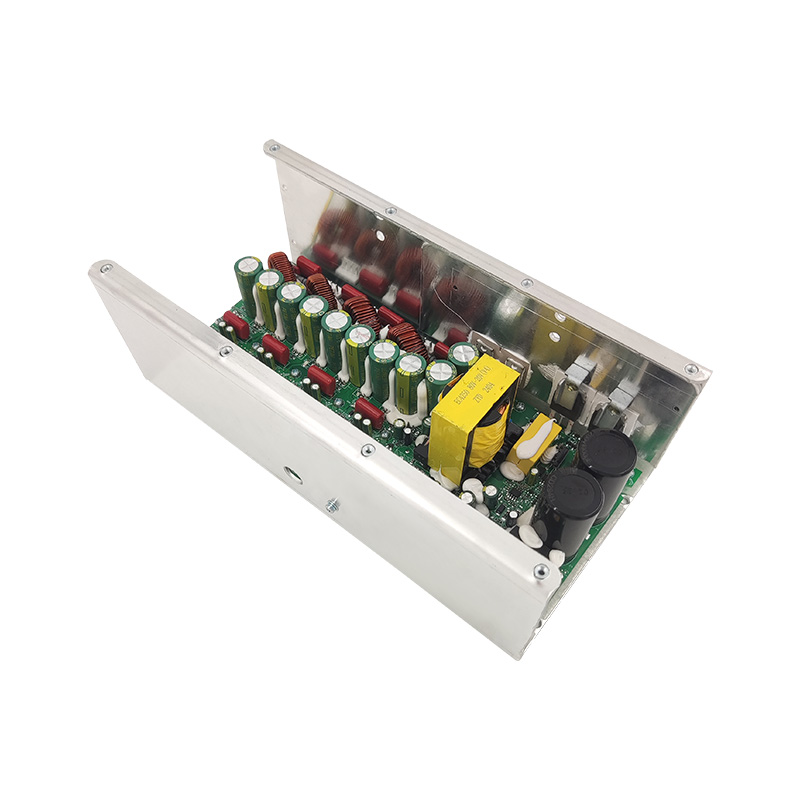
A DSP Active Speaker Amplifier combines three functions that used to live in separate boxes: signal processing, power amplification, and driver protection. Instead of running a mixer output into a standalone crossover, then into a power amplifier, then into a passive speaker, an Active Speaker Amplifier places the digital signal processor directly ahead of the power stage inside one chassis. The result is a shorter signal path, fewer cable connections, and processing tuned specifically for the power stage it drives.
Core Components Inside a DSP Amplifier Module
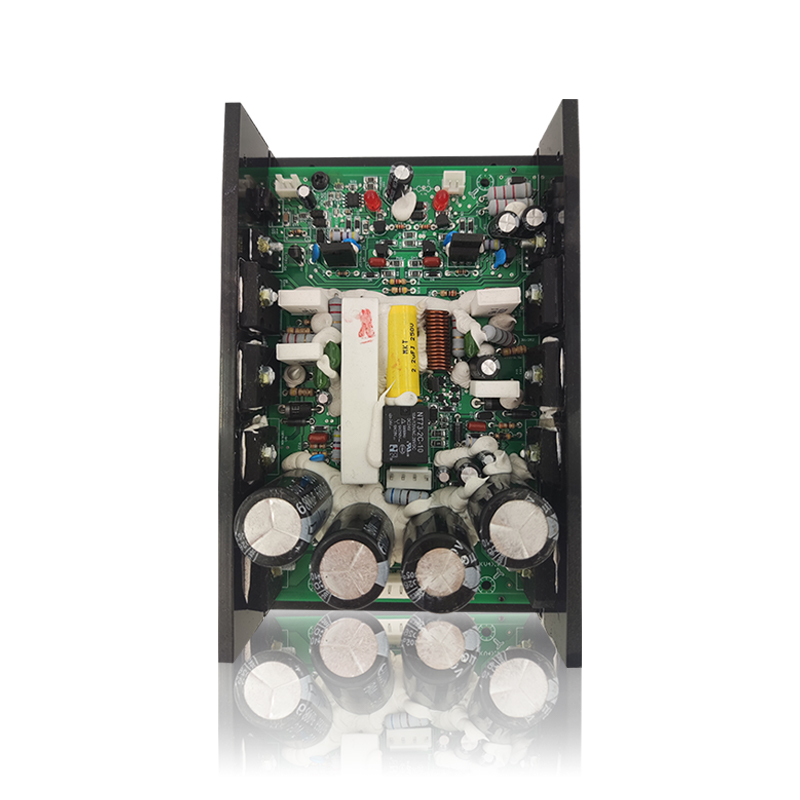
Inside a typical DSP amplifier module, the audio path moves through an analog to digital converter, a processing chip handling crossover filtering, equalization, delay, and limiting, then a digital to analog stage feeding the power amplifier channels. Because the processor and amplifier share the same clock and power supply, timing between channels stays consistent, which matters for multi-way speaker systems where high and low frequency drivers need to stay in phase with one another.
Why Integration Reduces Signal Loss
Every extra connector, cable run, and separate chassis introduces a small amount of noise and a point where a loose connection can cause a fault. A Powered Speaker Amplifier that houses processing and amplification together removes several of those connection points. For touring crews and installation teams alike, fewer boxes also means less time spent on setup and troubleshooting during a show or during system commissioning.
Illustrative reference comparison across five general operating dimensions, based on typical design differences rather than a single measured test.
Matching Power Output and Wattage to Your Speaker Load
Power rating is usually the first specification buyers look at, but the number on a spec sheet only tells part of the story. What matters more is how that power is delivered: continuous output into the actual impedance of the speaker, headroom above average listening level for transient peaks, and how much of that rated power the unit can sustain before thermal limiting engages. An Active Speaker Amplifier rated at a given wattage into 8 ohms may deliver meaningfully more into a 4 ohm load, so checking the rating at the specific impedance in use avoids under-powering a system.
Reading Continuous Versus Peak Power Figures
Continuous power reflects what an amplifier sustains over time, while peak power reflects short bursts the amplifier can handle without clipping. A speaker amplifier with generous peak headroom handles sudden dynamic content, such as a kick drum hit or a dialogue burst, without audible distortion, even when the average listening level sits well below the peak figure.
The table below gives a general reference range for wattage against venue size. These figures are illustrative starting points meant to guide early planning, since room acoustics, speaker sensitivity, and desired coverage distance all shift the actual requirement for a given room.
| Venue Type | Reference Wattage Range | Typical Speaker Count |
|---|---|---|
| Small Meeting Room | 100 to 200 watts | 2 to 4 |
| Conference Hall | 300 to 500 watts | 4 to 8 |
| Mid Size Venue | 700 to 900 watts | 6 to 12 |
| Large Hall or Outdoor | 1300 to 1700 watts | 10 or more |
Illustrative wattage reference by venue size, intended for early planning rather than an exact sizing formula.
Why Impedance Matching Still Matters in Active Systems
Even inside an active speaker amplifier, the power stage still needs to see the impedance it was designed for. Running mismatched loads can trigger protection circuits earlier than expected or, in less careful designs, stress the output stage over time. Checking the rated impedance range on a DSP25/DSP24 Series Active Speaker Amplifier or comparable unit before wiring multiple drivers in parallel is a simple step that avoids service calls later on.
Evaluating DSP Processing Depth: Crossover, EQ, and Limiter Functions
The processing section is what separates a genuine Professional DSP Amplifier from a basic powered amplifier with a fixed tone control. Three processing blocks do most of the work: the crossover that splits frequencies between drivers, the parametric equalizer that shapes tonal balance, and the limiter that protects drivers from excessive excursion or thermal stress.
FIR and IIR Crossover Filters Compared
Two filter types appear across most DSP amplifier platforms: infinite impulse response, commonly written as IIR, and finite impulse response, commonly written as FIR. IIR filters are computationally light and add very little processing delay, which suits live sound situations where timing feels critical to performers on stage. FIR filters take more processing power and add a small amount of latency, but they can achieve a more linear phase response across the crossover region, which benefits fixed installations where a small amount of added delay matters less than tonal consistency.
| Characteristic | IIR Filter | FIR Filter |
|---|---|---|
| Processing Latency | Very low | Noticeably higher |
| Phase Response | Can shift near crossover | More linear across range |
| Processing Load | Light | Heavier |
| Typical Use Case | Live sound, touring | Fixed installation |
Parametric EQ and Limiter Behavior
A parametric equalizer with adjustable frequency, gain, and bandwidth per band gives a technician far more precise control than a fixed graphic EQ. Multiband limiters, meanwhile, protect each driver independently rather than clamping the entire signal at once, which keeps low frequency protection from dulling high frequency content during a loud passage.
Assessing Build Quality, Chassis Design, and Thermal Management
Two amplifiers with identical spec sheets can behave very differently after a year of regular use. Chassis material, internal layout, and cooling strategy determine how consistently a unit performs once dust, heat, and long operating hours enter the picture.
Cooling Approaches and Their Trade-offs
Passive convection cooling avoids fan noise entirely, which suits quiet installed environments such as houses of worship or retail spaces, but it generally limits how much continuous power the chassis can dissipate. Fan cooled designs, particularly variable speed fans that only spool up under real thermal load, tend to sustain higher continuous output while keeping noise low during typical operation.
Illustrative thermal stability tendency by cooling method, shown on a general reference scale for comparison purposes only.
Power Supply Design and Its Effect on Consistency
A switch mode power supply with active power factor correction generally holds output voltage more consistently across a range of mains conditions than a simpler linear supply of similar physical size. For touring use where mains quality varies from venue to venue, that consistency reduces the chance of unexpected level changes during a show.
Checking Input, Output, and Network Control Options
Connectivity determines how easily a DSP Speaker Amplifier fits into an existing signal chain and how much flexibility remains for future changes to the system.
Analog and Digital Input Options
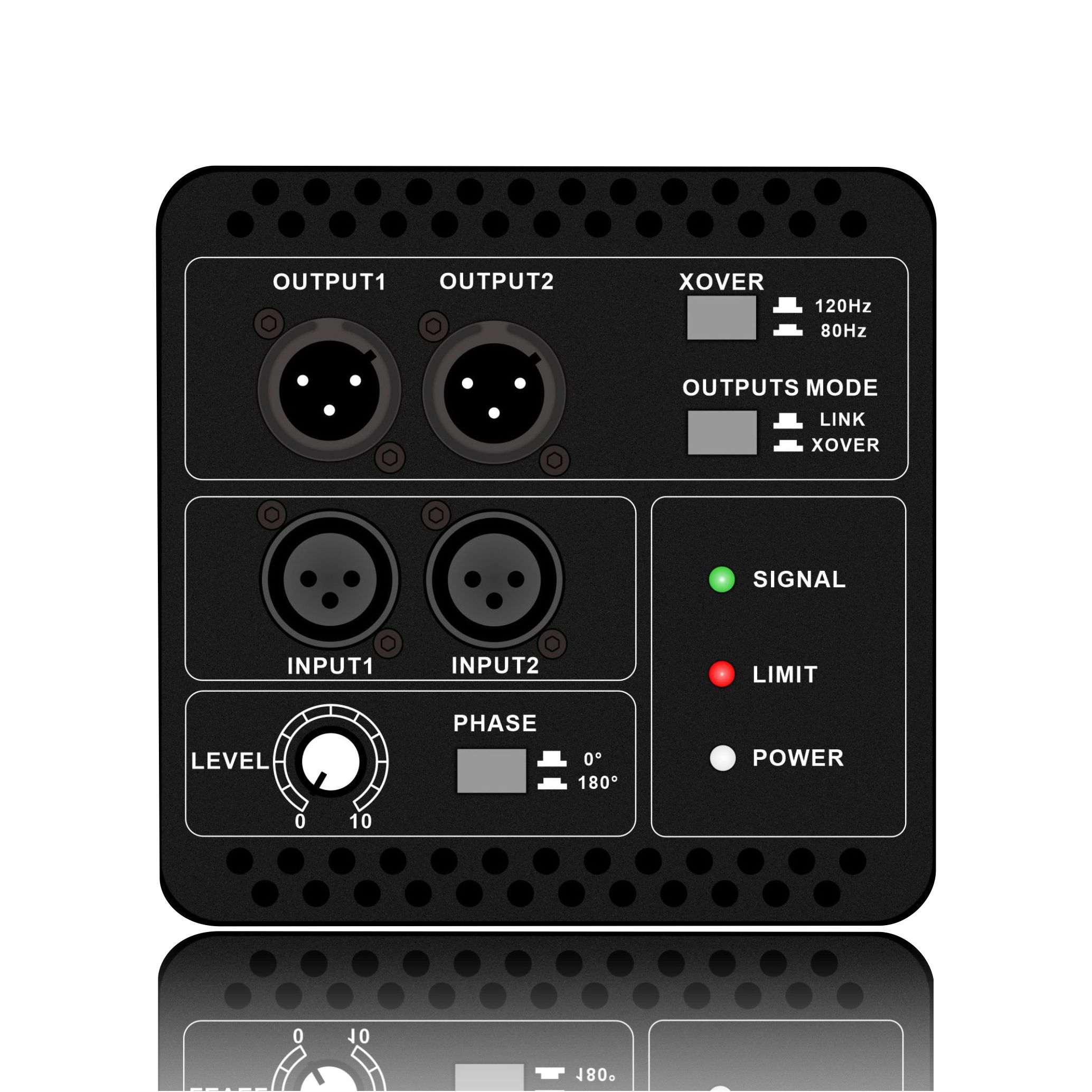
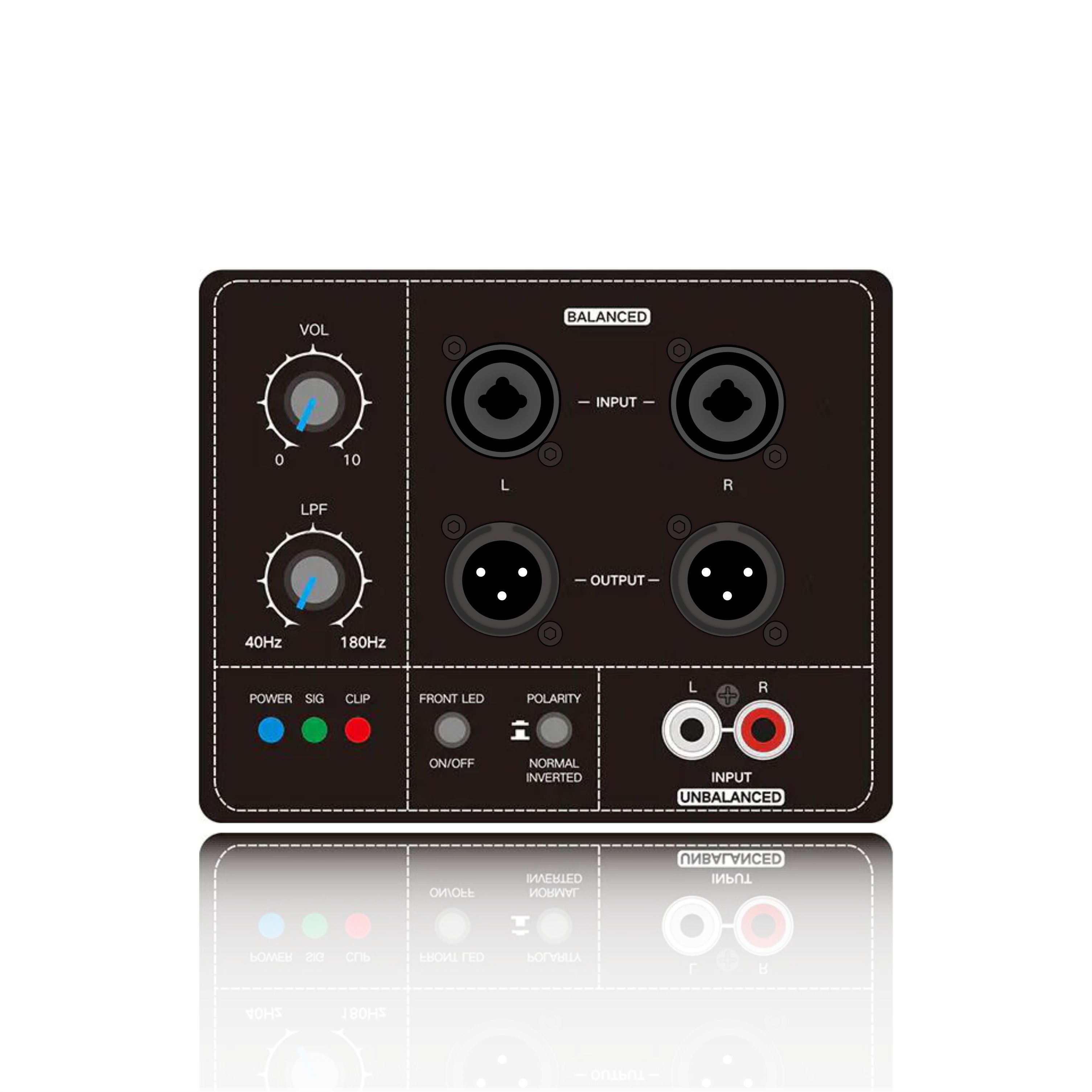
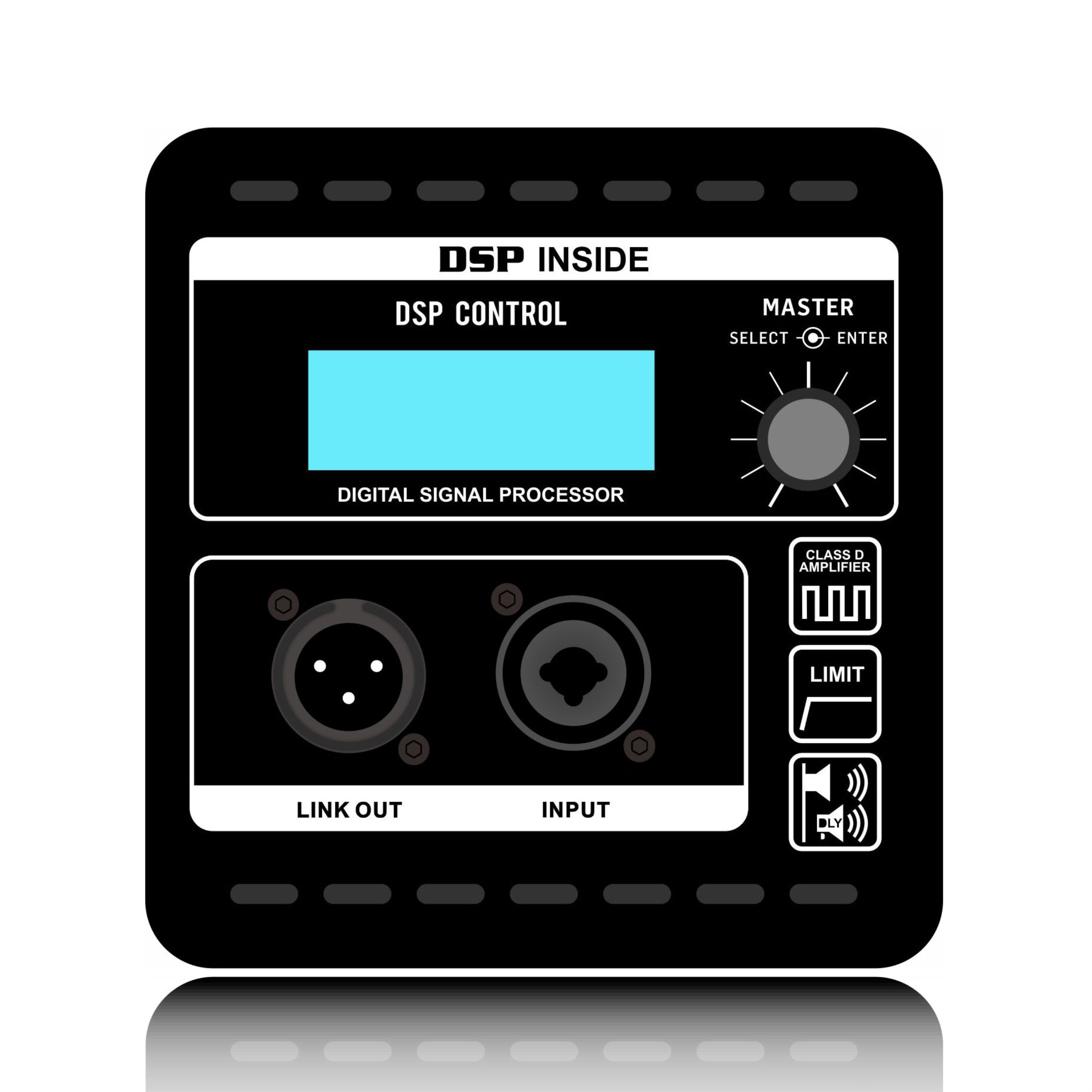
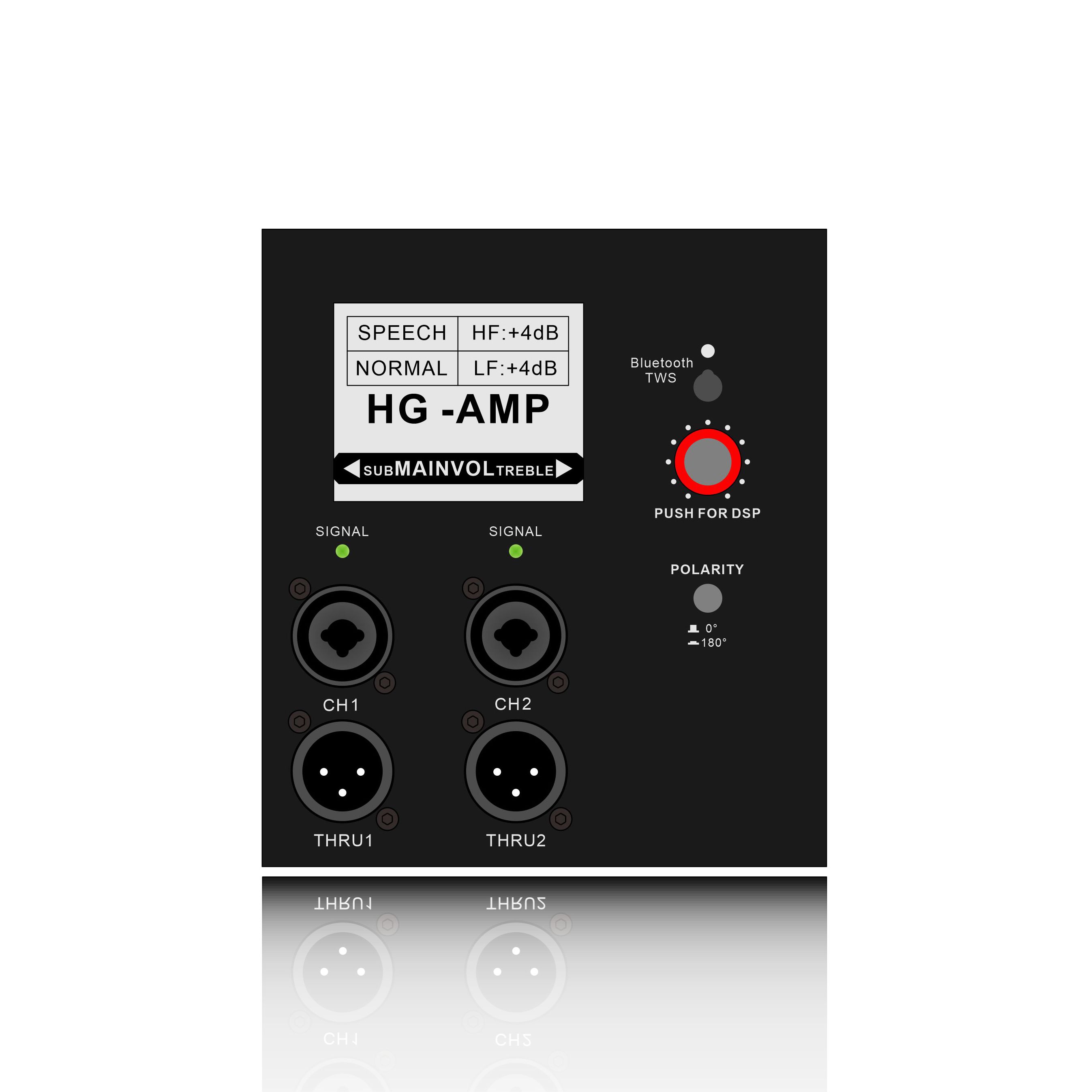
Balanced XLR inputs remain standard for professional analog connections, while some active speaker amplifier models add digital inputs for direct connection to networked audio systems, reducing the number of analog to digital conversions along the signal path.
Remote Control and Monitoring
Network control over Ethernet lets a technician adjust gain, recall presets, and monitor amplifier temperature or fault status from a laptop or tablet without physically reaching a rack mounted unit. For installed systems in mechanical rooms or ceiling voids, that remote access saves considerable time during troubleshooting.
- Balanced XLR or terminal block analog inputs
- Link or pass-through outputs for daisy chaining multiple units
- Network port for remote control and monitoring
- Front panel display and controls for on-site adjustment
- Preset storage for multiple speaker configurations
Reviewing Protection Circuits That Extend Amplifier Lifespan
Protection circuitry rarely shows up during a short demo, but it is often the single biggest factor in how long an amplifier lasts under real world conditions. Short circuit protection, over temperature shutdown, DC offset detection, and soft start circuits all work quietly in the background until the moment they are actually needed.
Common Protection Features to Look For
Over temperature protection reduces output gradually as internal temperature rises, rather than cutting audio abruptly, which keeps a show running while the unit works to cool itself. DC offset protection disconnects the speaker output if a fault produces unwanted direct current, protecting the driver voice coil from damage that a simple fuse would not catch quickly enough.
Illustrative efficiency retention trend for educational comparison, not measured performance data from a specific unit.
Soft Start and Inrush Current Management
Soft start circuits ramp the power supply up gradually when a unit is switched on, which reduces inrush current and the mechanical stress that repeated full power startups place on internal components across years of daily use.
Matching the Amplifier to Your Application: Live Sound, Install, or Touring
The right DSP Speaker Amplifier for a touring rig is not always the right choice for a fixed install, even when the power rating looks identical on paper.
Live Sound and Touring Requirements
Touring and live sound applications generally favor lighter chassis, rugged connectors, and fast access front panels, since units get loaded in and out of vehicles repeatedly and need quick adjustment between venues with different acoustics.
Fixed Installation Requirements
Fixed installations, by contrast, tend to prioritize quiet cooling, rack mount consistency, and remote network control, since the amplifier runs in the same room for years with limited physical access once ceiling tiles or rack doors close.
Illustrative reference distribution based on common deployment patterns observed across typical project types.
Working With a DSP Amplifier Manufacturer for OEM and Custom Solutions
Many buyers, particularly brands and system integrators building their own product line, look beyond a single amplifier purchase toward a manufacturing partnership. Ningbo Zhenhai Huage Electronics Co., Ltd. works as a professional DSP25/DSP24 Series Active Speaker Amplifier manufacturer and DSP25/DSP24 Series Active Speaker Amplifier factory, focusing on sound mixers, active power amplifiers, microphones, and related electronic components and equipment as its core product lines.
As a China DSP amplifier factory with in-house design, production, and testing teams, the company supports Custom DSP Amplifier projects where chassis appearance, connectivity layout, or preset configurations are adjusted to match a buyer's own requirements. This OEM DSP Amplifier approach has supported long term cooperation with audio brands both domestically and internationally, alongside Wholesale DSP Amplifier supply arrangements for distributors building out a regional catalog.
What to Ask a DSP Amplifier Supplier Before Committing
Buyers evaluating a DSP Amplifier Supplier for an OEM or custom project generally benefit from asking about production capacity, typical lead time for sample units, testing procedures applied before shipment, and how design changes are communicated during development. A DSP Amplifier Manufacturer with dedicated design, production, and testing teams is usually better positioned to accommodate adjustments without disrupting the overall production schedule.
Ningbo Zhenhai Huage Electronics Co., Ltd. welcomes visits from customers across different industries to review production facilities, discuss custom project requirements, and work through wholesale supply arrangements directly with the design and engineering team, following a long standing policy of good products, good service, and good reputation.
Planning Installation, Configuration, and Ongoing Maintenance
Even a well specified DSP active speaker amplifier performs below its potential when installation and configuration steps get rushed. A short, repeatable process during setup avoids most of the common issues technicians encounter in the field.
- Complete a site survey to confirm speaker load, cable run lengths, and available power circuits before mounting any hardware.
- Check wiring polarity and grounding across every channel to avoid phase cancellation between drivers.
- Configure crossover points, delay, and equalization based on the specific speaker enclosure being driven, not a generic factory default.
- Set gain structure carefully across the full signal chain so headroom remains available for peak passages.
- Run a burn-in test at typical operating levels to confirm stable behavior before handing the system over.
- Schedule periodic maintenance, including dust removal from vents, connector inspection, and backup of preset configurations.
Quick Reference Checklist Before You Finalize Your Purchase
The table below brings together the full set of considerations covered in this guide, arranged as a quick reference for a final review before placing an order for a DSP speaker amplifier.
| Consideration | What to Verify | Why It Matters |
|---|---|---|
| Power Matching | Wattage at actual load impedance | Prevents under-powering or early limiting |
| DSP Processing Depth | Crossover type, EQ bands, limiter design | Shapes tonal accuracy and driver safety |
| Protection Circuits | Thermal, DC offset, short circuit coverage | Extends long term operating life |
| Connectivity | Analog inputs, network control, presets | Determines system integration flexibility |
| Build and Cooling | Chassis material, fan or passive cooling | Affects consistency over years of use |
| Application Fit | Touring, install, or broadcast use case | Matches design priorities to actual use |
| OEM and Custom Support | Manufacturer design and testing capability | Enables tailored product development |
| Serviceability | Access to support and spare components | Reduces downtime after years in service |
| Control Software | Preset recall, remote monitoring tools | Simplifies daily operation and updates |
| System Compatibility | Fit with existing mixers and speakers | Avoids rework of the wider sound system |
Frequently Asked Questions About DSP Speaker Amplifiers
-
Q1: What is a DSP active speaker amplifier?
It is an amplifier that houses digital signal processing, such as crossover and limiter functions, together with the power amplification stage inside a single chassis, rather than relying on separate processing and amplifier units.
-
Q2: How does a DSP amplifier work?
Incoming audio is converted to a digital signal, shaped by crossover, equalization, delay, and limiter processing, then converted back to drive the power amplifier channels feeding the connected speakers.
-
Q3: What is the difference between DSP and traditional amplifiers?
A traditional amplifier simply boosts an incoming signal, while a DSP amplifier also shapes and protects that signal through onboard processing before it ever reaches the speaker.
-
Q4: How to choose a DSP active speaker amplifier?
Start with power matching for the intended speaker load, then compare processing depth, connectivity, protection circuits, and how well the unit fits the specific application before making a final choice.
-
Q5: How many watts do I need for an active speaker?
This depends on room size, speaker sensitivity, and desired coverage distance, so treat published wattage tables as a general reference starting point rather than a fixed rule.
-
Q6: How to size an amplifier for speakers?
Match continuous power to the speaker rated handling at the correct impedance, then check that peak headroom comfortably covers the loudest expected passages of program material.
-
Q7: What is FIR versus IIR crossover?
IIR filters are lighter on processing and add very little delay, while FIR filters use more processing power to achieve a more linear phase response across the crossover region.
-
Q8: How to set DSP crossover frequency?
Crossover frequency is generally set near the point where the low frequency driver output starts to fall off and the high frequency driver becomes able to handle the remaining range cleanly.