English
 Español
 中文简体
中文简体
Content
- 1 What Is a Class H Power Amplifier
- 2 How Class H Amplification Works
- 3 Amplifier Class Comparison: A, AB, D, and H
- 4 Advantages: Efficiency, Heat, and Power Output
- 5 Applications: Concerts, PA Systems, KTV, and Stadiums
- 6 How to Choose the Right Amplifier for Your Application
- 7 Frequently Asked Questions
- 8 Work With a Professional Class H Amplifier Manufacturer
What Is a Class H Power Amplifier
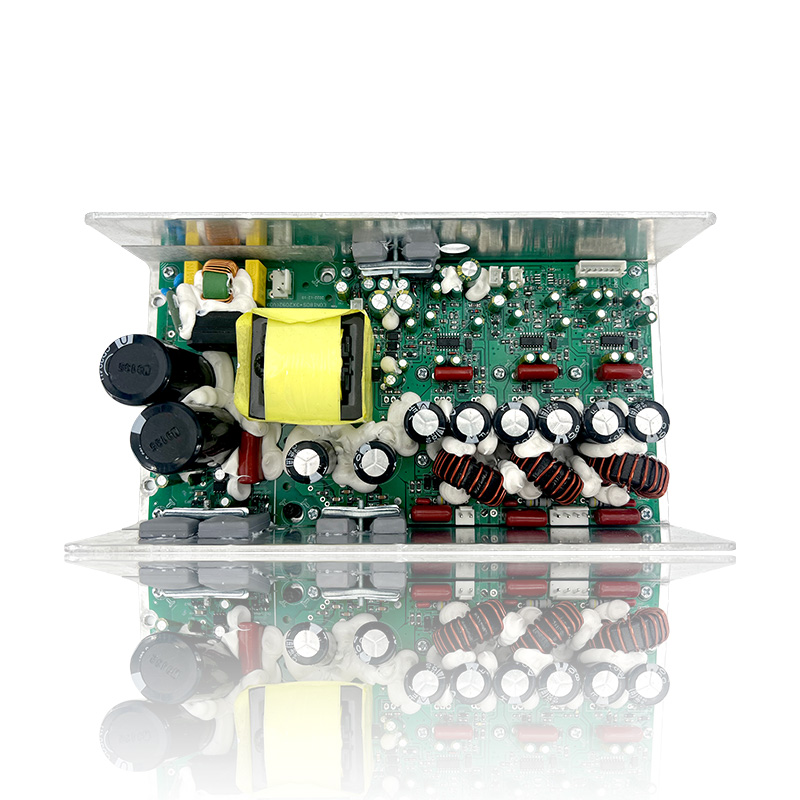
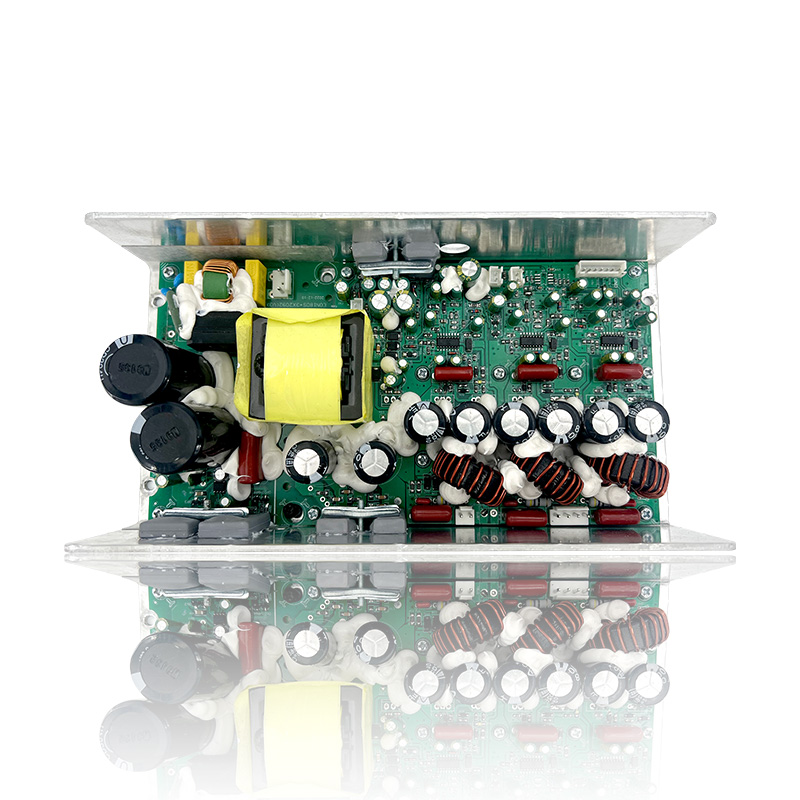
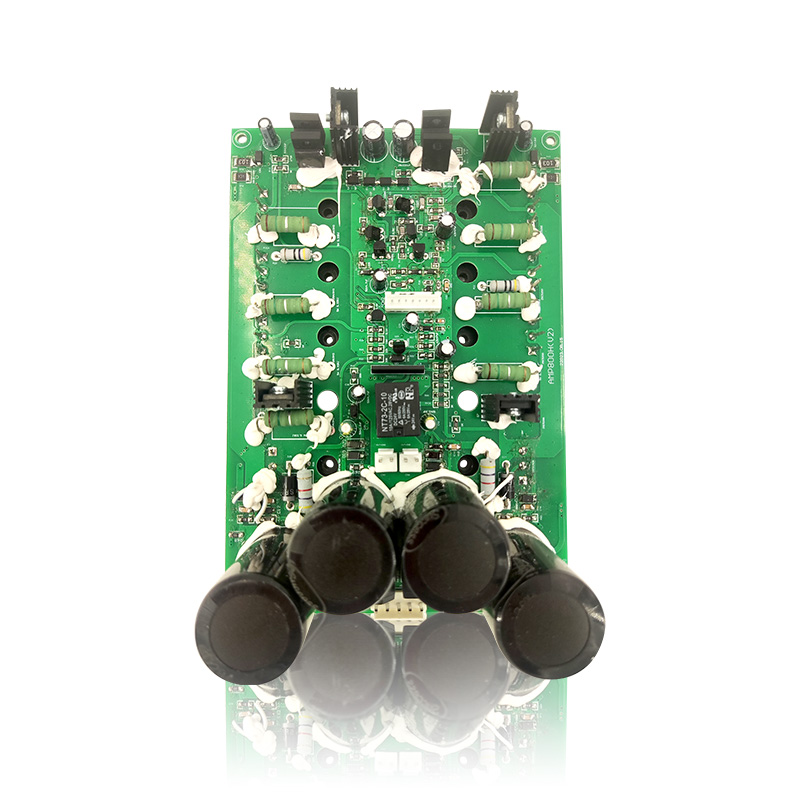
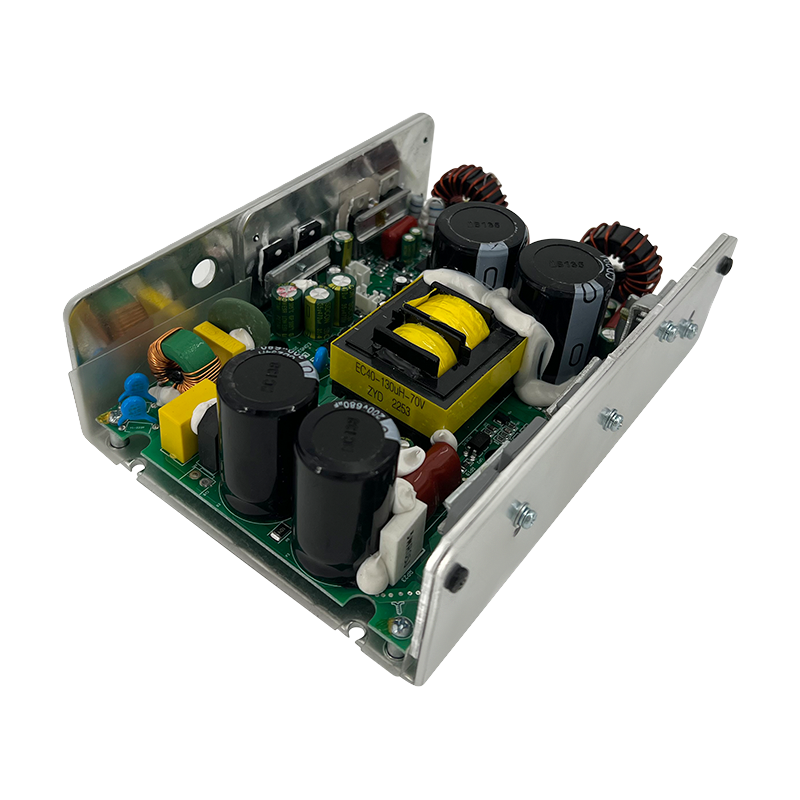
A Class H power amplifier is a professional audio amplifier design that dynamically adjusts its power supply rail voltage to match the signal being amplified, delivering high output power while significantly reducing wasted heat compared to fixed-rail designs. The direct answer for anyone comparing amplifier classes is that Class H offers a practical middle ground between the sound accuracy of linear amplifiers and the efficiency of switching designs, which is why it remains a common choice for touring sound systems and large venue installations.
This rail-tracking approach allows a Class H amplifier to run cooler than a comparable Class AB unit at the same output level, while still preserving clean signal reproduction that professional sound engineers expect from live performance and PA system amplifier applications.
How Class H Amplification Works
The core mechanism behind Class H design is rail switching. Instead of running the output transistors off a single fixed high-voltage supply at all times, the amplifier monitors the input signal and switches between a lower rail voltage during quiet passages and a higher rail voltage only when the signal demands more headroom.
- The amplifier continuously tracks the incoming audio signal envelope.
- During low-level passages, the circuit operates on a reduced supply rail, minimizing wasted power.
- When a signal peak requires more voltage headroom, the circuit switches to a higher rail almost instantly.
- This dynamic switching reduces the voltage difference across the output transistors during most of the operating time.
- Less voltage difference translates directly into less heat generated as wasted energy.
Because most music and speech content spends the majority of its time at moderate levels with only occasional peaks, this rail-switching behavior allows a Class H amplifier to spend most of its operating time in a lower-heat state, only drawing on full rail voltage when transient peaks actually require it.
Amplifier Class Comparison: A, AB, D, and H
Choosing the right amplifier class depends on balancing sound quality, efficiency, and heat management for a given application. The table below summarizes the practical differences between the four most common professional amplifier classes.
| Class | Efficiency | Sound Quality | Typical Use |
|---|---|---|---|
| Class A | Low | Very High | Studio and audiophile equipment |
| Class AB | Moderate | High | General purpose PA and installed sound |
| Class D | Very High | Good | Portable and subwoofer applications |
| Class H | High | High | Concert, touring, and large venue systems |
This radar chart compares a Class H power amplifier against a conventional Class AB unit across five practical performance factors relevant to live sound applications. Class H scores notably higher on efficiency, heat management, and power density because its rail-switching design avoids the constant high-voltage dissipation that limits Class AB designs at high output levels. Sound fidelity remains close between the two classes, since Class H retains a linear amplification stage similar to Class AB during normal operation. Reliability at peak load favors Class H as well, since reduced internal heat buildup generally supports more consistent long-duration performance during demanding events such as concerts and festivals.
Advantages: Efficiency, Heat, and Power Output
The main advantages of Class H design come down to three measurable factors: reduced heat generation, improved power efficiency, and the ability to deliver high output power without a proportionally larger heat sink or cooling system.
This bar chart illustrates the general relative heat dissipation across amplifier classes when delivering comparable output power under typical program material. Class AB amplifiers generate the most excess heat because their output stage maintains a relatively constant voltage differential regardless of signal level. Class H reduces this heat load substantially by tracking the signal and switching rails only when needed, sitting between Class AB and the very low heat output of Class D switching amplifiers. Lower heat generation directly benefits touring and installed sound applications, since it typically means smaller heat sinks, quieter cooling fans, and more consistent performance during long events.
Why Efficiency Matters for Large-Scale Sound Systems
For touring productions and installed venues running dozens of amplifier channels simultaneously, even a moderate efficiency improvement per unit compounds significantly across a full rack of equipment. Reduced heat output also means amplifier racks can be more densely packed without exceeding thermal limits, which is a practical consideration for a rack mount Class H power amplifier system used in space-constrained touring trucks or fixed equipment rooms.
Applications: Concerts, PA Systems, KTV, and Stadiums
Class H amplifiers are widely deployed across large-scale sound reinforcement scenarios where high, sustained output power and dependable heat management are both required simultaneously.
- Concert and touring sound systems requiring high headroom for dynamic musical peaks.
- Professional PA amplifier for large venue installations covering theaters and auditoriums.
- KTV and entertainment venues needing clean, high-power vocal and music reproduction.
- Stadium and outdoor event sound reinforcement covering long throw distances.
- House of worship and conference center installations requiring consistent daily use reliability.
This horizontal bar chart reflects a general distribution of Class H amplifier deployment across common professional sound applications. Concert and touring use, together with large venue PA installations, account for more than half of typical deployment scenarios, reflecting the class's strength in handling large dynamic swings at high sustained volume. KTV and entertainment venues represent a steady segment as well, since these spaces require clean vocal reproduction alongside high-output music playback night after night. Stadium and outdoor applications, while a smaller share, benefit significantly from the reduced heat output when amplifier racks are enclosed in outdoor equipment housings with limited passive cooling.
How to Choose the Right Amplifier for Your Application
Selecting the right amplifier depends on matching power output, channel count, and thermal design to the specific venue and speaker load rather than choosing based on amplifier class alone.
| Factor | Why It Matters |
|---|---|
| Speaker Load Impedance | Determines compatible amplifier output rating and stability |
| Venue Size | Defines required sustained power and headroom margin |
| Channel Configuration | Affects rack space and signal routing complexity |
| Cooling and Ventilation | Impacts long-term reliability during extended high-output sessions |
| Protection Circuitry | Guards against overload, short circuit, and thermal stress |
A low distortion power amplifier for speakers is particularly important in applications where vocal clarity and musical detail matter, such as live concerts and KTV systems. Buyers should also confirm protection features such as short-circuit, overload, and thermal shutdown circuitry, which help extend amplifier lifespan under the demanding conditions typical of professional touring and installed sound environments.
Frequently Asked Questions
Q1: What is a Class H amplifier?
It is a power amplifier design that dynamically adjusts its supply rail voltage to match the signal, improving efficiency and reducing heat.
Q2: How does a Class H power amplifier work?
It tracks the audio signal and switches between low and high rail voltages, using extra voltage only when signal peaks require it.
Q3: Is Class H amplifier good for live sound?
Yes, its combination of high headroom, efficiency, and heat management makes it well suited to concert and touring applications.
Q4: Which amplifier class has the best sound quality?
Class A offers the highest theoretical fidelity, though Class H and AB both deliver high sound quality suitable for professional use.
Q5: What amplifier is used for concerts?
Class H amplifiers are commonly used for concerts due to their high output power and efficient heat management under sustained use.
Q6: Which amplifier is best for a PA system?
Class H or Class AB amplifiers are typically preferred for PA systems, depending on venue size and required power headroom.
Work With a Professional Class H Amplifier Manufacturer
Ningbo Zhenhai Huage Electronics Co., Ltd. is a professional audio enterprise integrating research and development, production, and sales, specializing as a Class H loudspeaker amplifier manufacturer with a long-standing focus on sound mixers, active power amplifiers, microphones, and related electronic components. The company maintains professional design, production, and testing teams capable of custom configuration according to specific project requirements.
For buyers evaluating an OEM professional audio amplifier manufacturer, an audio power amplifier factory China partner, or a professional amplifier supplier wholesale program, the company has provided OEM services for established audio brands over many years, supporting both standard and custom Class H loudspeaker amplifier development. Whether the requirement is a rack mount Class H power amplifier system for touring use or a concert sound amplifier supplier relationship for ongoing venue installation projects, sharing target power output, channel count, and application details early in the process supports a more precise product recommendation.