English
 Español
 中文简体
中文简体
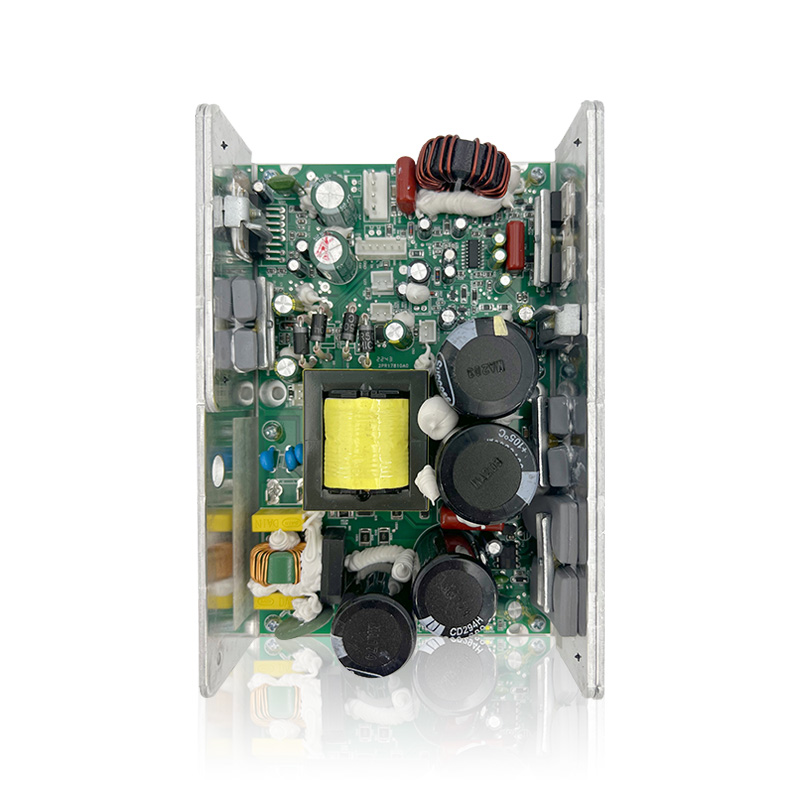
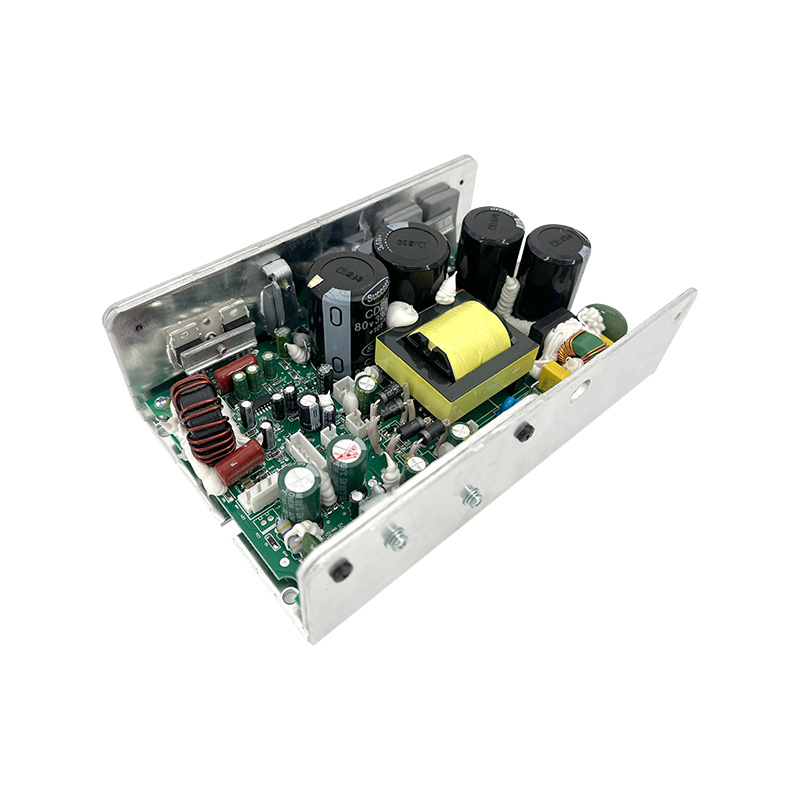
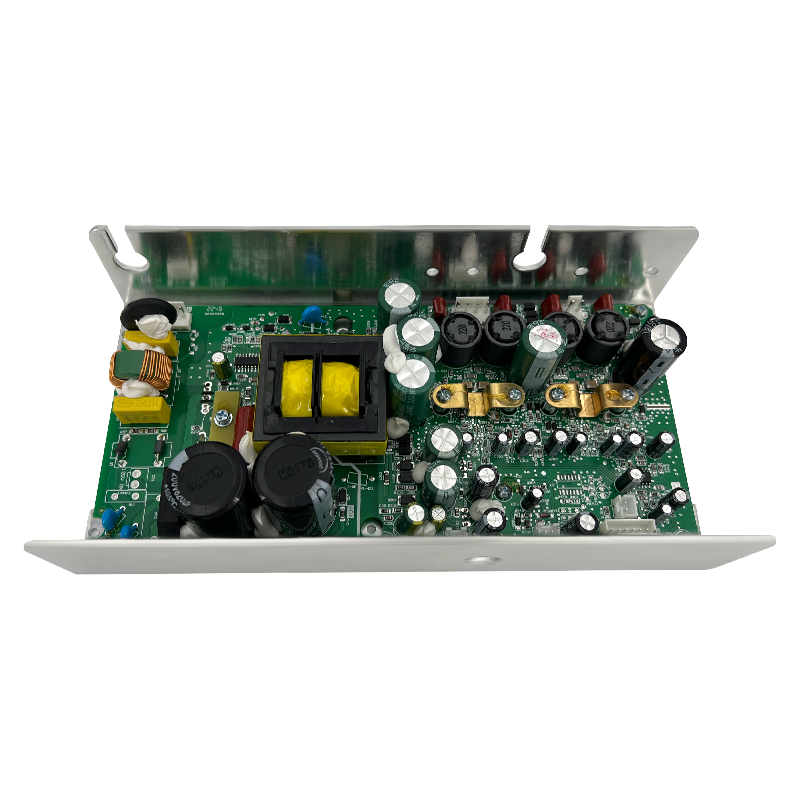
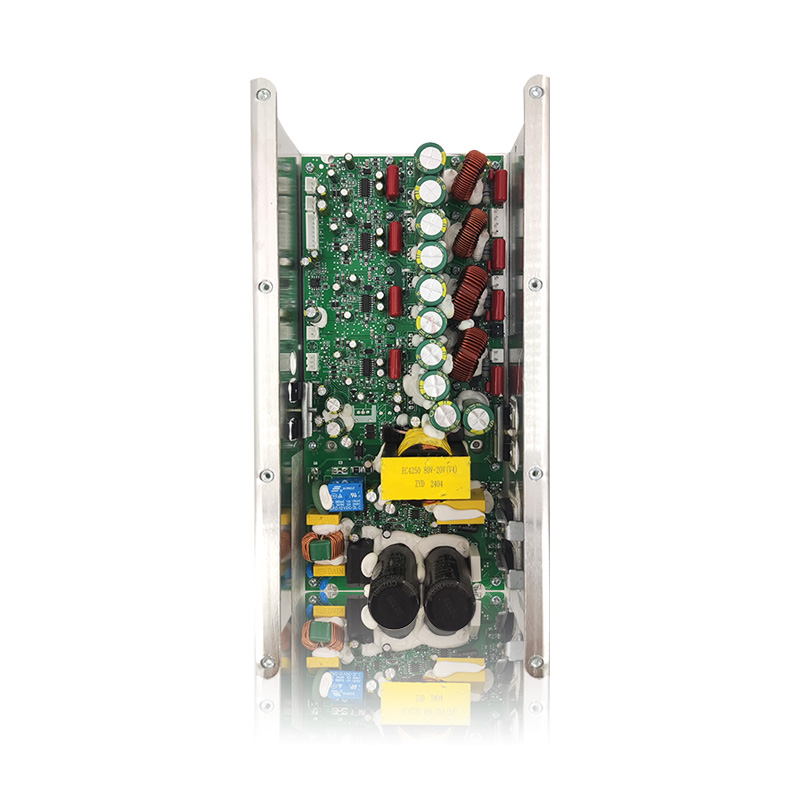
A Class AB speaker amplifier (Class AB Amplifier) is an audio power amplifier design that combines the advantages of Class A and Class B amplifiers, aiming to improve efficiency while reducing distortion.
1. Basic Operating Principle
Combination of Class A and Class B:
Class A amplifier: The transistor conducts throughout the entire signal cycle, resulting in excellent linearity and low distortion, but extremely low efficiency (theoretical maximum 25%).
Class B amplifier: The two transistors amplify the positive and negative half-cycles of the signal separately, resulting in higher efficiency (theoretical maximum 78.5%), but with crossover distortion.
Class AB improvement: The transistor is in a slightly conductive state (bias current) during static operation, which avoids the crossover distortion of Class B while also being more efficient than Class A.
2. Key Features
Bias Setting: A small bias voltage is provided to the transistor via a diode or resistor network, keeping it conducting at a low current even when no signal is present.
Dynamic On-Time: Operation similar to Class A (low distortion) is achieved with small signals, switching to Class B push-pull (high efficiency) with large signals. Efficiency and distortion balance: Efficiency is approximately 50%-70%, significantly higher than Class A; distortion, especially crossover distortion, is significantly lower than Class B.
Product Features: Sound quality approaches Class A, efficiency approaches Class B, and overall performance is excellent. With a reasonable cost and mature technology, it is widely used in consumer audio equipment (such as hi-fi systems and car stereos).
3. Common faults of Class AB speaker amplifiers
Class AB speaker amplifiers combine the advantages of Class A (high fidelity) and Class B (high efficiency), but they may still fail during long-term use due to design, load or environmental factors.
(1). No output (no sound)
Possible causes:
Power failure (fuse blown, transformer damaged, rectifier circuit problem).
Output stage transistor or power tube breakdown (such as complementary symmetrical tubes turned on at the same time causing a short circuit).
Protection circuit triggered (such as overcurrent, overheating protection).
Signal input interruption (loose plug, pre-stage circuit failure).
(2). Distortion (abnormal sound quality)
Possible causes:
Crossover distortion: The bias voltage of the Class B amplifier section is abnormal (such as the bias diode or V<sub>BE</sub> multiplier circuit failure), causing the signal to be distorted when crossing zero.
Power tube asymmetry (such as poor NPN/PNP pairing or single tube damage).
Negative feedback circuit failure (such as open feedback resistor, capacitor leakage). The power supply voltage is unstable (the ripple increases due to the aging of the filter capacitor).
(3). Frequent triggering of overheat protection
Possible causes:
Poor heat dissipation (fan failure, dust accumulation on the heat sink or poor contact).
Excessive static current (bias circuit imbalance, resulting in excessive current in the Class A section).
Load impedance is too low (such as speaker impedance mismatch or short circuit).
(4). Output power decreases
Possible causes:
Insufficient power supply voltage (transformer or rectifier filter circuit failure).
Power tube aging (β value decreases or internal resistance increases).
Signal coupling capacitor capacity attenuation (such as electrolytic capacitor drying up).
(5). Noise or hum
Possible causes:
Buzzing sound: poor grounding, power supply filter capacitor failure (such as 100Hz/120Hz power frequency noise).
White noise: noise from the previous transistor or op amp (such as low-quality op amp or unstable bias).
Crackling sound: poor soldering, poor contact of potentiometer or capacitor leakage.