English
 Español
 中文简体
中文简体
Home / News / Industry News / Avoid Pitfalls for Beginners: 4 Essential Details to Consider Before Buying a Sound System Amplifier
When choosing an sound system amplifier, it's easy for beginners to be confused by the myriad specifications and sales pitches. Don't worry, remember these five details to help you avoid pitfalls.
Detail 1: Amplifier and Speakers—Impedance and Power Matching
This is crucial. Mismatching can result in poor sound quality at best, or even damage to the equipment!
Check Impedance: Your speakers will have an impedance (in Ω) marked on them, usually 4Ω, 6Ω, or 8Ω. Make sure the amplifier's supported impedance range covers your speakers' impedance. For example, if an amplifier is labeled "8Ω-capable" and you use 4Ω speakers, the amplifier will overload, causing severe overheating or even burning out.
Check Power: The amplifier's rated output power (RMS) should ideally be 1.2 to 1.5 times the rated power of your speakers. This is called "power reserve." A low-power amplifier will result in insufficient power and severe distortion; a high-power amplifier will provide ease, control, and a composed sound.
Detail 2: Understanding the True Power
Marketers often use large "peak power" or "PMPO" figures to attract attention, but this is meaningless.
Focus on "rated power": The truly valuable parameter is RMS (Root Mean Square) power or "continuous output power," expressed in watts (W). For example, "50W RMS × 2 (8Ω, THD+N < 0.1%)" is an honest and reliable power rating. The more detailed the conditions (impedance and distortion) in parentheses, the more standardized the manufacturer's specifications.
Detail 3: Choosing Between Music and Cinema
Amplifiers come in two main styles; buying the wrong one can ruin the experience.
Hi-Fi stereo amplifiers: These focus on two-channel music playback, with all circuitry and costs dedicated to reproducing high-fidelity music. The sound quality is generally better. AV surround sound amplifiers: Specialize in multi-channel movie sound effects, connecting to various video devices and decoding surround sound formats to create an immersive experience.
Detail 4: Ports and Features
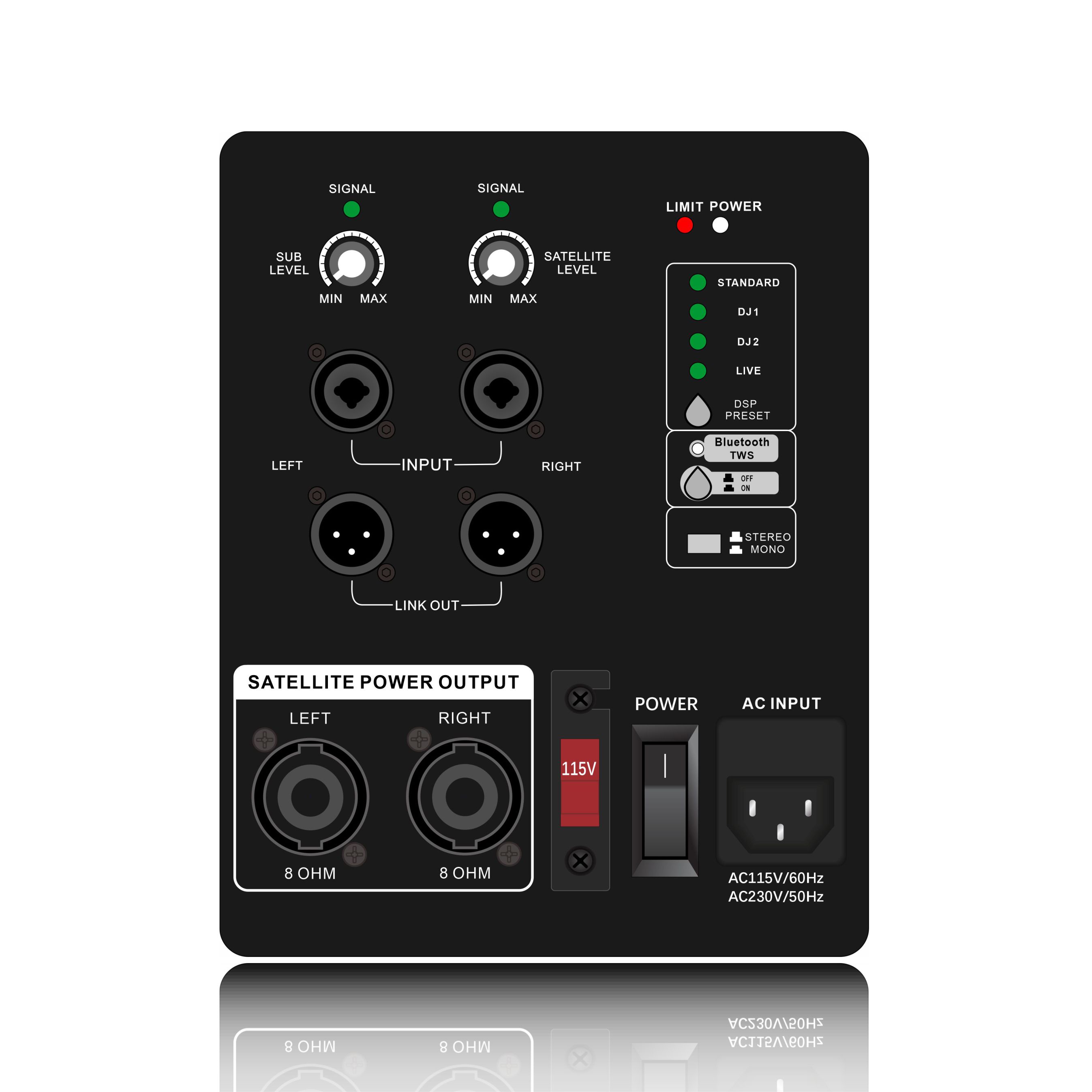
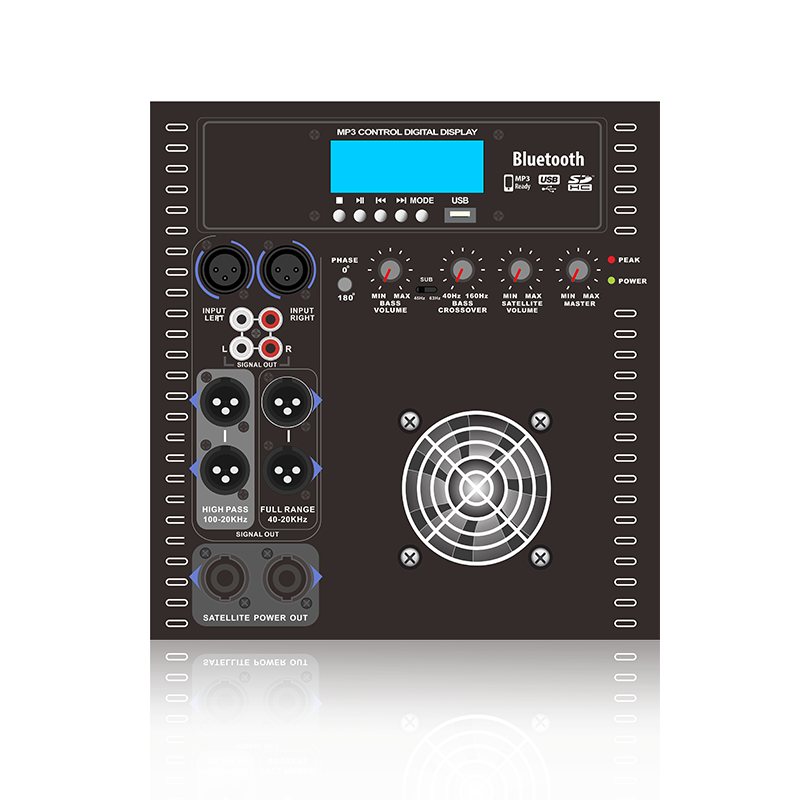
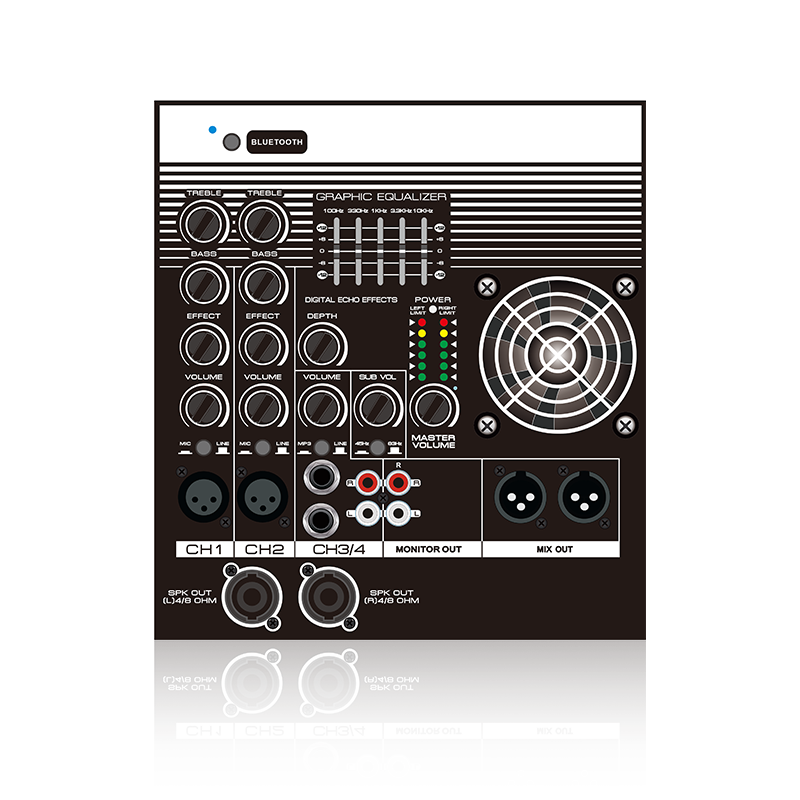
Inspecting the ports on the back panel will determine how long your amplifier will last.
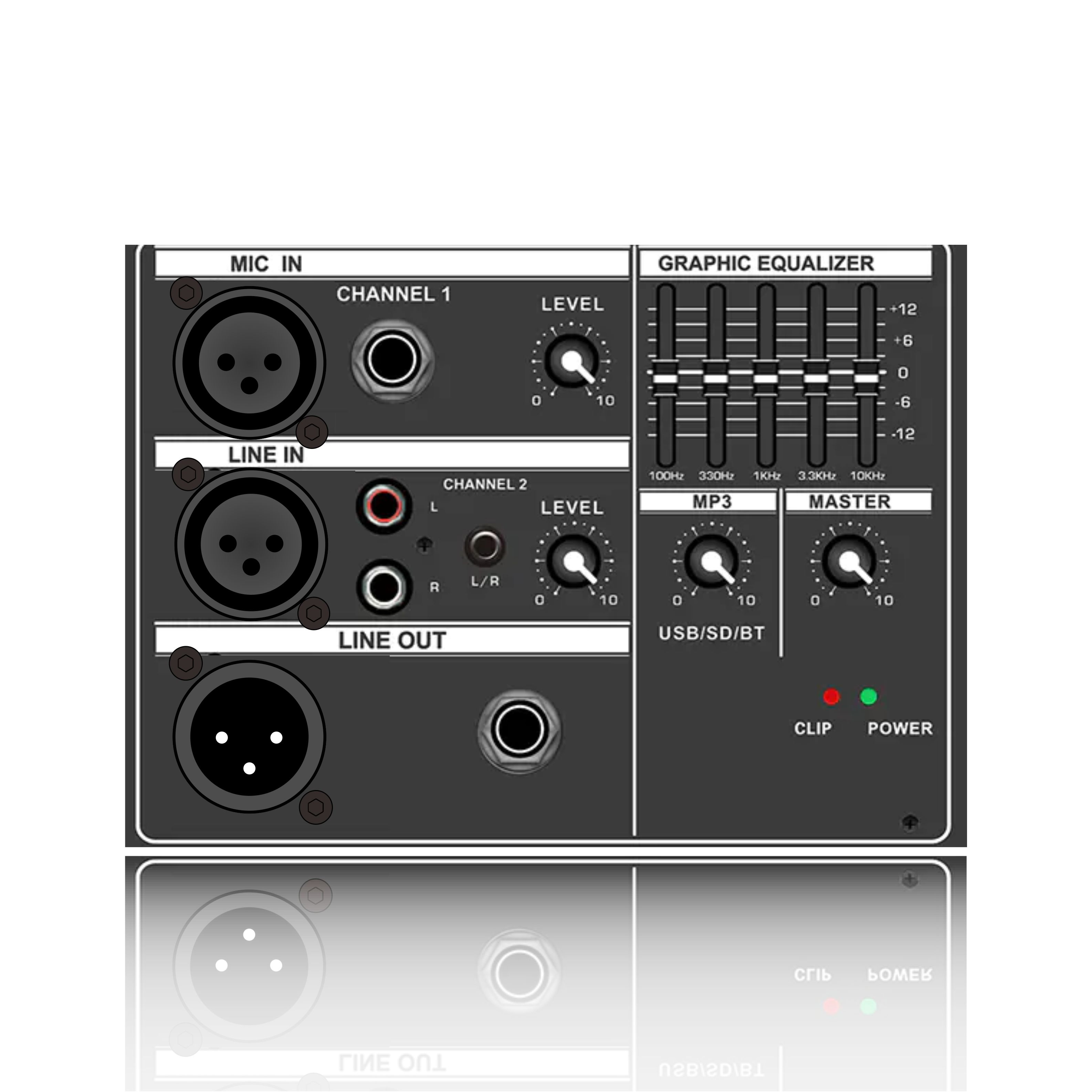
Inputs: Make sure it has the audio source connections you need, such as a phono input for vinyl and optical/coaxial inputs for connecting to a TV or game console.
Outputs: The subwoofer output is crucial; even if you don't use it now, you can upgrade your subwoofer later.
Wireless: Bluetooth and Wi-Fi are useful features on modern amplifiers, making it easy to stream music from your phone. However, keep in mind that wired connections generally provide better sound quality.