English
 Español
 中文简体
中文简体
Home / News / Industry News / Class H Electronic Frequency Dividing System Amplifier: The "Smart Heart" of Professional Audio?
1. Technical Positioning of Class H Electronic Frequency Dividing System Amplifier
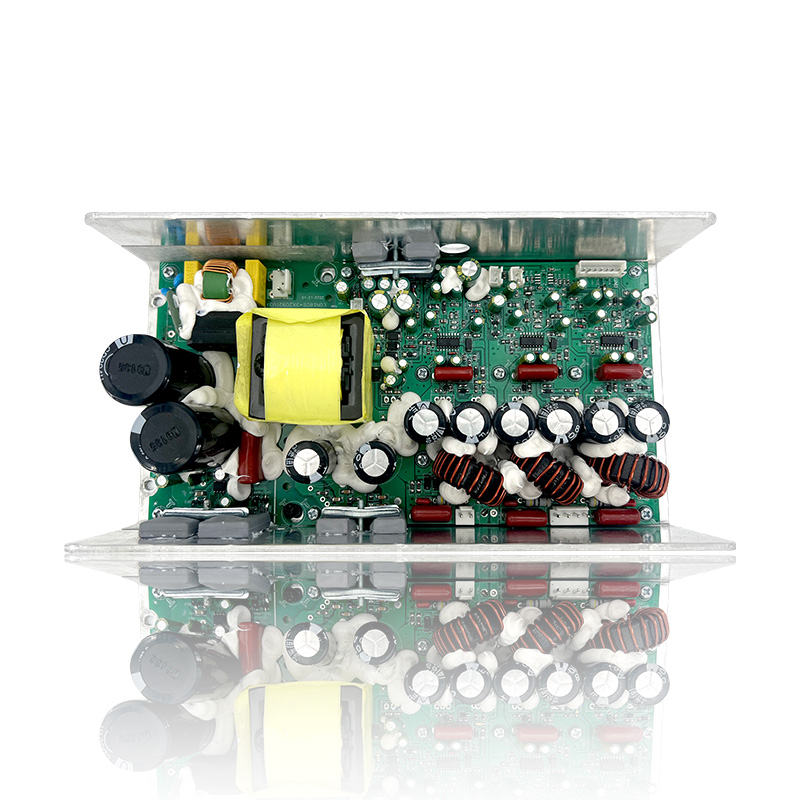
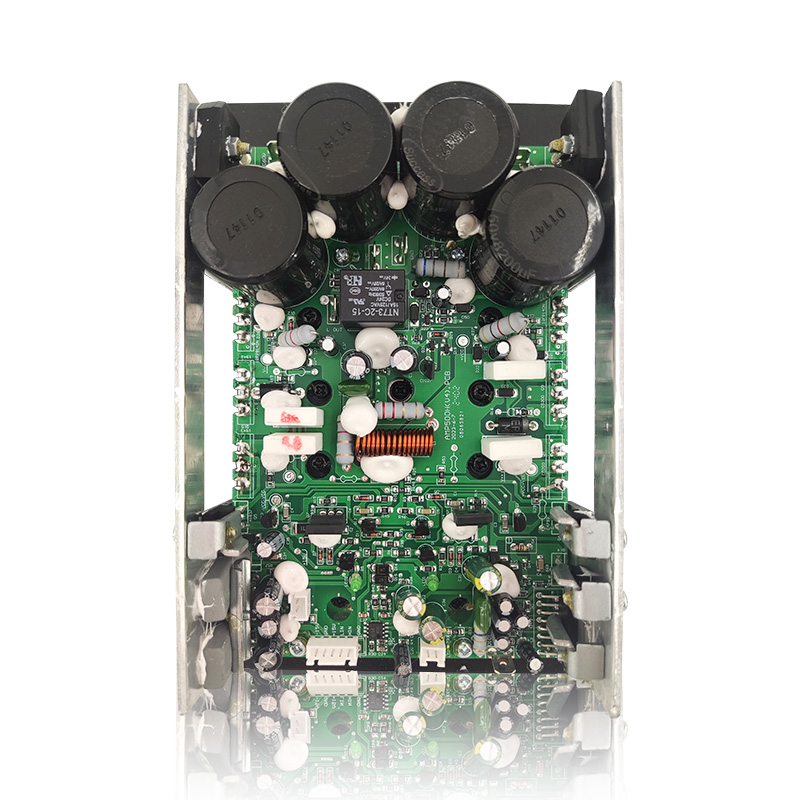
Class H Electronic Frequency Dividing System Amplifier is an important technological innovation in the field of professional audio engineering. It cleverly combines electronic frequency division technology with Class H amplification technology to solve many technical problems in traditional audio systems. Compared with ordinary amplifiers, this device has three significant technical features:
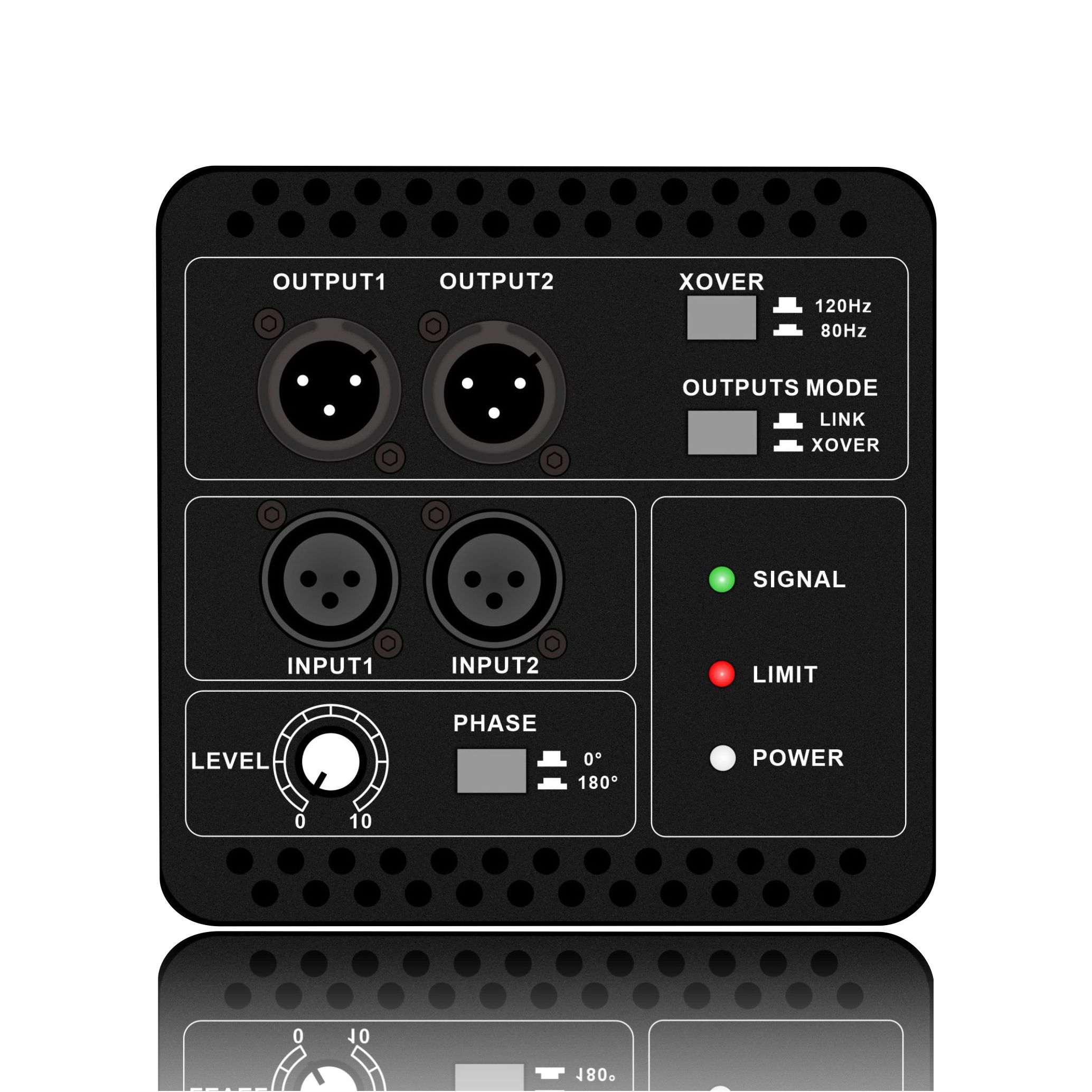
Electronic frequency division pre-processing: accurate frequency division is completed before signal amplification, avoiding the phase distortion and energy loss problems of traditional power frequency division. The typical frequency division point can be set to any value between 80Hz-3kHz according to the characteristics of the speaker, with an accuracy of ±0.5dB.
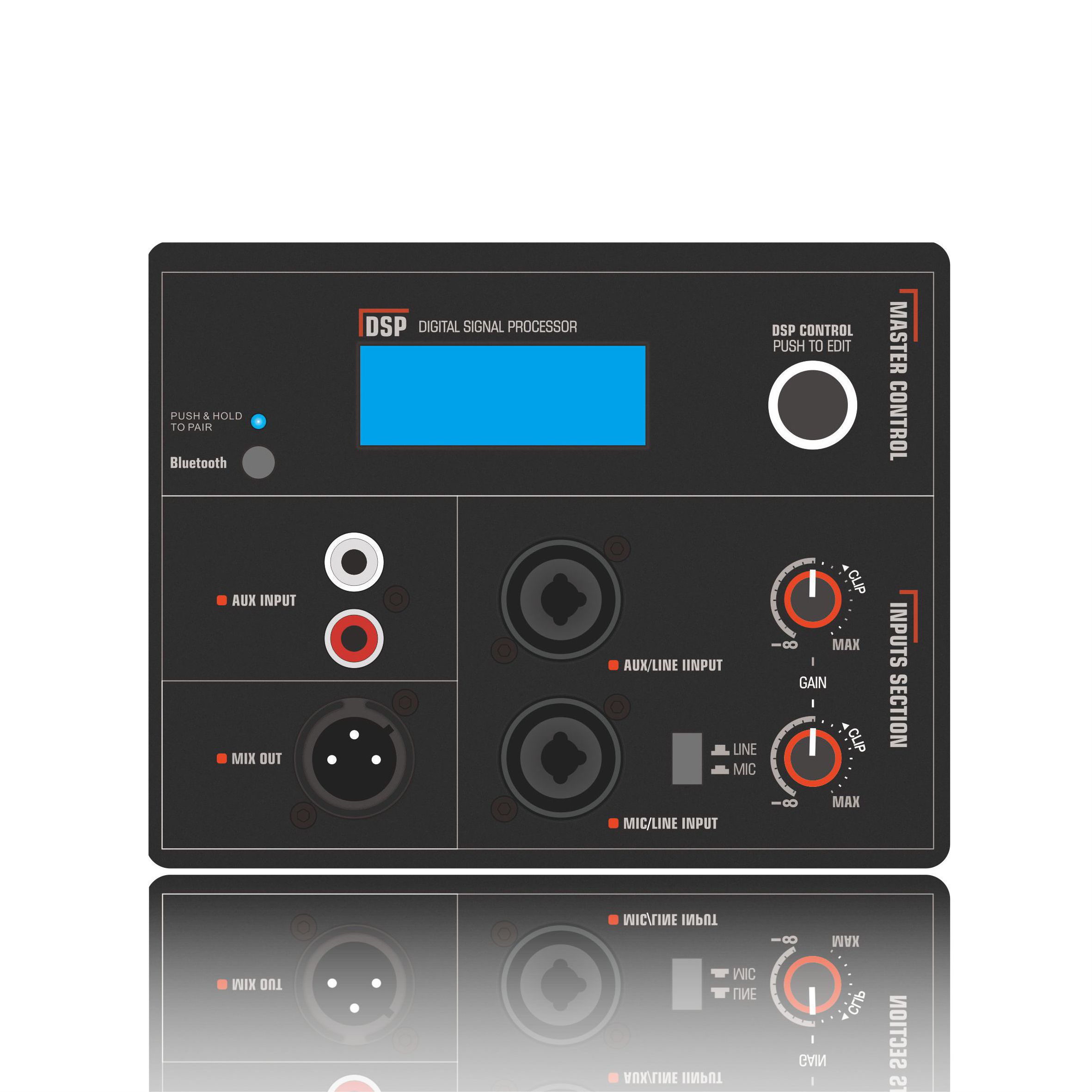
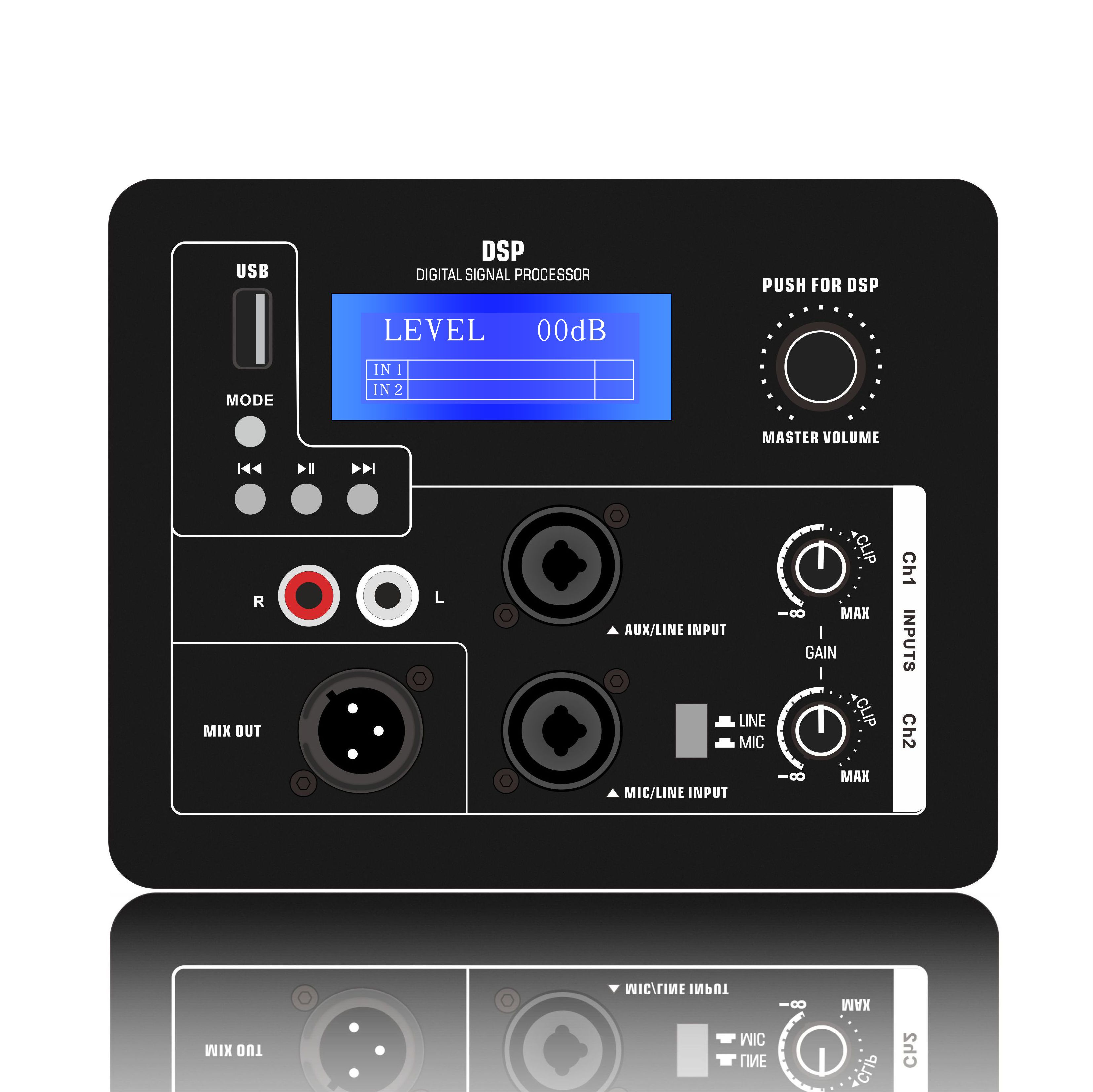
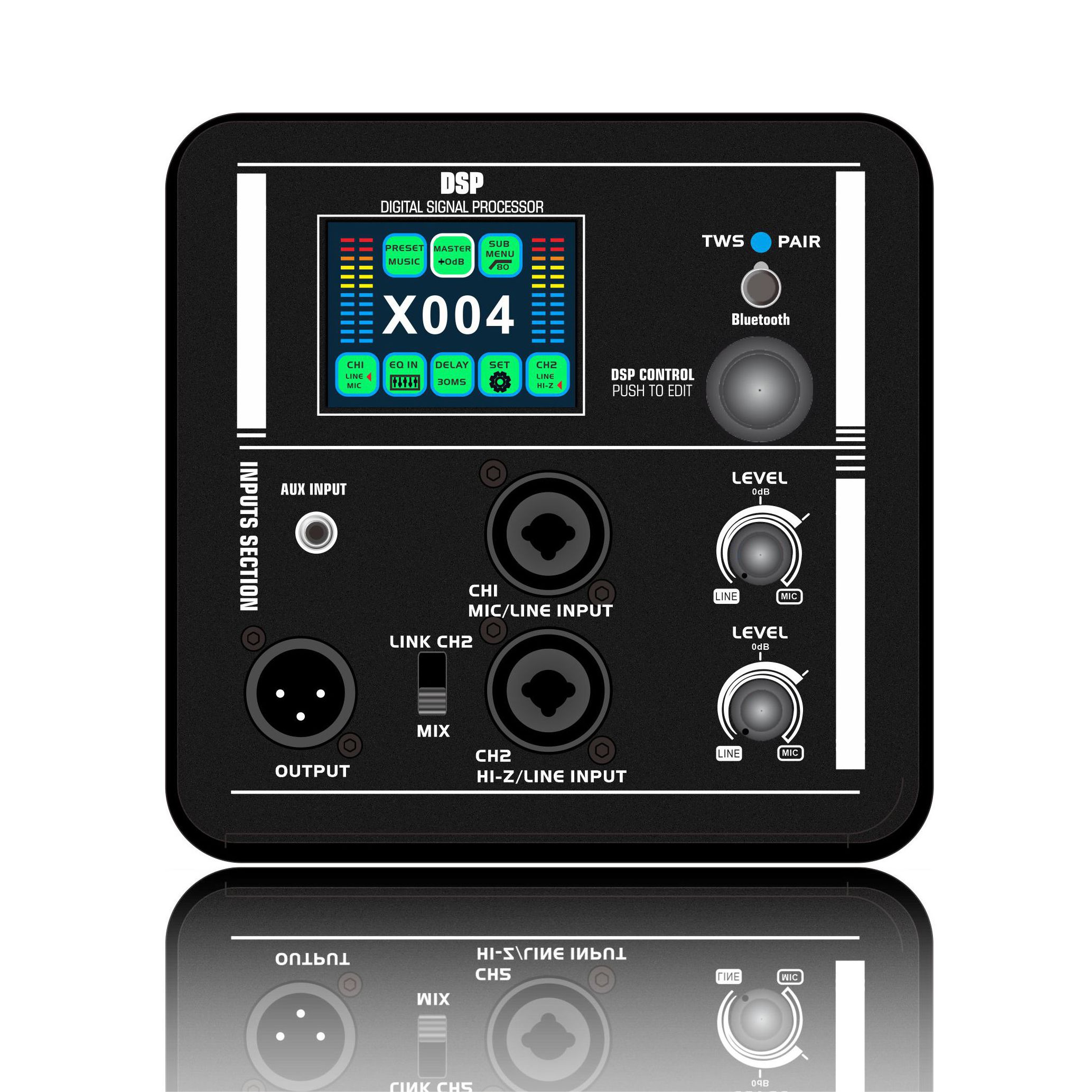
Intelligent system management: The built-in DSP processor can monitor the signal status of each frequency band in real time, provide multiple safety mechanisms such as overload protection and temperature protection, and ensure stable operation of the system.
Dynamic power supply Class H amplification: adopts multi-level voltage power supply technology, and the power supply voltage will be dynamically adjusted with the signal level. Actual measured data shows that this design can increase the power efficiency from about 50% of the traditional AB class to more than 75%, greatly reducing energy consumption and heat generation.
Core technology analysis: perfect integration of electronic frequency division and H-class amplification
The excellent performance of the H-class electronic frequency division system amplifier comes from its unique working principle. It achieves high-quality audio amplification through three key links:
Electronic frequency division processing link
The device first sends the full-band audio signal to the high-performance digital frequency divider, adopts a 24bit/96kHz high-precision processing chip, and uses professional algorithms such as Butterworth and Linkwitz-Rayleigh to accurately divide the signal into three independent channels: low frequency (20-500Hz), intermediate frequency (500-5kHz) and high frequency (5k-20kHz). This pre-frequency division method completely avoids the phase interference and intermodulation distortion problems of traditional power dividers.
Multi-channel collaborative output link
The divided and amplified signals of each frequency band are output to the corresponding speaker unit through professional-grade wiring terminals. The equipment adopts ground isolation design and common mode suppression technology to ensure that the crosstalk between channels is less than -80dB. At the same time, the built-in DSP processor will monitor the load impedance of each channel in real time and automatically adjust the damping coefficient (usually maintained at more than 200) to ensure precise control of the speaker.
Dynamic bias control link
Each frequency band channel is equipped with an independent Class H amplifier circuit. When processing small signals, the system uses low voltage power supply (usually ±25V); when the signal level exceeds the threshold, the intelligent detection circuit automatically switches to high voltage power supply (up to ±75V). This dynamic power supply technology enables the amplifier to always operate in the optimal efficiency range, and the measured total harmonic distortion (THD) can be controlled below 0.03%.
2. Performance advantages in application
In actual engineering applications, the Class H electronic frequency division system amplifier shows many performance advantages:
- Sound quality is significantly improved:electronic frequency division technology enables each frequency band signal to maintain the best phase consistency, the frequency response curve flatness can reach ±1dB, and the transient response is improved by more than 30% compared with the traditional system.
- System efficiency optimization: Dynamic power supply technology enables the equipment to save about 40% energy in typical use scenarios. The actual power consumption of a 500W Class H amplifier is only equivalent to that of a 300W Class AB amplifier.
- Easy installation and debugging: The built-in crossover network eliminates the complex wiring of the external crossover, and the system construction time can be shortened by 50%. Digital parameter settings also facilitate system optimization and adjustment.
- Significantly improved reliability: Multiple protection circuits enable the equipment to work continuously for more than 48 hours under a 4Ω load, and the failure rate is about 60% lower than that of traditional systems.
- Strong scalability:Most products support Dante/AES67 network audio protocols and can be easily integrated into large digital audio systems.
3. Key points for use and maintenance
To give full play to the performance advantages of Class H electronic frequency division system amplifiers, the following key points should be noted:
- System configuration:
Match the amplifier channel according to the speaker power and impedance
Reasonably set the crossover point and filter slope (usually 24dB/oct)
Ensure that the gain of each channel is consistent to avoid level imbalance
Reserve enough heat dissipation space (it is recommended to keep more than 30cm of space around the equipment)
Daily operation specifications
- Power-on sequence:
First turn on the pre-stage equipment, and then turn on the amplifier
Avoid long-term full-power operation (it is recommended that the usage does not exceed 80% of the rated power)
Regularly check the tightness of each connection terminal
Pay attention to the device status indicator
- Maintenance points:
Clean the cooling fan and vents once a quarter
Check the power filter capacitor status once a year
Back up the DSP parameter settings regularly
Avoid long-term use in an environment with a humidity of more than 85%