English
 Español
 中文简体
中文简体
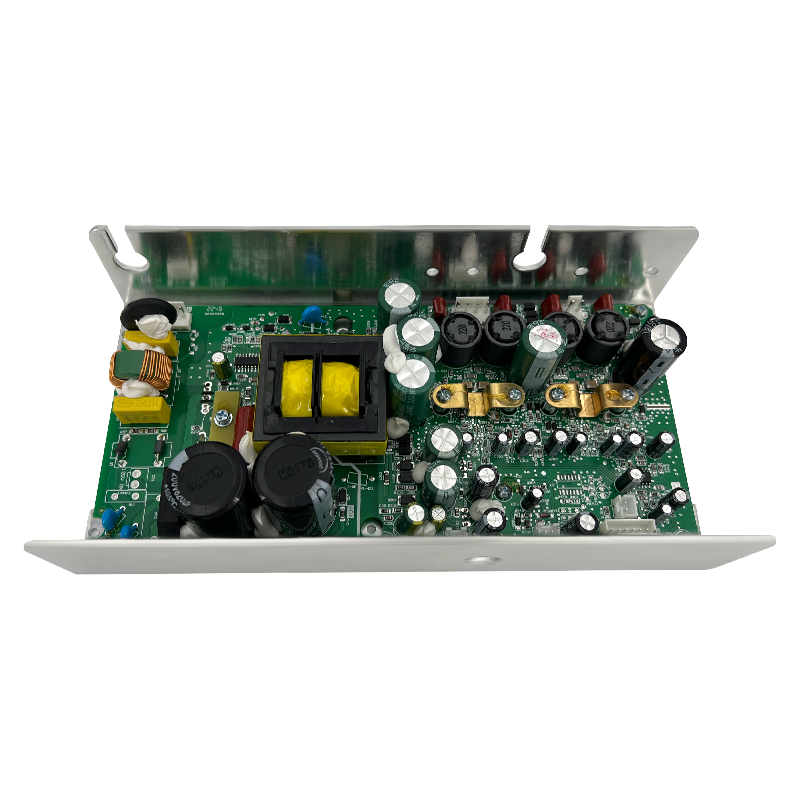
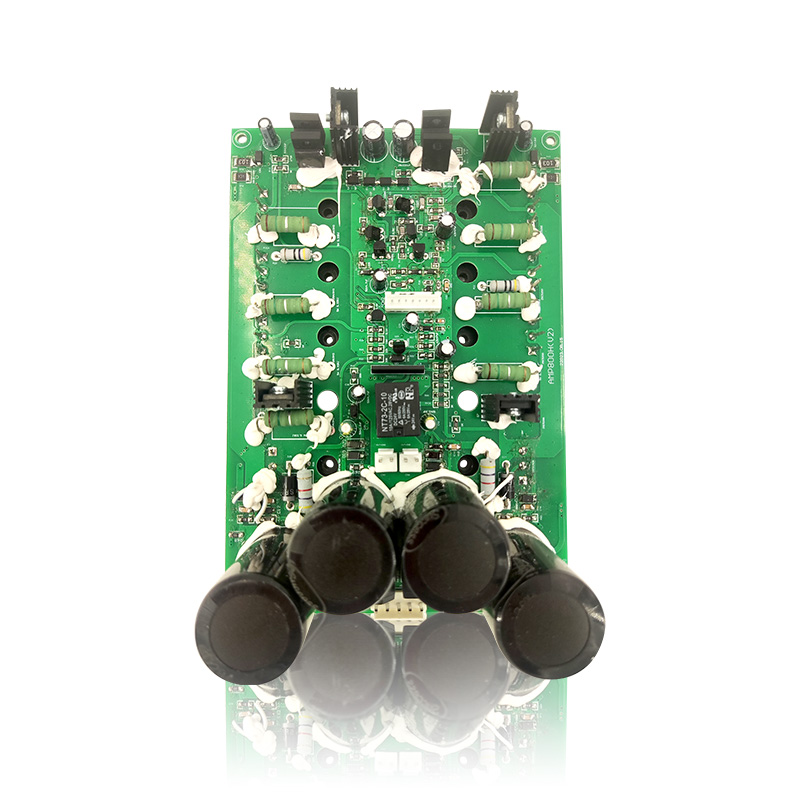
The Class AB amplifier operates based on direct amplification of analog signals. Transistors operate in the linear region, with an on-time between 180° and 360°. This design eliminates the crossover distortion of Class B amplifiers while also avoiding the inefficiency of Class A amplifiers.
1. How a Class AB Amplifier Works
The Class AB amplifier's excellent balance between sound quality and efficiency stems from its ingenious design. Essentially an improvement over the Class B amplifier, it effectively addresses the crossover distortion problem through a simple bias setting.
How it works: In a Class B amplifier, two complementary transistors (one NPN and one PNP) process the positive and negative half-cycles of the signal, respectively. Each transistor conducts only for 180°, resulting in a theoretical efficiency of around 70%. However, this design has an inherent flaw: when the input signal falls below the transistor's turn-on threshold voltage, the transistors fail to respond immediately, resulting in distortion of the output waveform near the zero crossing point, known as "crossover distortion."
Bias Design: Class AB amplifiers use a biasing element (usually a diode or resistor network) between the bases of the two transistors to provide a small quiescent bias current. This keeps the transistors in a slightly conductive state even in the absence of an input signal. When an input signal arrives, the transistors respond instantly and smoothly transition to the conductive state, minimizing crossover distortion.
Linear Amplification: Class AB amplifiers directly amplify analog signals, with the transistors operating in their linear region (with an on-time between 180° and 360°). Distortion primarily comes from harmonic distortion (typically low) during the linear amplification process. This design enables Class AB amplifiers to maintain relatively pure signal amplification characteristics, laying the foundation for high-quality audio reproduction.
2. Sound Quality Characteristics
Class AB amplifiers have a unique sonic appeal, described by many audiophiles as "warm," "natural," and "rich." This sonic quality stems from their analog amplification principles and relatively simple signal path, giving them distinct advantages in music reproduction.
Harmonic Distortion Characteristics: A well-designed Class AB amplifier produces distortion closer to the harmonic distortion acceptable to the human ear, particularly even-order harmonic distortion. This distortion characteristic, similar to that of a tube amplifier, adds a pleasing "color" to the sound, enriching the musical performance.
Dynamic Performance: Class AB amplifiers offer smooth dynamic transitions, effectively handling transient changes in music. This balanced dynamic performance ensures a consistent listening experience across a wide range of volume levels and music genres.
Load Adaptability: The output impedance of a Class AB amplifier is primarily determined by the open-loop output stage and negative feedback. Load variations have minimal impact on the frequency response, resulting in good compatibility with speakers of varying impedance characteristics. This means that even when users upgrade to different brands or models of speakers, Class AB amplifiers maintain relatively stable sound characteristics.
3. How to Choose a Class AB Speaker
When choosing an amplifier, consumers should consider their personal needs, usage scenarios, and budget, rather than blindly following technological trends or preconceived notions. Class AB and Class D amplifiers each have their advantages and limitations, and understanding these characteristics can help you make a decision that better suits your needs.
When to consider Class AB amplifiers: If you're an audiophile who values sound quality, particularly those who enjoy listening to classical music, jazz, vocals, and other genres that require nuanced expression, the warm, natural tones of Class AB amplifiers may better suit your tastes. If you have demanding speakers (such as those with complex impedance curves), Class AB amplifiers generally offer greater compatibility. Furthermore, if you're concerned about technical complexity, Class AB amplifiers are relatively straightforward to design and are generally easier to maintain and adjust.