English
 Español
 中文简体

Home / News / Industry News / What Is a Class D Amplifier? Working Principle, Efficiency and OEM Design Basics
Put your hand on the back of a 500 W powered speaker after an hour of playback. A Class A or Class AB design is usually too hot to touch; a Class D amplifier is often just warm. That one difference explains most of what matters.
A Class D amplifier is a switching amplifier. Its output transistors are driven fully on or fully off at a high frequency, and the audio information is carried by the width of those pulses rather than by the linear operating point of the devices. An LC low-pass filter at the output strips the switching carrier and leaves the amplified audio. Because the transistors almost never sit in the linear region, very little energy turns into heat: typical efficiency lands between 80% and 95%, against roughly 25-30% for Class A and 50-70% for Class AB.
Content
- 1 What Is a Class D Amplifier, Exactly?
- 2 How a Class D Amplifier Works, Step by Step
- 3 Class D vs Class A, AB and H: What Actually Changes
- 4 Where Class D Belongs in a Powered Speaker or Subwoofer
- 5 What to Check Before You Specify a Class D Module
- 6 Class D Amplifier FAQ
- 6.1 Q1. What is a Class D amplifier used for?
- 6.2 Q2. Is a Class D amplifier better than a Class AB amplifier?
- 6.3 Q3. Do Class D amplifiers sound harsh or distorted?
- 6.4 Q4. What is the efficiency of a Class D power amplifier module?
- 6.5 Q5. Can a Class D amplifier module drive a 4 ohm subwoofer?
- 6.6 Q6. What is the difference between Class D and Class H amplifiers?
What Is a Class D Amplifier, Exactly?
The letter D does not stand for "digital." It is simply the next letter in the sequence of amplifier classes, and the audio path inside a Class D stage is analog: a pulse-width modulation (PWM) process, not a stream of ones and zeros. What is genuinely digital in a modern powered speaker is usually the DSP feeding the amplifier, not the amplifier itself.
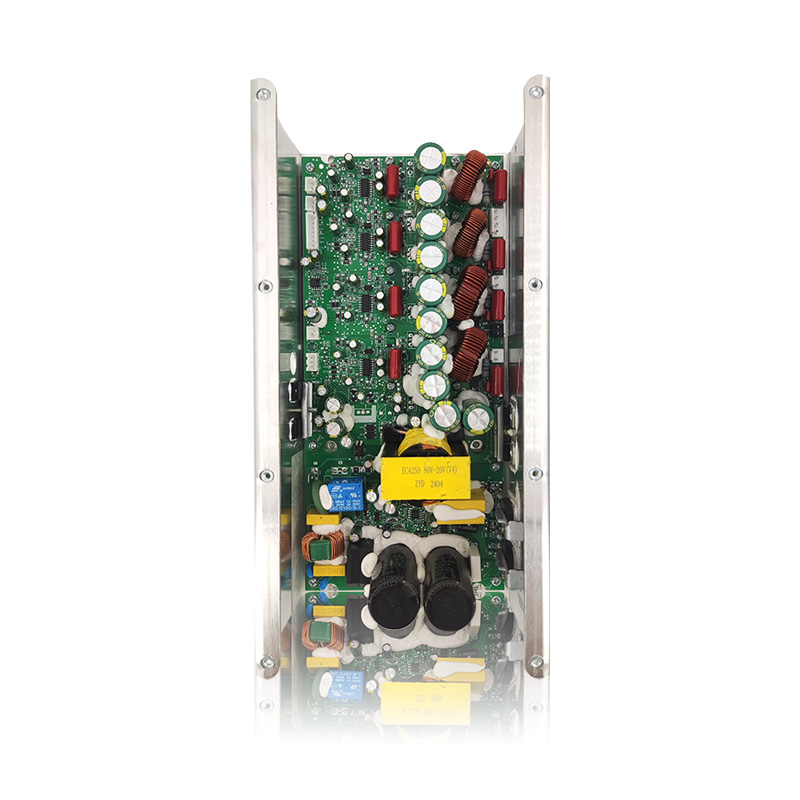
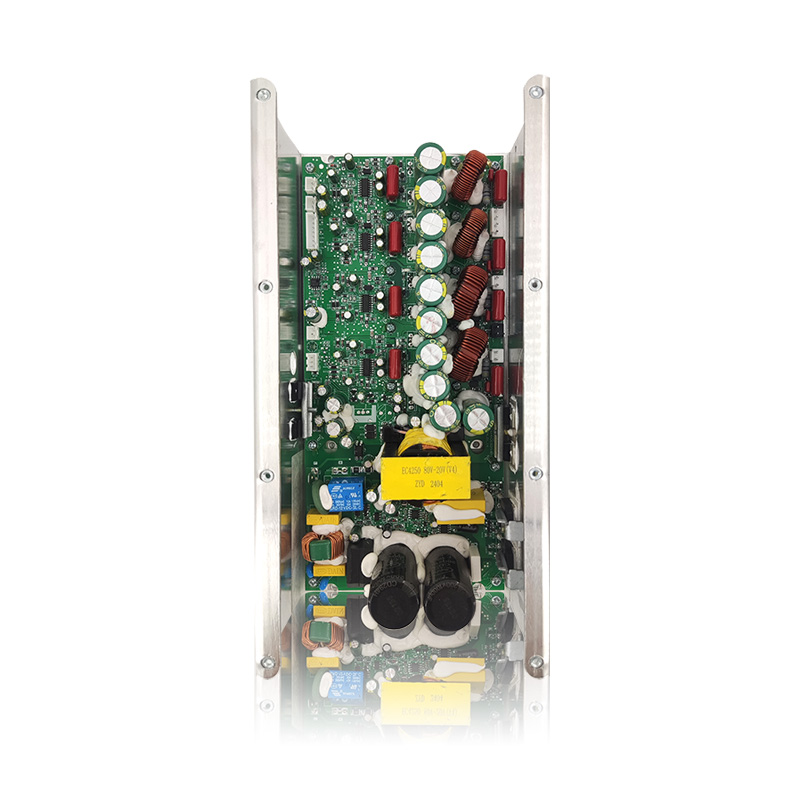
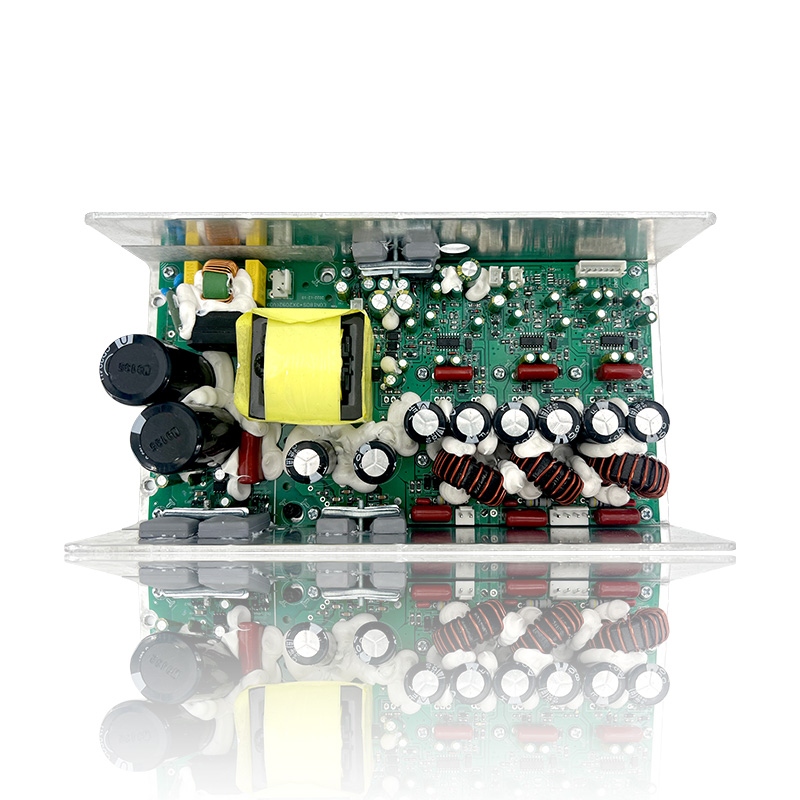
A typical Class D power amplifier module contains five functional blocks:
- Pulse-width modulator - compares the incoming audio with a high-frequency triangle carrier and produces a square wave whose duty cycle follows the instantaneous signal level.
- Gate driver and MOSFET output stage - switches the supply rails at several hundred kHz, arranged as a half bridge or, at higher power, as a full bridge (BTL) configuration.
- LC output filter - averages the pulse train back into an audio waveform and keeps switching residue away from the driver.
- Feedback network - samples the output and corrects errors, which is what separates a clean Class D design from a harsh one.
- Switch-mode power supply - often a PFC front end plus an LLC resonant stage in professional modules, holding the rail steady across a wide AC input range.
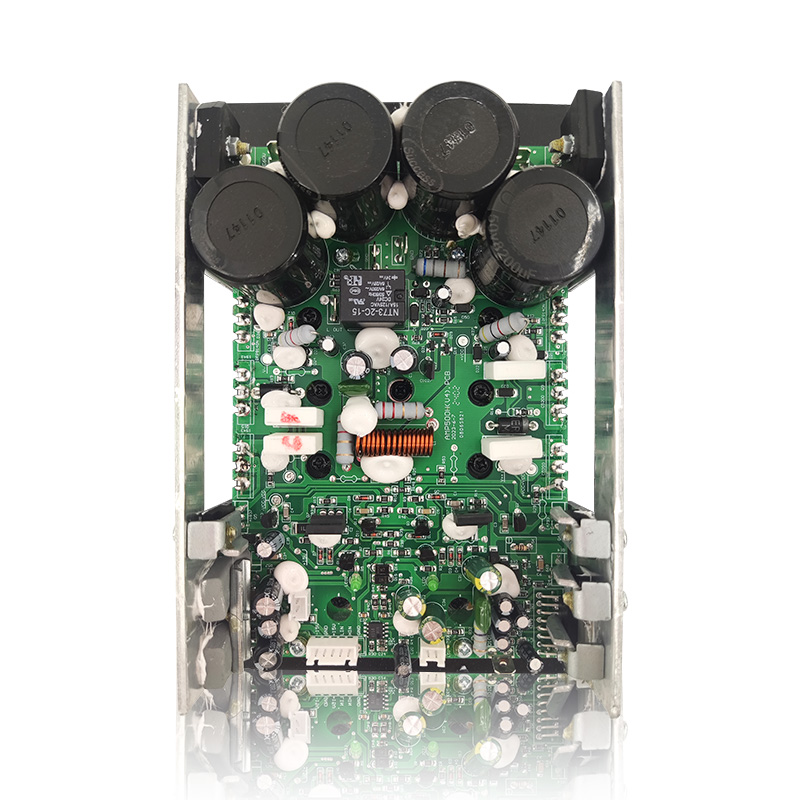
A - PFC and LLC resonant power supply; B - PWM modulator and gate driver; C - MOSFET output stage; D - LC output filter with feedback.
How a Class D Amplifier Works, Step by Step
- Input conditioning. The line or balanced input is buffered and, in DSP-equipped modules, passes through EQ, crossover, limiting and delay before the power stage.
- Modulation. A comparator mixes the audio with a triangle carrier. Loud passages produce wide pulses; silence produces a 50% duty cycle that the filter averages to zero.
- Switching. The gate driver turns the MOSFETs hard on and hard off, with dead time inserted so both devices in a half bridge never conduct at once.
- Reconstruction. The LC filter passes audio and blocks the carrier, with its cutoff placed well above 20 kHz but well below the switching frequency.
- Error correction. Feedback returns a scaled copy of the output to the modulator, lowering distortion and improving damping factor at the terminals.
Two details decide whether the result sounds clean or coarse: switching frequency and loop design. Raising switching frequency shrinks the filter and improves high-frequency behavior, but increases switching loss and EMI. Pre-filter feedback is simple but load-sensitive; post-filter feedback corrects the filter's own errors and is standard in modules that must stay flat into 4 ohm or 8 ohm loads.
Class D vs Class A, AB and H: What Actually Changes
Class is not a quality rating. It describes how the output devices conduct, and that single choice drives efficiency, heat, cabinet size and power supply cost.
| Class | How the output devices conduct | Typical efficiency | Heat and heatsink | Where you still meet it |
|---|---|---|---|---|
| A | Conducting 100% of the time | 25-30% | Large and heavy | Small-signal and high-end hi-fi |
| AB | Conducting 50-100% of the time | 50-70% | Moderate | Analog powered mixers, value speakers |
| H | Rail voltage tracks the signal | 65-80% | Moderate, U-shaped aluminium radiators | High-power subwoofers, touring racks |
| D | Switching on and off | 80-95% | Small, often the chassis itself | Powered speakers, subwoofers, line array |
Typical full-power efficiency by amplifier class
The gap compounds quickly. At 90% efficiency, a 1000 W module turns roughly 110 W into heat; at 55% the same output means more than 800 W of heat. That is the difference between a fanless moulded cabinet and a rack unit with forced cooling.
Class D was once dismissed for EMI, load-dependent frequency response and higher distortion near the top of the band. Those complaints came from low switching frequencies and pre-filter feedback, and they have largely been engineered out. What matters more than the class label today is the implementation: loop topology, switching frequency, power supply quality and thermal design.
Where Class D Belongs in a Powered Speaker or Subwoofer
For an OEM building active loudspeakers, the cabinet usually makes the decision. A column speaker or a moulded two-way box has no room for a linear supply and a large heatsink, so a single switching board delivering, for example, 400 W to the low-frequency driver and 100 W to the high-frequency driver is the practical answer. The same logic applies to BTL subwoofer channels, where one module can push four figures of wattage into an 8 ohm load without a fan.
Three module families cover most of that ground:
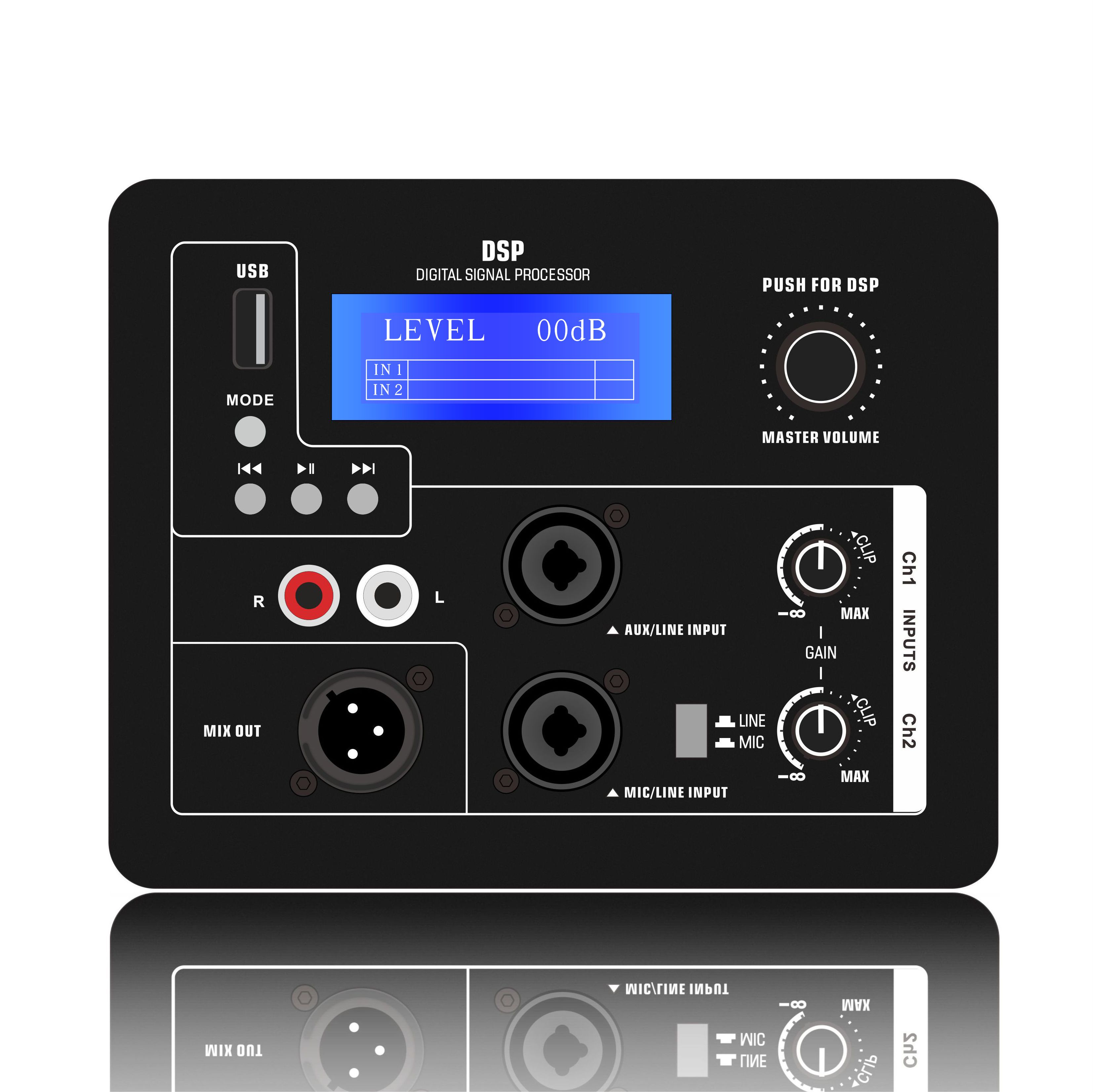
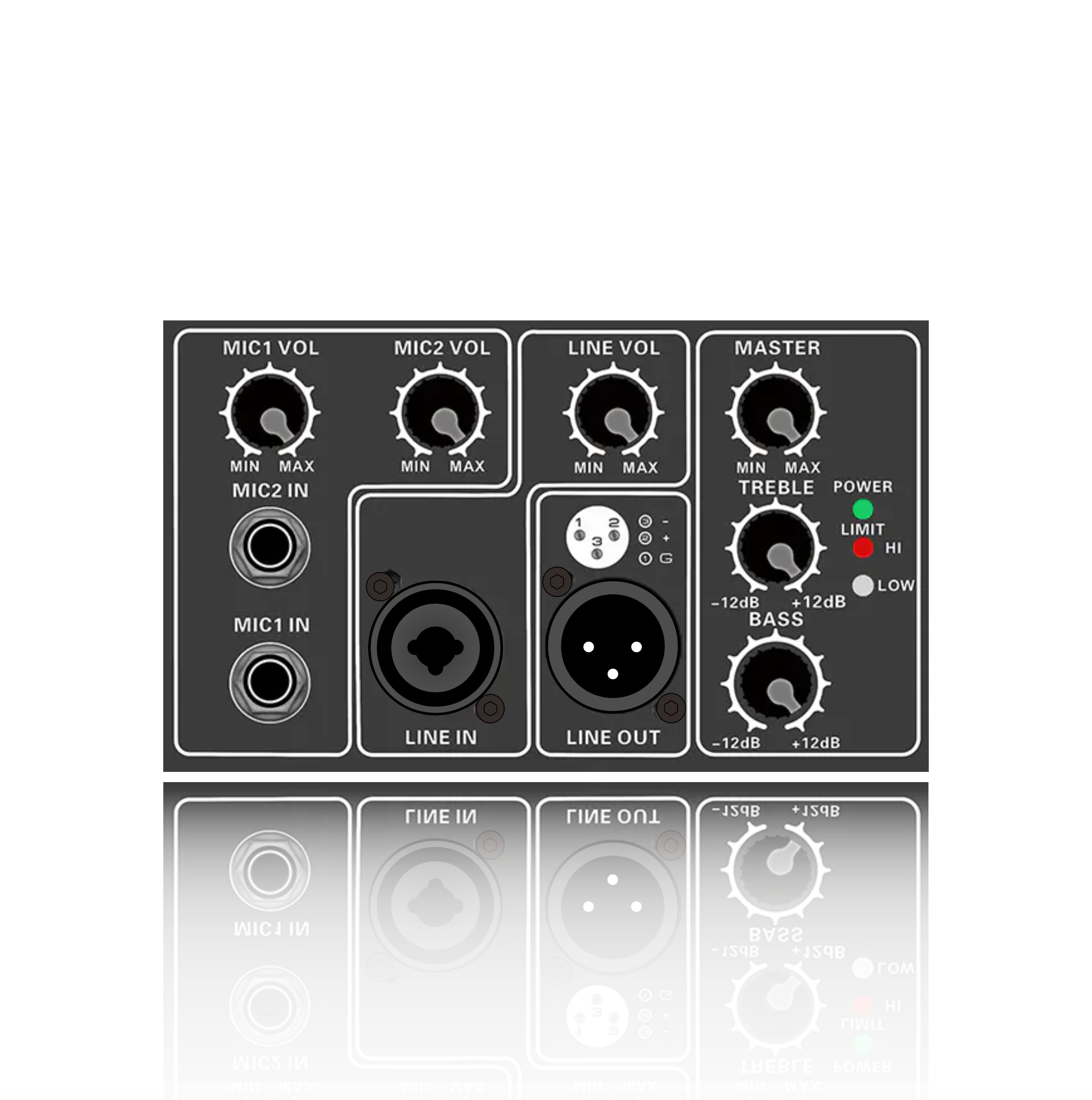
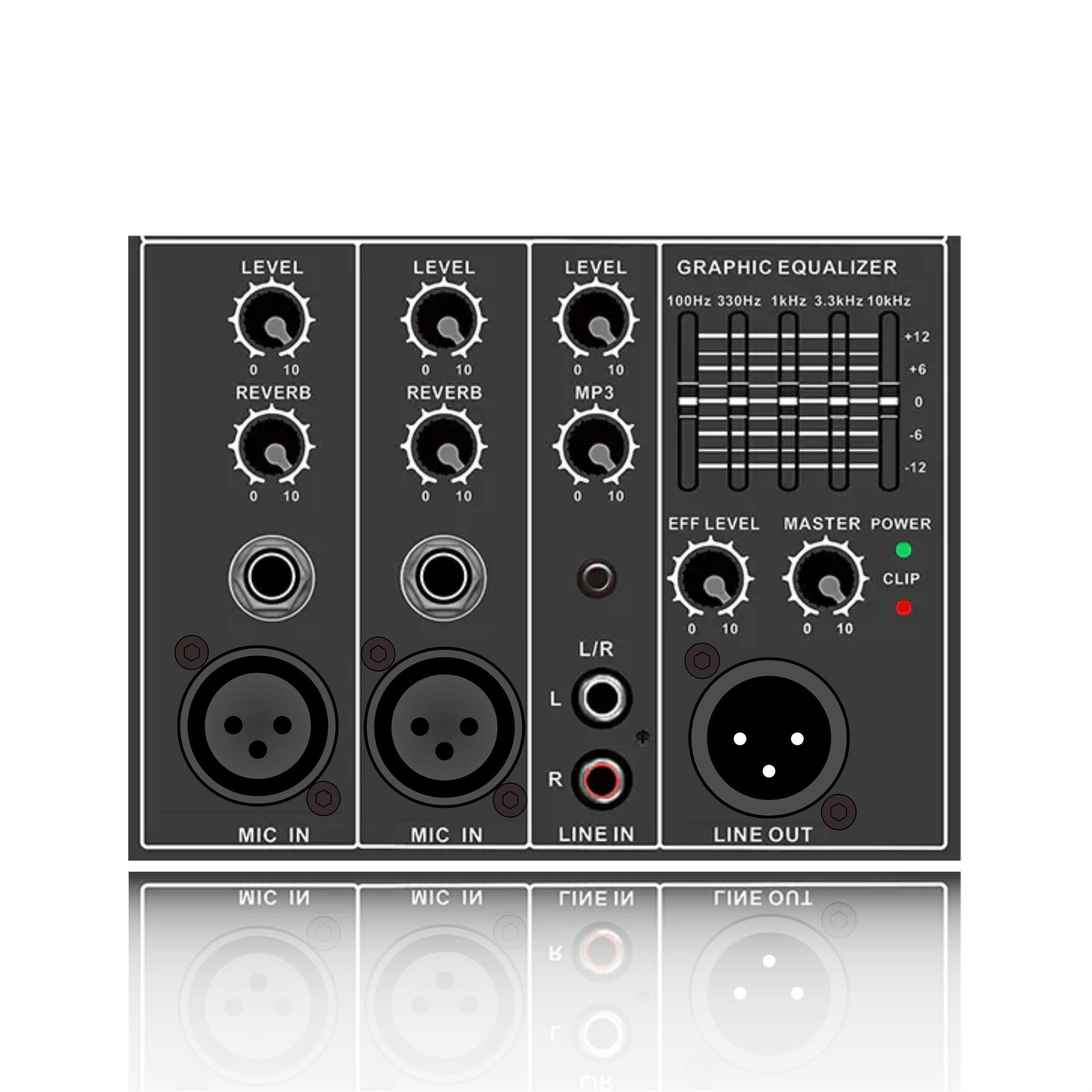
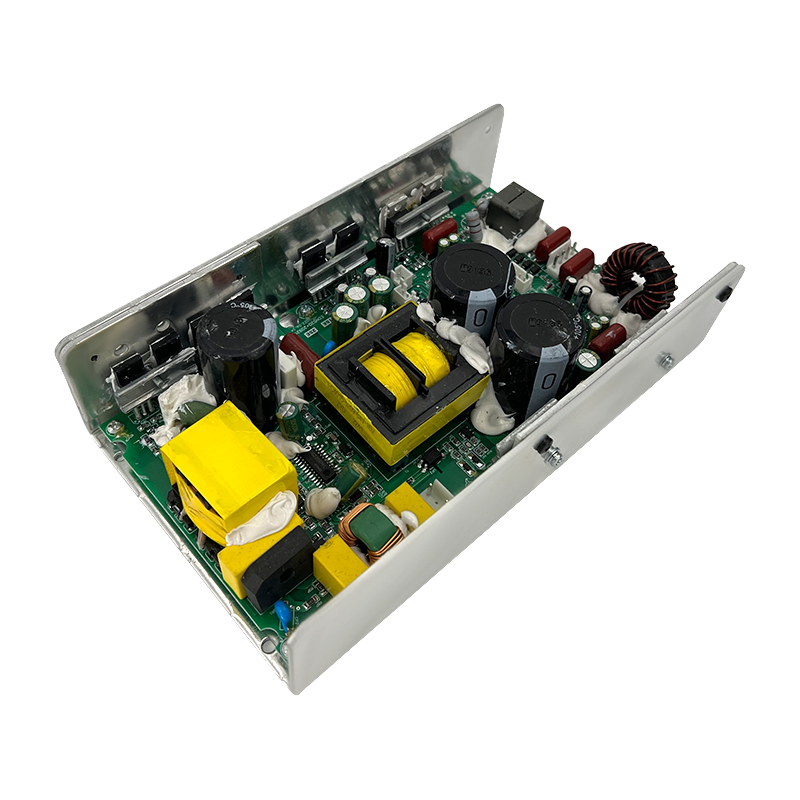 EON520: LP400W+HP100W PFC+LLC Resonance Wide Voltage Class D Power Amplifier Module● High Efficiency Switching Power Supply with PFC+LLC Resonance: 800W ● Self-adaptive Wide Voltage Input: 100V-240V ● Mid and Low-Frequency Power Amplifier: CLASS D 40...View Product →
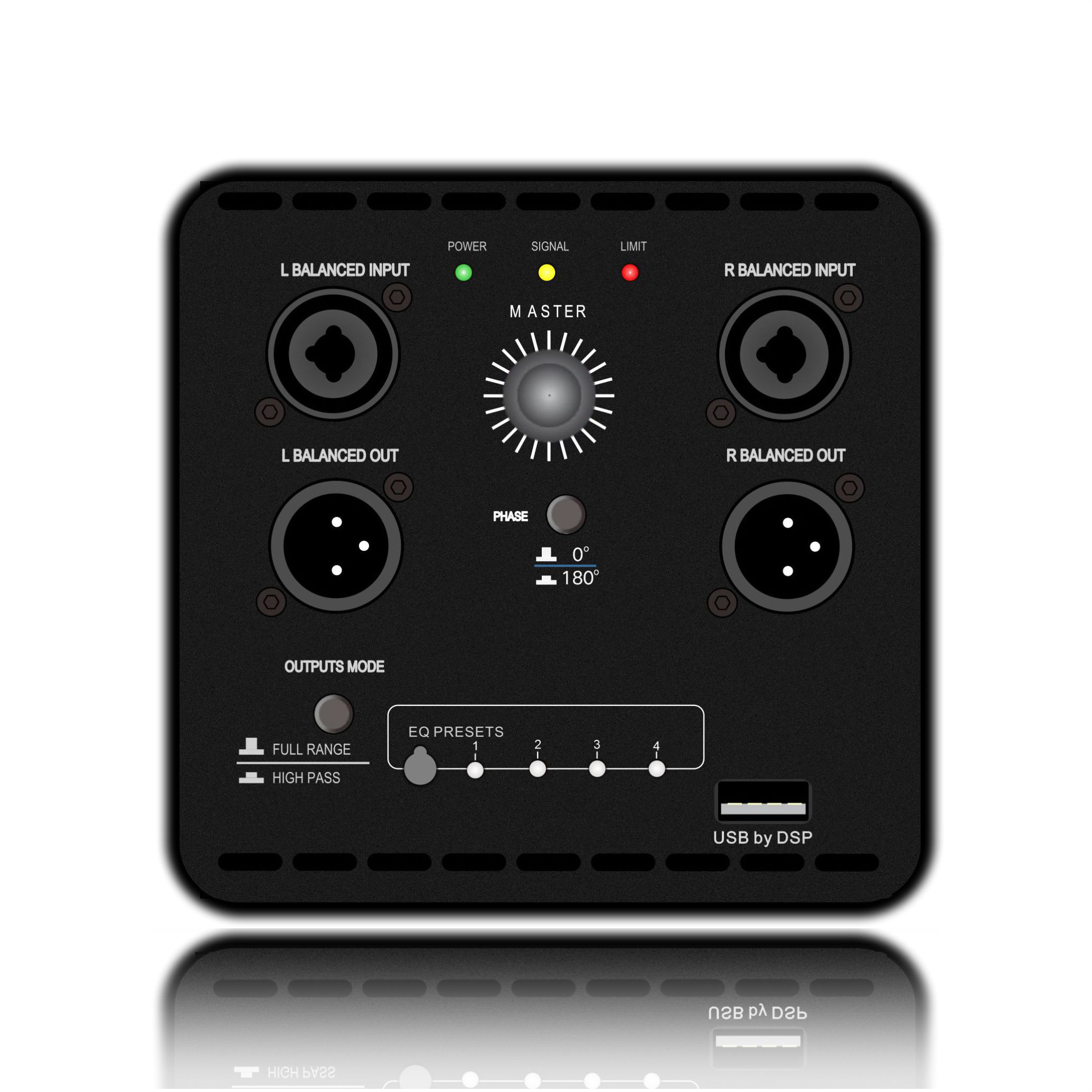
 EON522SUB: LP 500W/4ohm LLC Resonant Active Subwoofer Power Amplifier Module●LLC Resonant High Efficiency and High Reliability Switching Power Supply: 800W ●Bass Amplifier: CLASS D 500W-4 Ohms ●U-shaped Aluminum Radiator, Stable Power Output, ...View Product →
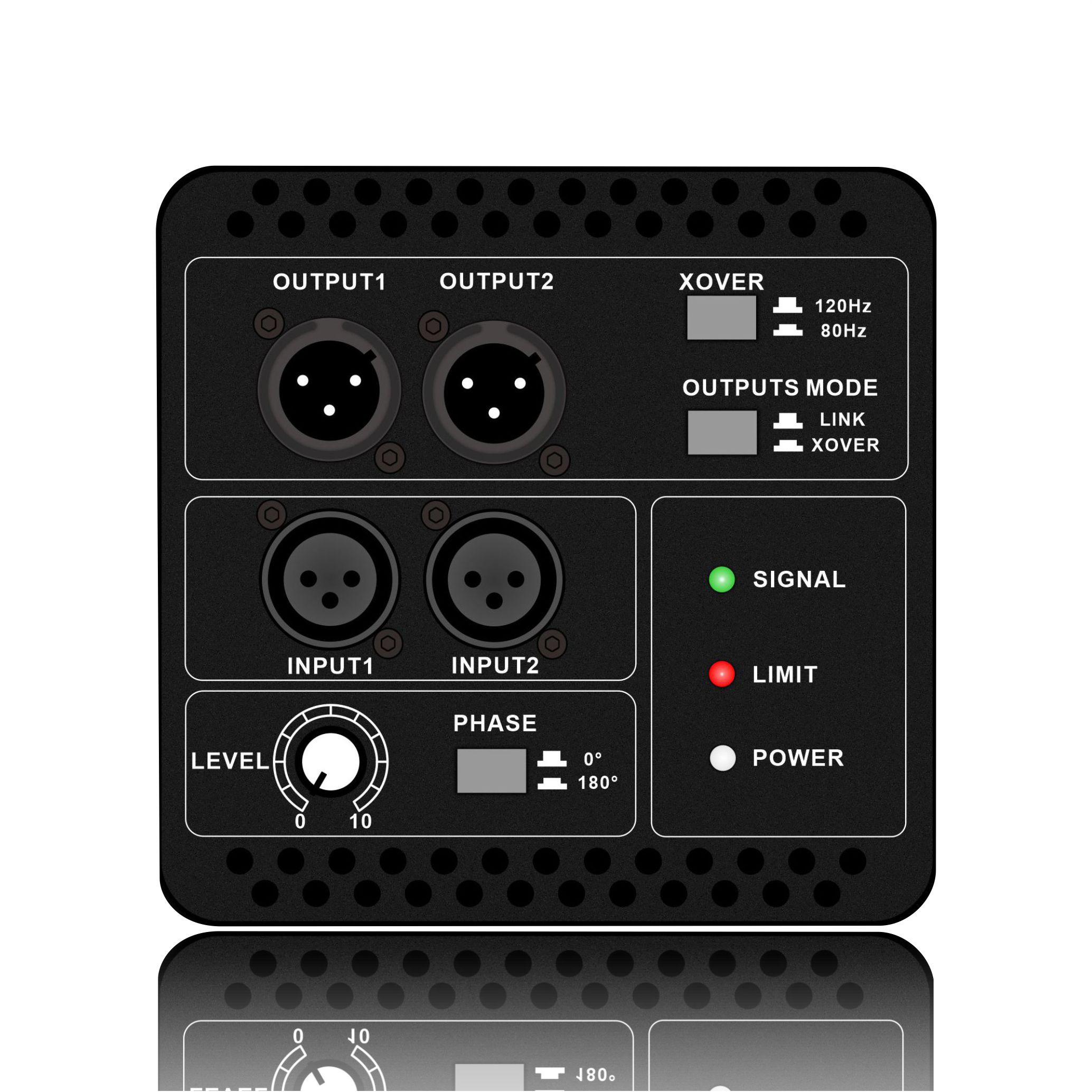
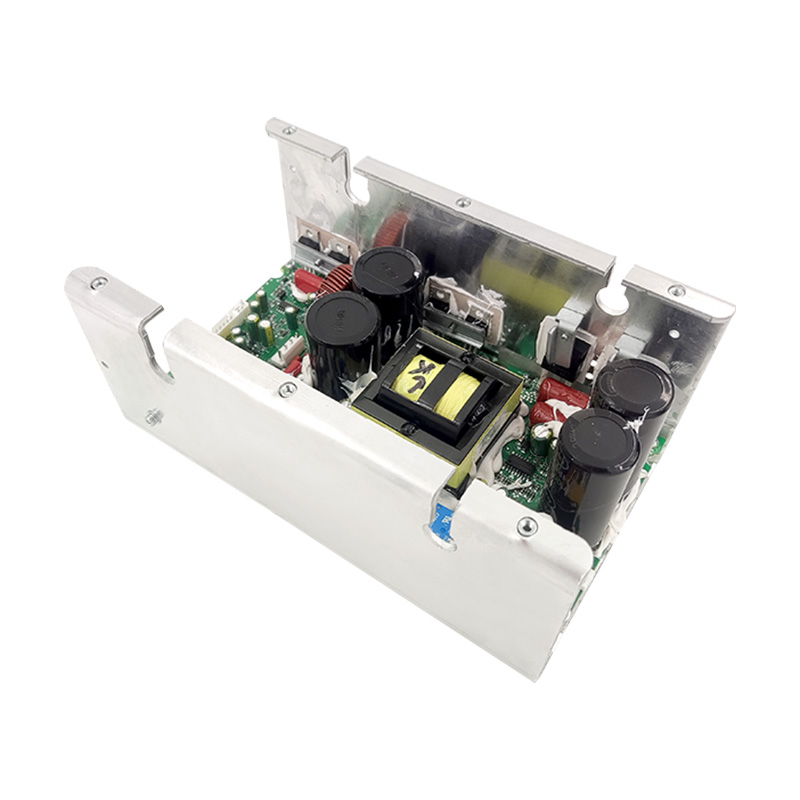 EON521+1500:LP 1500W/8ohm Pro Audio BTL Subwoofer Power Amplifier Module●LLC Resonant High Efficiency and High Reliability Switching Power Supply: 1800W ●BTL Power Amplifier: CLASS D 1500W-8 Ohm ●U-shaped Aluminum Radiator, Stable Power Ou...View Product →
Matching the module to the transducer matters as much as matching wattage. A two-way module pairs a low-pass channel with a high-pass channel and expects a crossover point that suits your HF driver; a subwoofer module expects a band-limited input and the load impedance it was designed around. Mismatched impedance and crossover points are the most common reason a Class D module measures well on the bench and sounds wrong inside the cabinet.
What to Check Before You Specify a Class D Module
Efficiency at the load you actually use
Datasheets quote peak efficiency at one operating point. Ask for the curve across 10% to 100% of rated power, and at 4 ohm, 8 ohm and bridged loads, because efficiency falls as load impedance drops.
THD+N and residual noise
0.05% THD+N or lower is a normal target for a modern module. Residual noise matters more than distortion in a quiet listening room, so check the unweighted noise floor rather than only the headline figure. For a wider comparison of topologies, the amplifier class guide covers A, AB, D and H side by side.
Switching frequency, EMI and dead time
Higher switching frequency means a smaller filter and better high-frequency performance, but tighter dead-time control and more careful PCB layout. If the module will sit near a radio tuner or a wireless microphone receiver, ask for conducted and radiated EMI data.
Power supply topology and protection
PFC plus LLC resonance is the usual answer for wide-voltage operation and stable rails. Confirm that overcurrent, overvoltage, DC offset and thermal protection are included, and check what happens at brownout rather than only at nominal mains.
When a standard part does not fit the cabinet, the load or the DSP feature list, the practical route is to adapt an existing platform: custom amplifier module development usually starts from a proven power stage and adjusts output channels, EQ modes and interface rather than designing a new amplifier from scratch.
Class D Amplifier FAQ
Q1. What is a Class D amplifier used for?
Powered speakers, active subwoofers, line array modules, portable battery speakers and car audio - anywhere high output power must fit a small enclosure with limited cooling.
Q2. Is a Class D amplifier better than a Class AB amplifier?
For high-power powered systems, usually yes: better efficiency, less heat and a smaller footprint. Class AB remains a reasonable choice for low-power analog designs and for engineers who value its simpler EMI profile.
Q3. Do Class D amplifiers sound harsh or distorted?
Early models did. Modern modules using post-filter feedback and switching frequencies in the hundreds of kHz hold THD+N near 0.05% across the audio band, which is comparable to the analog amplifiers they replace.
Q4. What is the efficiency of a Class D power amplifier module?
Typically 80-95% at rated output. A 1000 W module therefore dissipates roughly 50-250 W as heat, while a 50-70% Class AB stage at the same output dissipates 430-1000 W.
Q5. Can a Class D amplifier module drive a 4 ohm subwoofer?
Only if it is specified for that load. A BTL subwoofer module optimized for 8 ohm is not interchangeable with a 4 ohm design; the wrong load can trigger overcurrent protection or overheat the output stage.
Q6. What is the difference between Class D and Class H amplifiers?
Class H keeps a linear output stage but varies the supply rail to follow the signal, cutting heat while preserving linear behavior. Class D switches the output stage instead, cutting heat far more and shrinking the power supply, at the cost of more care around EMI and output filtering.