English
 Español
 中文简体
中文简体
Content
What is a Class H Loudspeaker Amplifier?
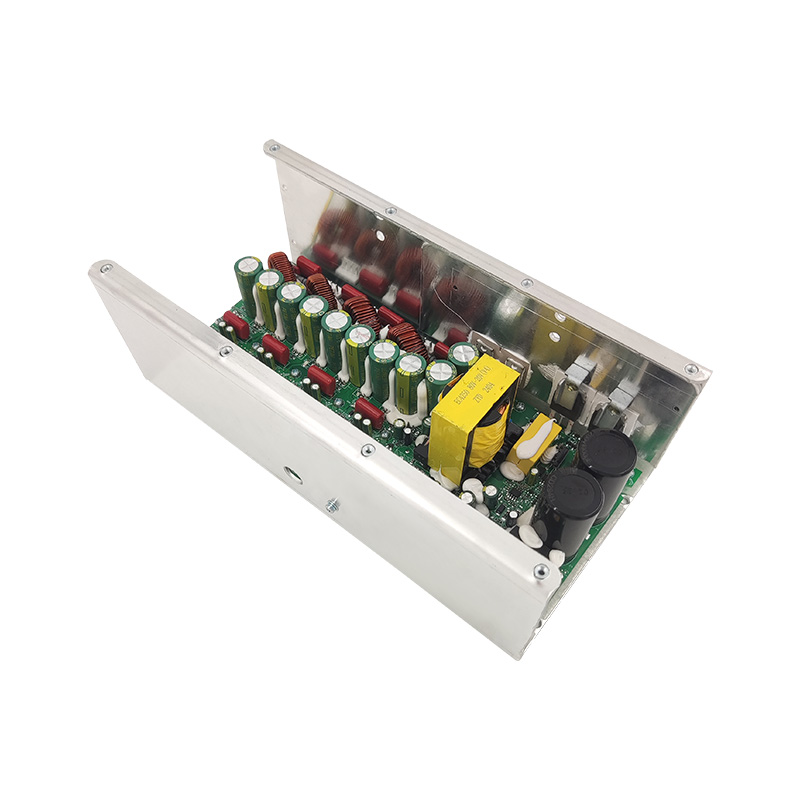
A Class H loudspeaker amplifier is an advanced type of audio amplifier that utilizes a technique called "dynamic rail switching" to improve efficiency while delivering high-quality sound. Unlike traditional amplifiers, which use fixed voltage rails, Class H amplifiers adjust the voltage rails dynamically based on the audio signal's demands. This feature allows the amplifier to operate more efficiently, reducing power consumption while maintaining sound fidelity.
How Does a Class H Loudspeaker Amplifier Work?
Class H amplifiers operate by dynamically adjusting the supply voltage to the output stage based on the signal’s requirements. Here’s how the process works:
- Dynamic Voltage Adjustment: The amplifier uses a control circuit to switch between multiple voltage rails. When the audio signal requires higher power, the amplifier switches to a higher voltage rail to ensure optimal performance.
- Efficient Power Usage: By adjusting the voltage to the signal’s needs, the amplifier reduces the overall power consumption. This makes Class H amplifiers more efficient than their Class A or Class AB counterparts, which constantly run at full power.
- High-Fidelity Output: The amplifier delivers clean, distortion-free sound, maintaining the integrity of the original audio signal, even at higher output levels.
Benefits of Class H Loudspeaker Amplifiers
Class H amplifiers provide several distinct advantages, especially in high-performance audio systems:
- Increased Efficiency: Class H amplifiers are significantly more efficient than Class A or AB amplifiers. Their ability to adjust the voltage supply based on demand reduces wasted energy, leading to less heat generation and better overall power efficiency.
- Improved Sound Quality: Class H amplifiers are designed to deliver high-quality sound output, with minimal distortion and excellent clarity even at high volume levels.
- Compact Size: Due to their improved efficiency, Class H amplifiers can operate in smaller chassis, making them ideal for space-constrained installations or portable audio systems.
- Reduced Heat Production: By adjusting power to match the signal needs, these amplifiers generate less heat, which extends the lifespan of both the amplifier and the speakers.
Having learned about the advantages and features of loudspeaker amplifiers, you might also want to know what to consider when purchasing a Class H speaker amplifier?
Applications of Class H Loudspeaker Amplifiers
Class H amplifiers are well-suited for various applications where high-efficiency and high-quality audio output are crucial:
- Public Address (PA) Systems: Due to their efficiency and ability to deliver clear sound, Class H amplifiers are commonly used in PA systems for concerts, conferences, and large gatherings.
- Home Audio Systems: Audiophiles often use Class H amplifiers in home audio systems where high fidelity and efficiency are essential for a premium listening experience.
- Professional Audio Equipment: Sound engineers use Class H amplifiers in professional audio setups for live sound reinforcement, ensuring reliable performance in demanding environments.
- Portable Audio Systems: The compact size and low power consumption make Class H amplifiers ideal for battery-powered, portable audio systems like outdoor speakers or mobile sound equipment.
How to Choose the Right Class H Loudspeaker Amplifier
When selecting a Class H amplifier for your audio setup, consider the following factors:
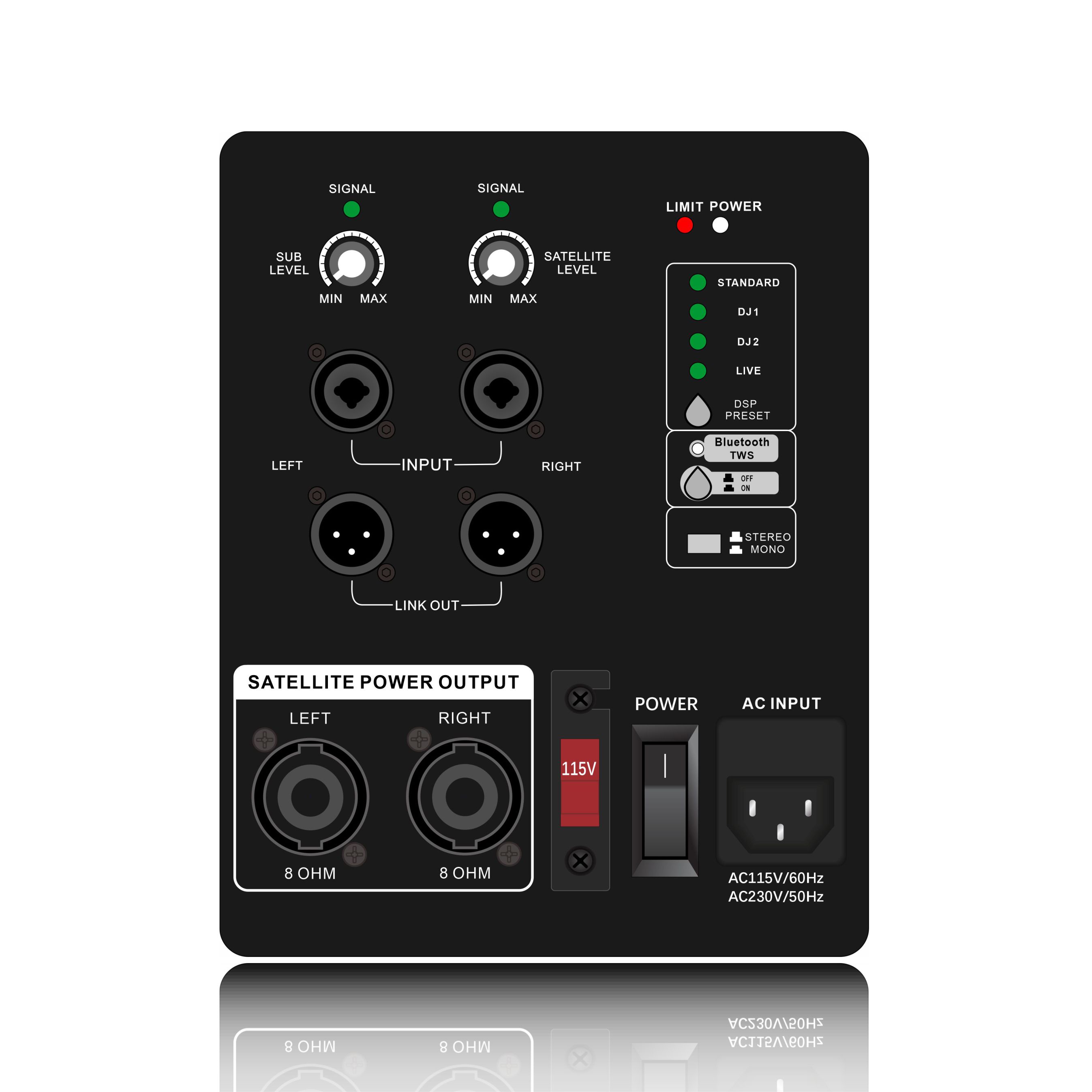
- Power Output: Ensure that the amplifier provides enough power to drive your speakers effectively. Consider the amplifier’s wattage and whether it matches the power requirements of your speaker system.
- Impedance Compatibility: The amplifier should be compatible with the impedance (measured in ohms) of your speakers to prevent damage and ensure optimal performance.
- Distortion and Noise Levels: Look for an amplifier with low total harmonic distortion (THD) to ensure clean, distortion-free audio output.
- Size and Portability: If you're working in a space-constrained area or need a portable solution, select a compact amplifier that offers the required power without taking up too much space.
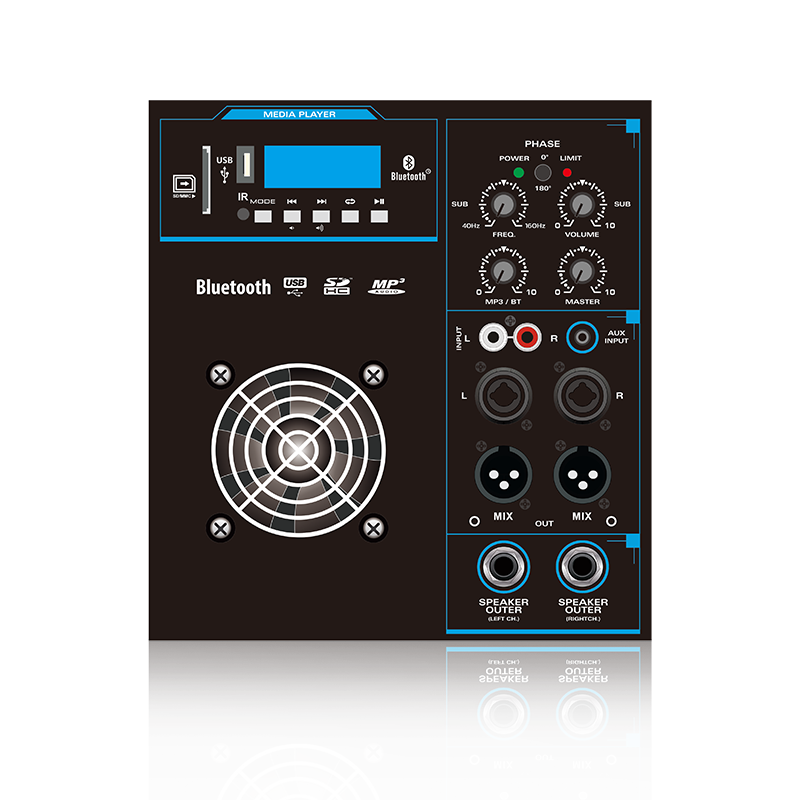
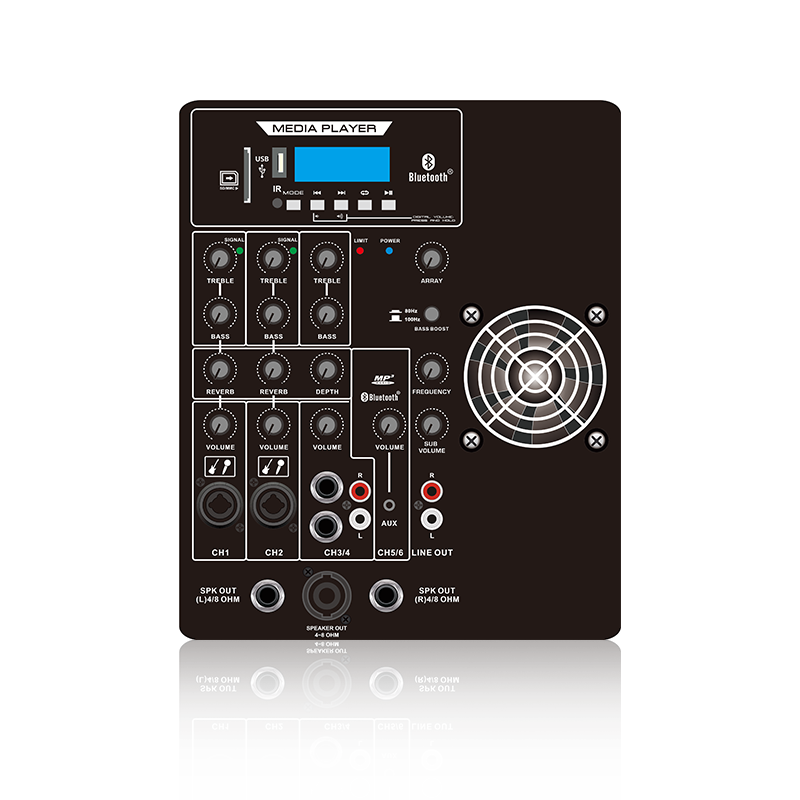
- Cooling Features: Some Class H amplifiers come with built-in cooling systems, such as fans or heat sinks, to manage heat and improve reliability during extended use.
FAQ
1. What is the difference between Class H and Class AB amplifiers?
Class H amplifiers are more energy-efficient than Class AB amplifiers because they dynamically adjust their voltage rails to match the signal's needs. This reduces power consumption and heat generation compared to the constant power output in Class AB amplifiers.
2. Are Class H amplifiers suitable for high-power applications?
Yes, Class H amplifiers can be used for high-power applications. They are designed to handle significant audio demands while maintaining efficiency and low heat output, making them suitable for large sound systems and professional audio setups.
3. Do Class H amplifiers produce less distortion than Class D amplifiers?
Class H amplifiers typically offer low distortion levels, but Class D amplifiers, which use digital modulation techniques, may offer even lower distortion at higher efficiency levels. The choice between the two depends on the specific requirements of your audio system.