English
 Español
 中文简体
中文简体
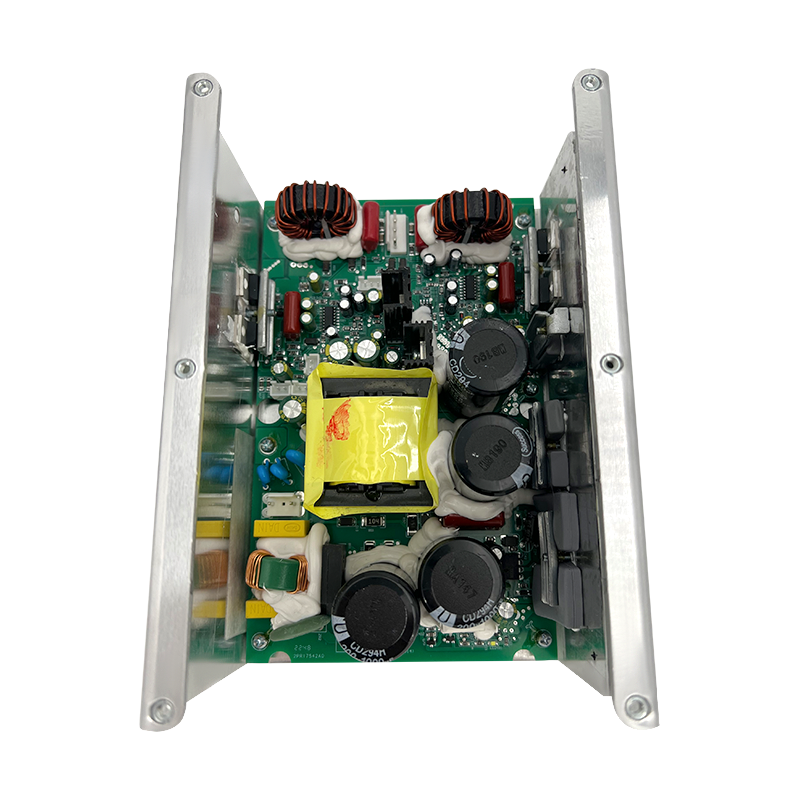
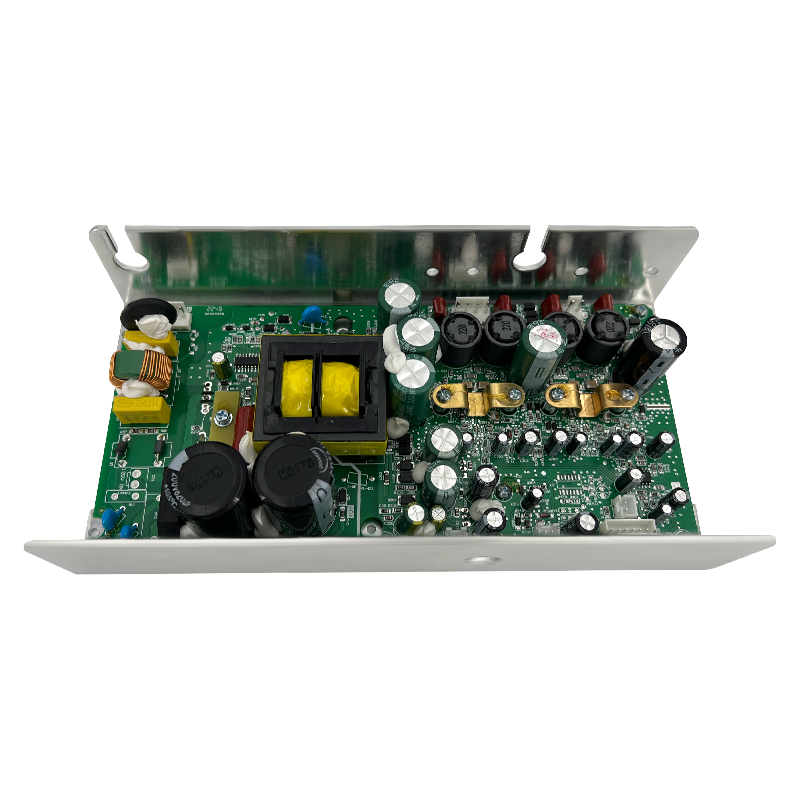
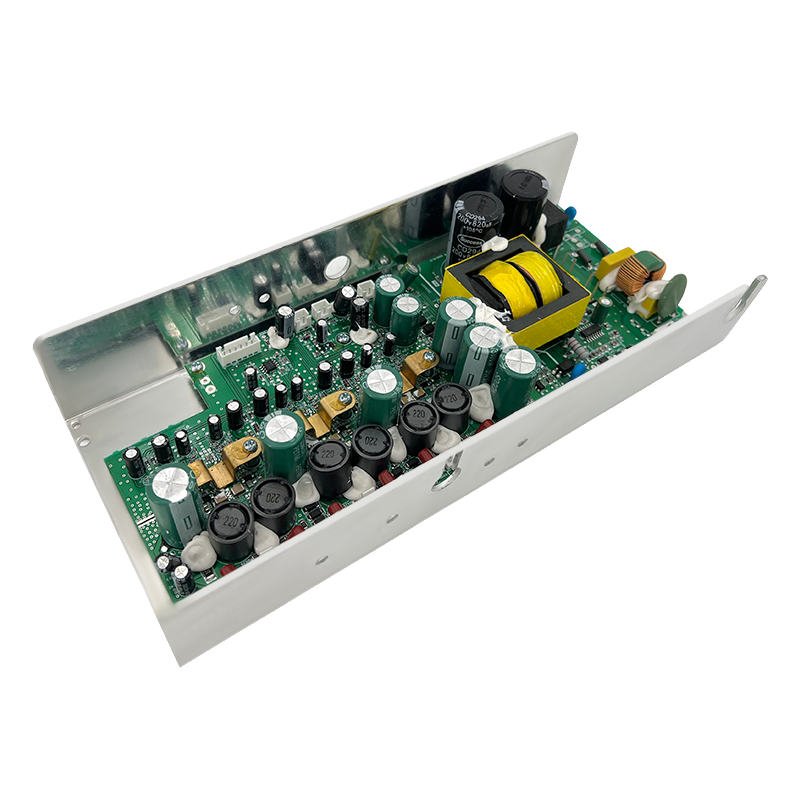
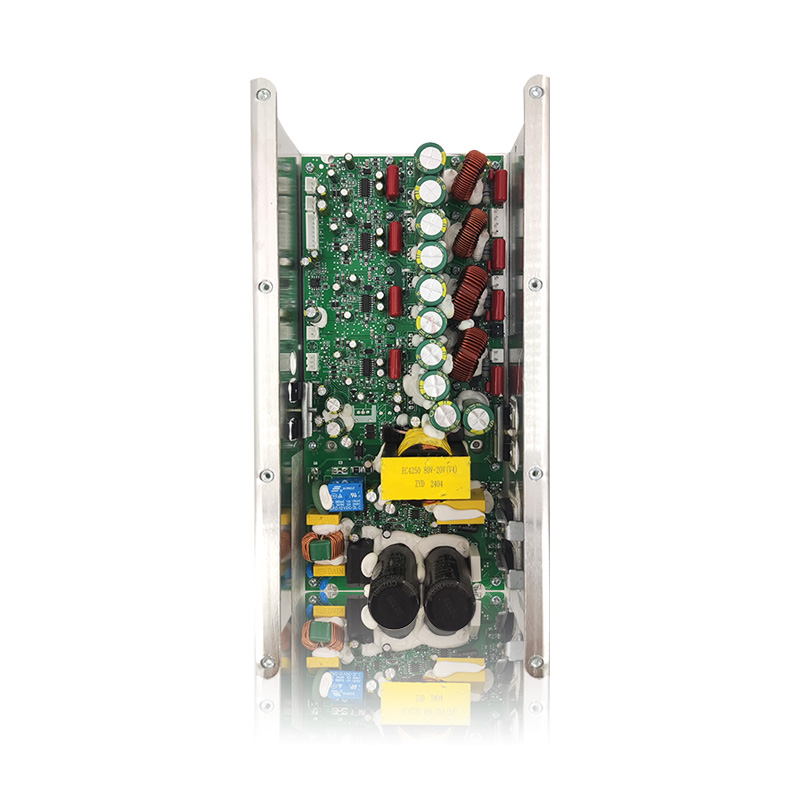
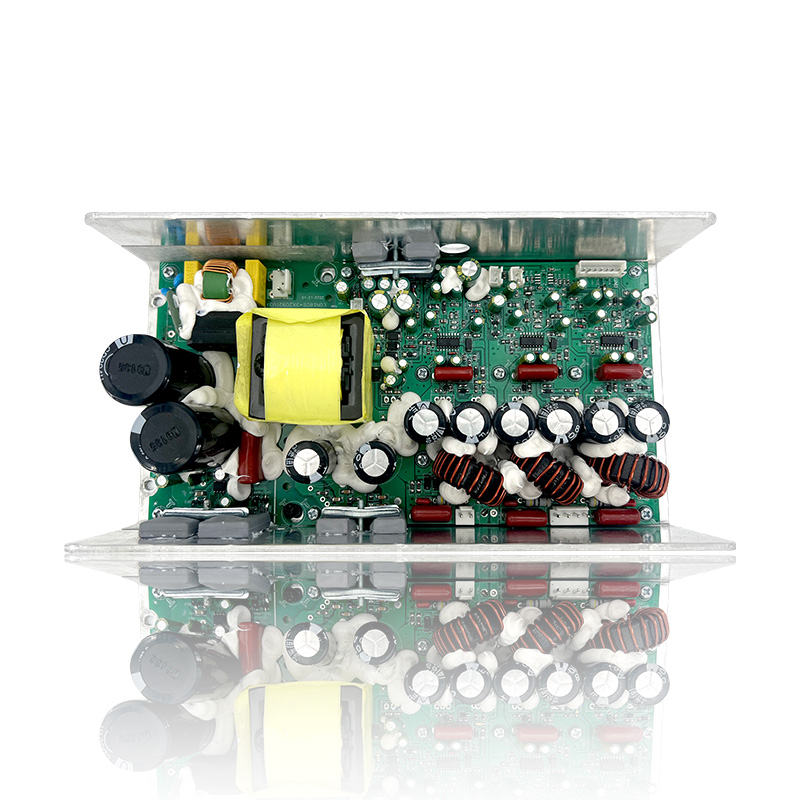
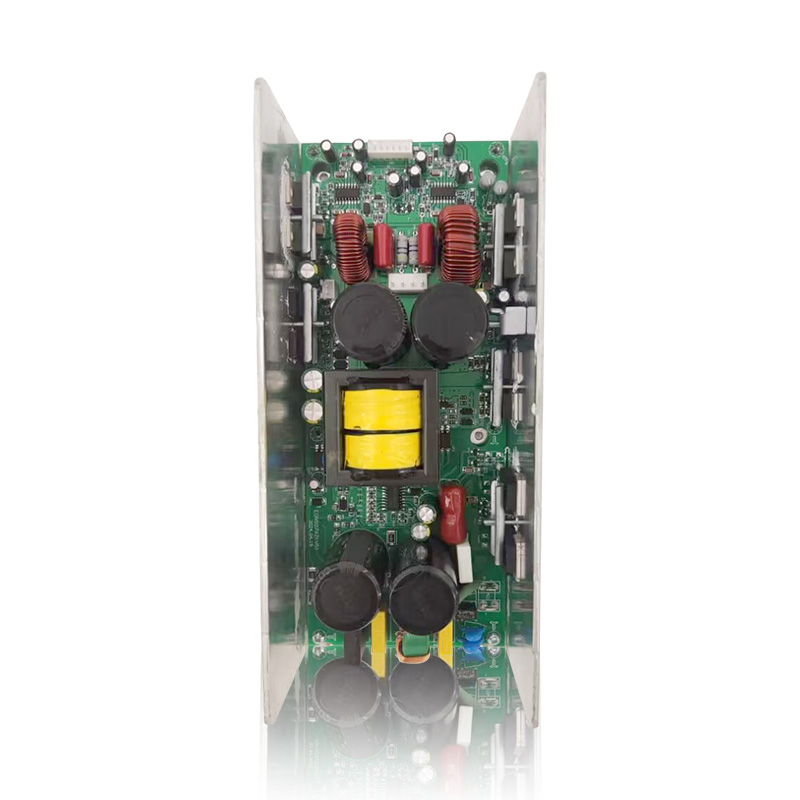
Yes — Class H amplifiers are well-suited for professional sound systems, and in many live sound, touring, and installation scenarios they represent the most practical combination of audio performance, thermal efficiency, and reliability. A Class H Loudspeaker Amplifier dynamically scales its power supply rail voltage to track the audio signal, delivering the sonic quality of a Class AB stage while consuming significantly less power and generating less heat. For system engineers who need to run amplifiers continuously at high output levels, Class H is a technically sound and operationally practical choice.
Content
- 1 What Is Class H Amplifier Technology?
- 2 Efficiency Advantage: Class H vs Other Amplifier Classes
- 3 Audio Quality: Is Class H a Low Distortion Power Amplifier?
- 4 Why Professional Sound System Amplifiers Rely on Class H
- 5 Core Specifications to Evaluate in a Class H Loudspeaker Amplifier
- 6 Typical Application Scenarios for Class H Amplifiers
- 7 About Ningbo Zhenhai Huage Electronics Co., Ltd.
- 8 Frequently Asked Questions
What Is Class H Amplifier Technology?
Class H is an enhancement of Class AB amplifier topology. In a Class AB design, the output transistors are always supplied by a fixed, high-voltage rail — even when the audio signal is small and only a fraction of that voltage is needed. This mismatch wastes energy as heat. Class H solves this by using a rail-switching or rail-tracking power supply that adjusts its voltage dynamically in response to the instantaneous signal level.
How Rail Switching Works
- Low-signal mode: The amplifier operates on a lower supply rail (e.g., ±30V), consuming minimal power for quiet or moderate passages.
- Peak-signal mode: When the signal envelope demands more headroom, a higher rail (e.g., ±80V) is engaged — seamlessly and without audible switching artifacts.
- Multi-rail variants: Advanced designs implement three or more voltage levels for even finer tracking of the signal envelope, further reducing average dissipation.
Because music and speech have a high peak-to-average ratio (crest factor of 10–20 dB), the amplifier spends most of its operating time at the lower rail, resulting in substantially lower average power draw and heat generation compared to a fixed-rail Class AB design of the same rated power.
Efficiency Advantage: Class H vs Other Amplifier Classes
Efficiency is one of the defining reasons why the High Efficiency Audio Power Amplifier category has embraced Class H for professional applications. The numbers below reflect typical measured efficiency at real-world operating conditions (not rated peak output):
| Amplifier Class | Typical Efficiency (Music Signal) | THD+N | Heat Generation | Typical Use |
|---|---|---|---|---|
| Class A | 10–30% | Very Low | Very High | Studio monitoring, hi-fi |
| Class AB | 35–55% | Low | High | General pro audio |
| Class H | 60–75% | Low | Moderate | Live sound, touring, install |
| Class D | 80–92% | Moderate | Low | Portable, powered speakers |
Typical Efficiency by Amplifier Class — Real Music Signal (%)
Class A
~22%
Class AB
~47%
Class H
~68%
Class D
~87%
Class H delivers a strong balance of efficiency and audio fidelity — outperforming Class AB while maintaining lower distortion than Class D in many implementations.
Audio Quality: Is Class H a Low Distortion Power Amplifier?
One of the most important questions for professional audio engineers is whether the efficiency gains of Class H come at the expense of audio transparency. The answer, when the design is well-executed, is no. A properly designed Low Distortion Power Amplifier using Class H topology can achieve THD+N figures below 0.05% at rated power, and below 0.01% at mid-power levels — performance comparable to high-quality Class AB amplifiers.
Several design factors determine whether distortion remains controlled during rail transitions:
- Transition timing accuracy: The rail switch must anticipate the signal peak with sufficient lead time (typically 1–2 ms predictive look-ahead) to avoid supply undershoot during fast transients.
- Negative feedback depth: High open-loop gain combined with adequate global negative feedback corrects any residual switching artifacts before they reach the output.
- Output stage biasing: The AB output stage bias must remain stable across rail transitions to prevent crossover distortion spikes at the switch point.
- Power supply decoupling: Adequate capacitor banks on each rail prevent momentary voltage droop during peak demand, which would otherwise manifest as clipping or soft saturation.
Typical THD+N vs. Output Power Level — Class H Amplifier
THD+N is highest at very low output (relative to rated power) and near clipping. Mid-power operation — where Class H operates most of the time — delivers the lowest distortion.
Why Professional Sound System Amplifiers Rely on Class H
In the context of a Professional Sound System Amplifier, the practical advantages of Class H extend well beyond laboratory efficiency figures. System integrators and touring engineers value Class H for a set of operational reasons directly tied to real-world deployment:
Thermal Management and Equipment Density
In a densely loaded rack with multiple amplifier channels, heat accumulation is a primary cause of thermal throttling and premature component failure. A Class H amplifier running at 68% efficiency under music program dissipates 30–40% less heat than an equivalent Class AB unit at the same average output. This allows higher channel counts per rack, reduces cooling infrastructure requirements, and extends mean time between failures (MTBF).
Power Draw and Generator Sizing
For outdoor events and touring applications relying on generator power, every kilowatt of saved draw translates directly to generator size, fuel consumption, and operating logistics. A 4-channel Class H rack delivering 4 × 1,500W output may draw only 4–5 kW from the mains under typical music program, versus 8–10 kW for a comparable Class AB system — enabling smaller generator specifications and lower fuel costs per event.
Signal Fidelity Under Demanding Conditions
Unlike Class D, which uses pulse-width modulation and requires output filters that can interact with loudspeaker impedance, Class H maintains a linear analog output path. This means no switching noise, no filter-induced frequency response variations with load impedance, and consistent damping factor performance across the audio band — a meaningful advantage when driving complex multi-driver loudspeaker systems.
Core Specifications to Evaluate in a Class H Loudspeaker Amplifier
When specifying a Class H Loudspeaker Amplifier for a professional installation or touring rig, the following parameters are critical to evaluate:
| Specification | Recommended Target | Why It Matters |
|---|---|---|
| THD+N at 1 kHz, 1W/8Ω | < 0.05% | Baseline distortion floor under low-signal conditions |
| Signal-to-Noise Ratio | > 105 dB | Critical for quiet passages and speech intelligibility |
| Damping Factor (8Ω) | > 200 | Controls loudspeaker cone behavior, tightens bass |
| Frequency Response | 20 Hz – 20 kHz ±0.5 dB | Full audio band flatness ensures predictable system EQ |
| Slew Rate | > 30 V/µs | Handles fast transients without TIM distortion |
| Efficiency (music signal) | 60–75% | Determines heat output and power consumption in use |
| Protection Systems | DC, thermal, short-circuit, inrush | Protects both amplifier and loudspeakers under fault conditions |
Typical Application Scenarios for Class H Amplifiers
The characteristics of Class H make it a natural fit for a broad range of professional audio deployment contexts:
- Live concert and touring systems: High output, low heat, and resistance to varying mains supply conditions make Class H ideal for main PA and monitor amplifier racks.
- Fixed installation (houses of worship, theatres, convention halls): Long daily operating hours demand energy efficiency and reliability — both strengths of Class H topology.
- Broadcast and studio monitoring: Low distortion and flat frequency response meet the transparency requirements of critical listening environments.
- DJ and club audio systems: Sustained high-level playback benefits from the thermal headroom Class H provides compared to Class AB.
- Subwoofer amplification: High continuous power delivery with controlled distortion is essential for low-frequency transducer performance — Class H handles this well due to its full linear output stage.
About Ningbo Zhenhai Huage Electronics Co., Ltd.
Ningbo Zhenhai Huage Electronics Co., Ltd. is a professional audio enterprise integrating research and development, production, and sales. We are a professional Class H Loudspeaker Amplifier Manufacturer and Factory, with many years of focused experience in the production of sound mixers, active power amplifiers, microphones, and related electronic components and equipment.
We specialize in custom Class H Loudspeaker Amplifiers and related products. Over the years, the company has adhered to the business policy of good products, good service, and good reputation, establishing long-term and stable cooperative relationships with many companies at home and abroad, and providing OEM services for many well-known audio brands over the long term.
Our company has professional design, production, and testing teams capable of customizing products according to customer specifications. Customers from all industries are welcome to visit, provide guidance, and discuss business cooperation.