English
 Español
 中文简体
中文简体
Content
1. Efficiency and Heat Issues
This is the most obvious characteristic of a Class AB loudspeaker amplifier and the issue that requires the most attention.
Problem Symptoms: Constantly high heat, with the case noticeably hot even when no music is playing or the volume is low. The cooling fan (if equipped) activates frequently.
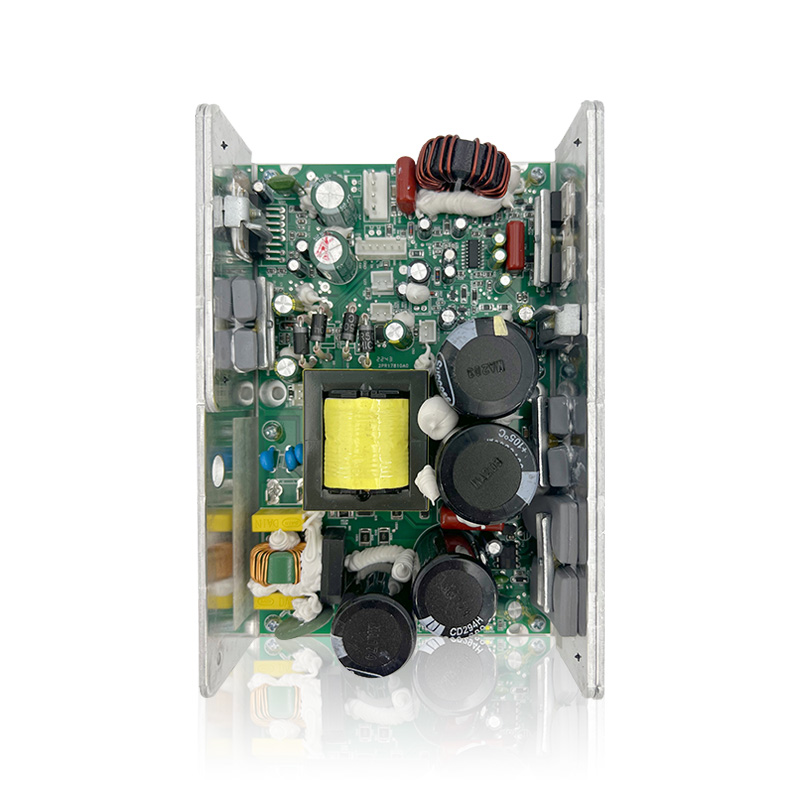
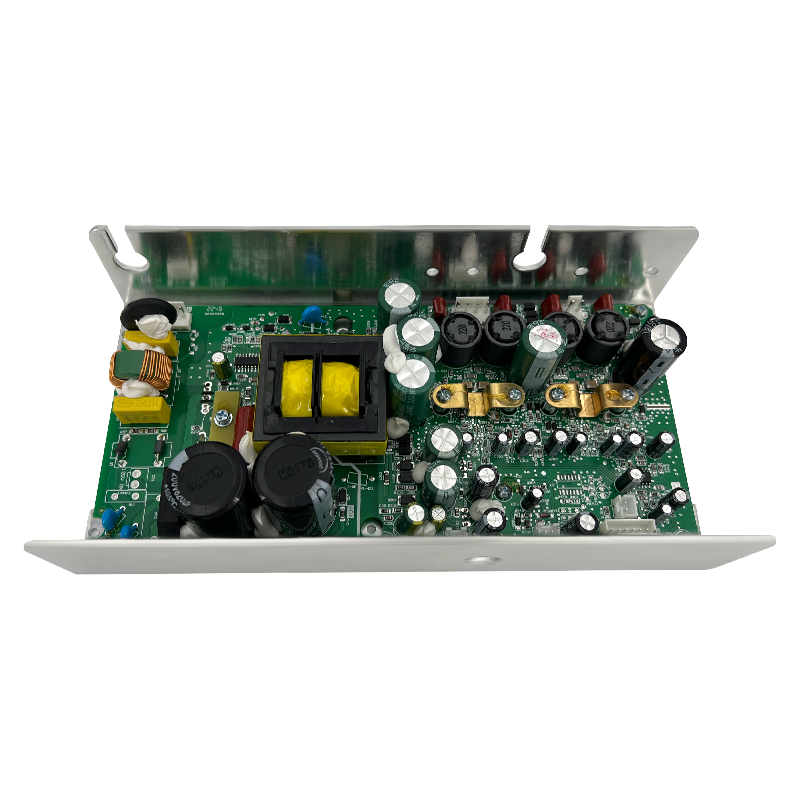
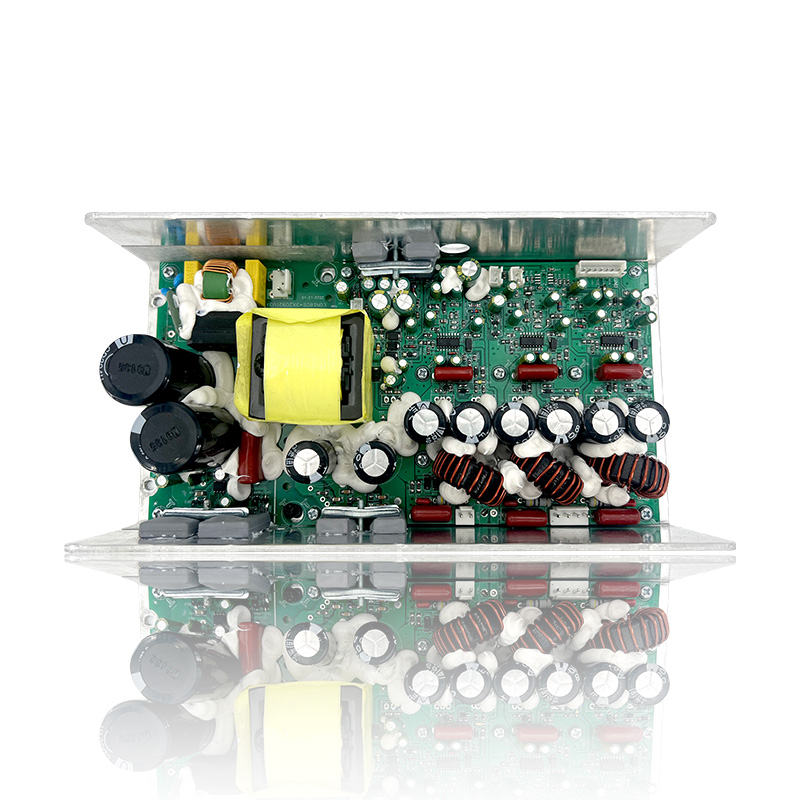
Root Cause: The operating principle of a Class AB amplifier dictates that it has a certain quiescent operating current. This means that even without an input signal, the output stage transistors remain in a slightly conductive state, continuously consuming energy and converting it into heat. This is in stark contrast to the highly efficient and cool Class D amplifier.
Impact and Solution: Overheating accelerates component aging and may even cause the thermal protection circuit to activate, causing the amplifier to automatically shut down. Ensure the amplifier is placed in a well-ventilated location with ample space around it, and regularly clean dust from the heat sink.
2. Crossover Distortion
Problem Symptoms: Class AB speaker amplifiers can sound hoarse, harsh, and unclear at low volumes, especially when playing delicate material such as vocals or string instruments. This distortion may diminish or disappear when the volume is turned up.
Root Cause: Distortion stems from the inherent "dead zone" problem of Class B amplification, where the two transistors responsible for amplifying the positive and negative half-cycles of the signal don't perfectly align when switching between them. Class AB amplifiers overcome this problem by applying a small bias voltage to slightly turn them on. However, if this bias voltage becomes too low or disappears due to circuit aging, temperature fluctuations, or improper adjustment, crossover distortion will occur.
Impact and Solution: This can severely affect sound quality with small signals. This typically requires professional technicians to use an oscilloscope to inspect and adjust the bias voltage to correct the problem.
3. Component Aging and Drift
As amplifiers age, their internal components degrade.
Symptoms: The sound gradually changes, potentially manifesting as a decrease in sound quality, increased noise floor, or a reduction in volume on one channel.
Root Cause:
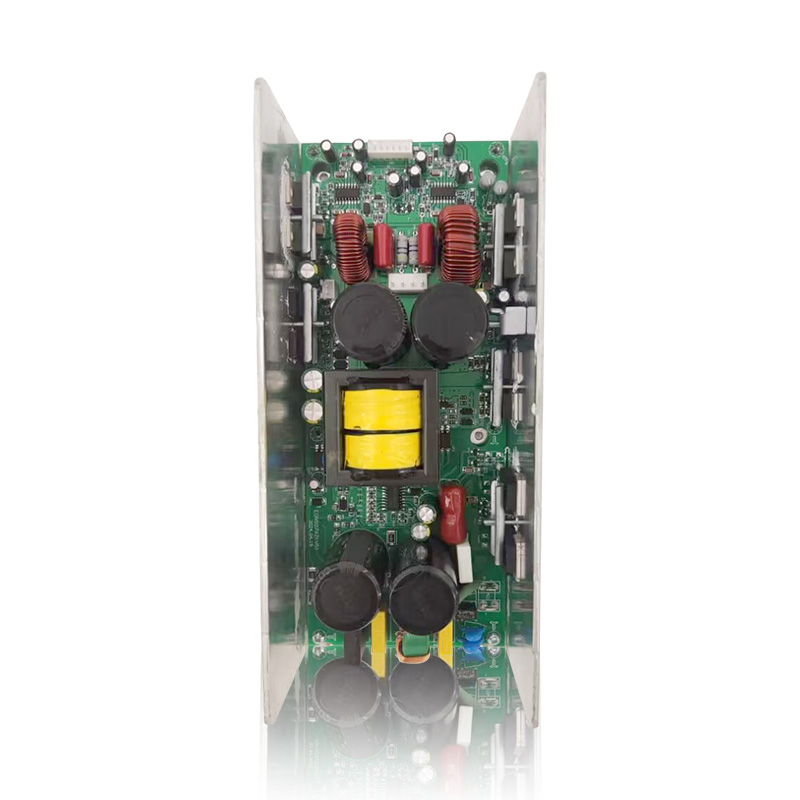
Drying out/failed electrolytic capacitors: This is the most common aging problem. Failed power supply filter capacitors can cause hum; failed coupling capacitors can cause muffled or distorted sound; and failed decoupling capacitors can cause low-frequency oscillation. Resistor Value Change: Resistors with high power consumption, in particular, may experience changes in resistance after prolonged exposure to heat, affecting the circuit's operating point.
Transistor/IC Performance Degradation: The performance parameters of an amplifier's core components slowly change over time.
Impact and Treatment: Sound quality gradually deteriorates. For older amplifiers, having a professional replace all key electrolytic capacitors (commonly known as "burning in") can often restore the sound to its original state.
4. Noise Issues
Amplifier output noise primarily includes:
AC Hum:
Symptom: A low, continuous "hum" (50Hz or 60Hz).
Cause: Usually a problem with the power supply, such as a failed filter capacitor, a faulty rectifier bridge, or ground loop interference from the input signal line.
Hiss:
Symptom: A high-frequency "hissing" sound, similar to the background noise of a radio tuning.
Cause: Usually originates from thermal noise in the preamplifier circuit's resistors or transistors. This is inherent, but if the noise is excessively loud, it may indicate poor quality preamplifier components or an abnormal operating point.
Clicking/Popping Noise:
Symptoms: Irregular "clicking" or "cracking" sounds.
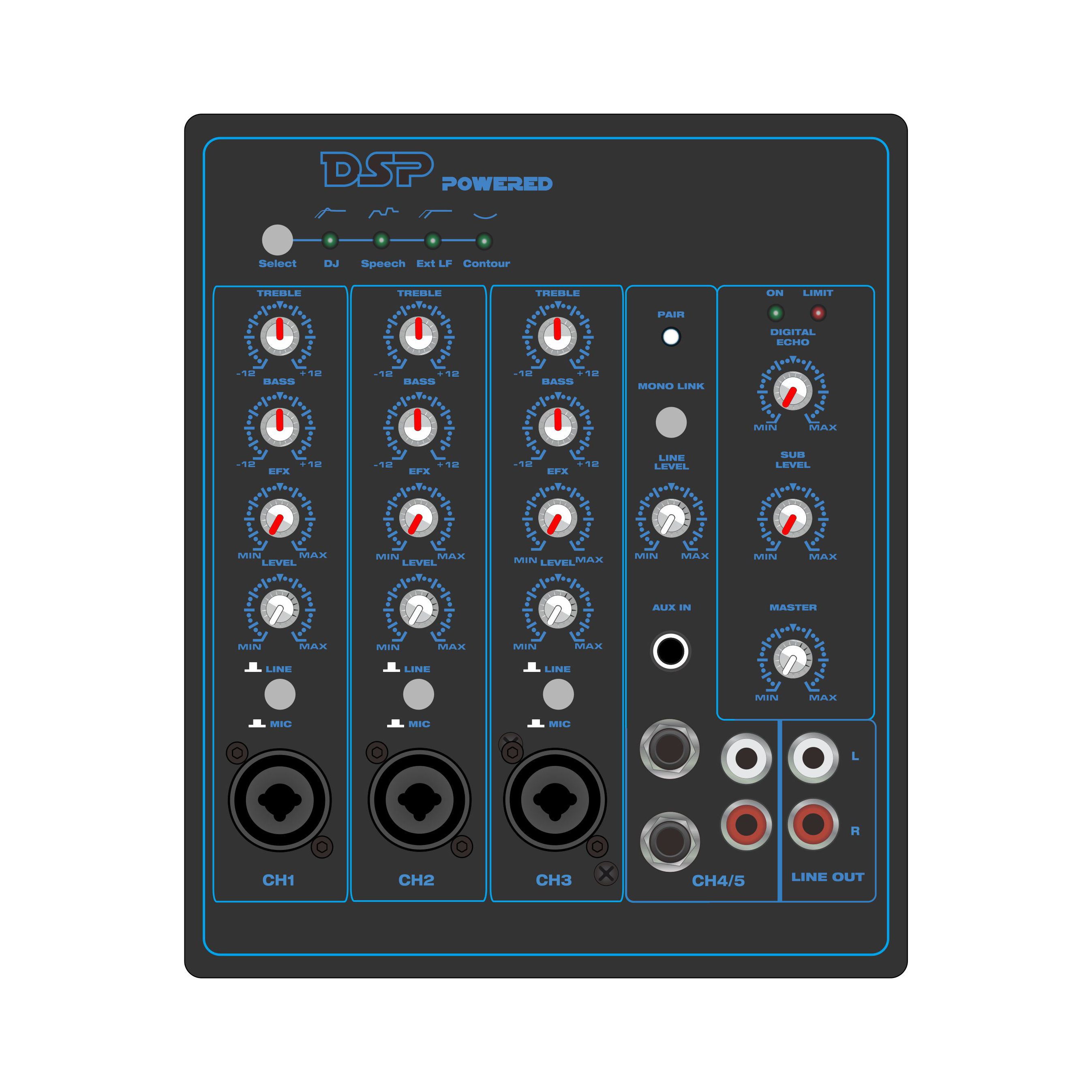
Cause: The most common cause is oxidation or dust accumulation inside the potentiometer (volume or tone knob), leading to poor contact. Poor solder joints or internal component contact may also be the cause.
5. Protection Circuit Faults
Modern amplifiers have comprehensive built-in protection circuits, but these circuits themselves can also be a problem.
Symptoms: The amplifier frequently shuts down (overheating protection); remains in protection mode after powering on, and the relay does not engage (no sound output).
Causes:
Output DC offset: Unintended DC voltage is generated at the amplifier's output, which is extremely dangerous and can burn out expensive speaker coils. Upon detecting this, the protection circuit immediately disconnects the speaker.
Overload/Short Circuit: Short circuits caused by incorrect or damaged speaker wiring, or low impedance, can trigger overcurrent protection.
Protection Circuit Fault: Damage to the protection circuit's detection element or relay.